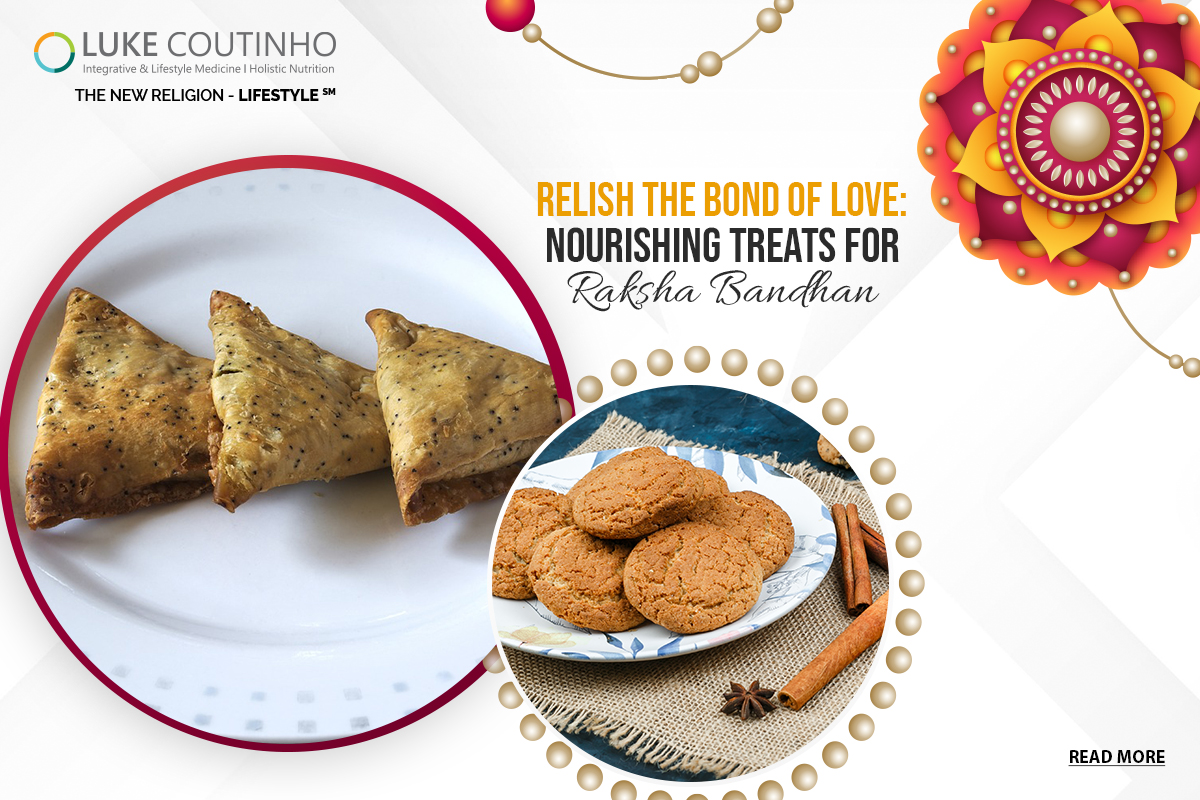
Ingredients
Method
For the samosa dough:
- Combine khapli flour, A2 ghee, and a pinch of salt in a mixing bowl.
- Mix well until the flour resembles breadcrumbs.
- Gradually add water and knead the mixture into a smooth, firm dough.
- Cover the dough and let it rest for about 15-20 minutes.
For the samosa filling:
- Heat cold-pressed coconut oil in a pan over medium heat.
- Add cumin seeds and let them splutter.
- Add grated ginger and green chili.
- Add the mixed vegetables and cook until they are slightly tender.
- Stir in turmeric powder, ground coriander, garam masala, and salt. Mix well and cook for a few more minutes until the vegetables are fully cooked and the spices are well combined.
To assemble and bake the samosas:
- Preheat your oven to 375°F (190°C).
- Divide the rested dough into small balls and roll each ball into a thin oval or circle.
- Cut each rolled dough in half to form two semi-circles.
- Take a semicircle, fold it into a cone shape, and seal the edge using water.
- Fill the cone with the prepared vegetable filling.
- Seal the open edge of the cone to form a triangle-shaped samosa.
- Repeat the process with the remaining dough and filling to make more samosas.
- Place the assembled samosas on a baking tray lined with parchment paper.
- Lightly brush the samosas with a few drops of A2 ghee.
- Bake the samosas in the preheated oven for about 25 minutes until they turn golden brown and crispy.
Power Tips and Variations:
- A few variations for filling can be A2 paneer and spinach, mushroom, chickpeas filling, lentils and vegetables, and those who are non-vegetarians can opt for minced chicken and eggs too.
Notes
- Baked samosas can indeed be a nutritious snack due to their balanced combination of protein, fiber, and carbohydrates.
- This unique blend not only provides sustained energy but also aids in easier digestion.