
Most people know honey as a sweetener, but very few stop to ask what does honey contain, and that question opens the door to understanding why this golden liquid has been revered across cultures as far more than just food.
Raw, unprocessed honey is a complex natural substance made by bees from the nectar of flowers. It contains over 200 biologically active compounds, and each drop is far more than just glucose or fructose.
What Does Honey Contain?
Honey is one of nature’s most intelligently formulated whole foods. But what makes it truly fascinating is not just its sweetness, it’s the complex biochemistry behind that golden spoonful. The nutritional richness of honey varies based on the floral sources bees visit. For example, wild forest honey and multifloral varieties are generally higher in antioxidants and minerals compared to processed commercial options.
While modern food science continues to isolate nutrients in pills and powders, honey remains one of those rare foods where the whole is greater than the sum of its parts. And here’s why:
- Carbohydrates: Raw honey is composed of approximately 70–80% natural sugars, primarily fructose and glucose, but in a balance that allows for slow, sustained energy release, unlike refined sugar, which hits the bloodstream like a spike.
- Enzymes: Raw, unprocessed honey contains enzymes such as glucose oxidase, catalase, invertase, and diastase, which not only assist in digestion but also contribute to the microbial-balancing properties of honey. These enzymes are added by bees during the honey-making process and are destroyed when honey is heavily processed. That’s why raw honey is more than just sweet, it’s active.
- Amino Acids: Honey contains up to 18 amino acids, including proline, which plays a role in tissue regeneration, immune modulation, and cellular repair. Even in trace amounts, these amino acids enhance honey’s bioactivity.
- Vitamins and Minerals: Honey provides trace levels of key B vitamins (B1, B2, B3, B5, B6) and Vitamin C, all of which are essential for metabolic function, immunity, and cognitive health.
Its mineral content includes:
- Potassium – Supports heart and muscle function
- Calcium & Magnesium – Crucial for bones and nervous system balance
- Zinc, Iron & Selenium – Important for immune regulation and cellular protection
- Antioxidants: Raw honey is rich in flavonoids (like pinocembrin and kaempferol) and phenolic acids (like caffeic acid), which protect cells against oxidative stress and inflammation.
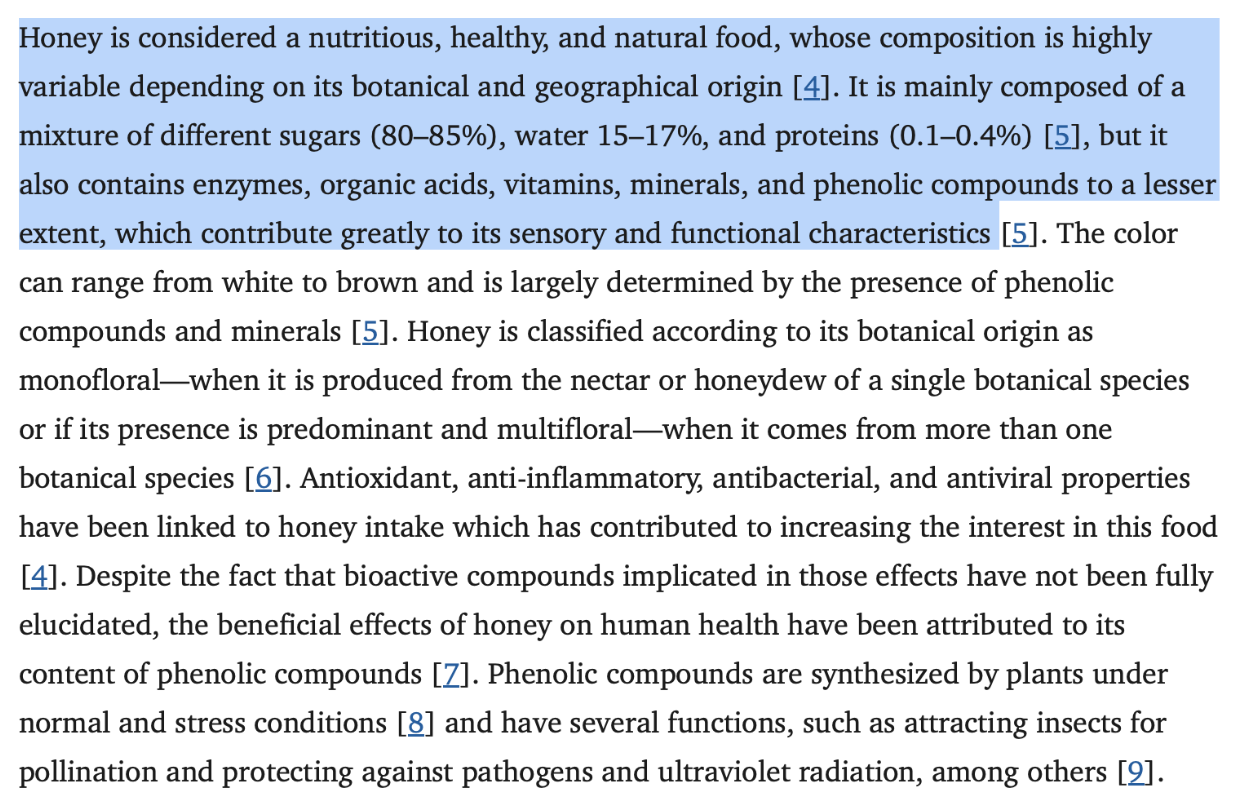
So when you ask ‘what does honey contain’, the answer is: a finely tuned blend of energy, enzymes, vitamins, minerals, antioxidants, prebiotics, and amino acids—all crafted by nature, not a lab.
Benefits of Honey in Daily Life
If the first question was, what does honey contain, the next natural question is—what does it do inside the body?
Honey isn’t just a carrier of nutrients. It’s a functional food, meaning it interacts with our biology in ways that influence how we feel, perform, sleep, and even digest.
1. Soothes the Mucous Membranes
One of honey’s most trusted uses is its ability to calm the throat and upper respiratory tract.
- When consumed, especially in a warm base like water or herbal tea, honey creates a natural protective film over mucosal linings, easing discomfort caused by inflammation, dryness, or irritation.
- This is precisely why the honey remedy for cough remains a household essential across continents.
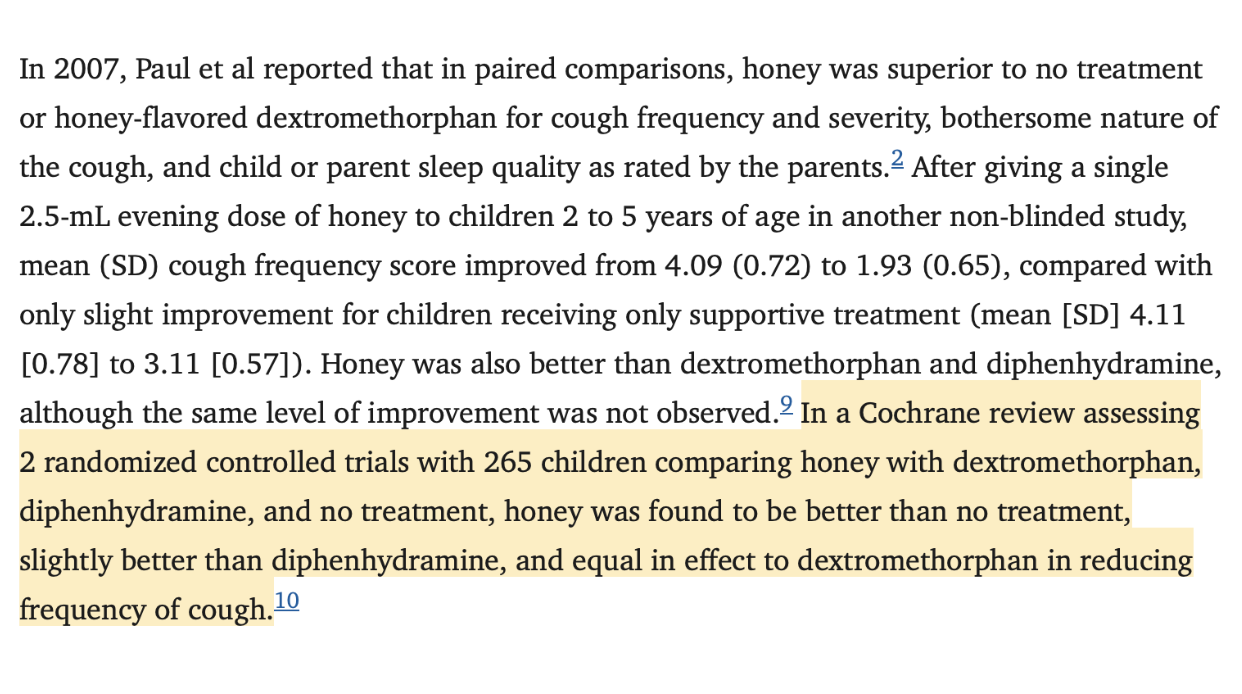
- A 2018 meta-analysis in Cochrane Database of Systematic Reviews found that honey consistently reduced the frequency and severity of nighttime coughing in both children and adults compared to placebos or OTC syrups. This isn’t just symptomatic relief. It’s a reminder that the home remedy with honey for cough remains relevant scientifically.
2. Mild Antimicrobial and Antifungal Properties
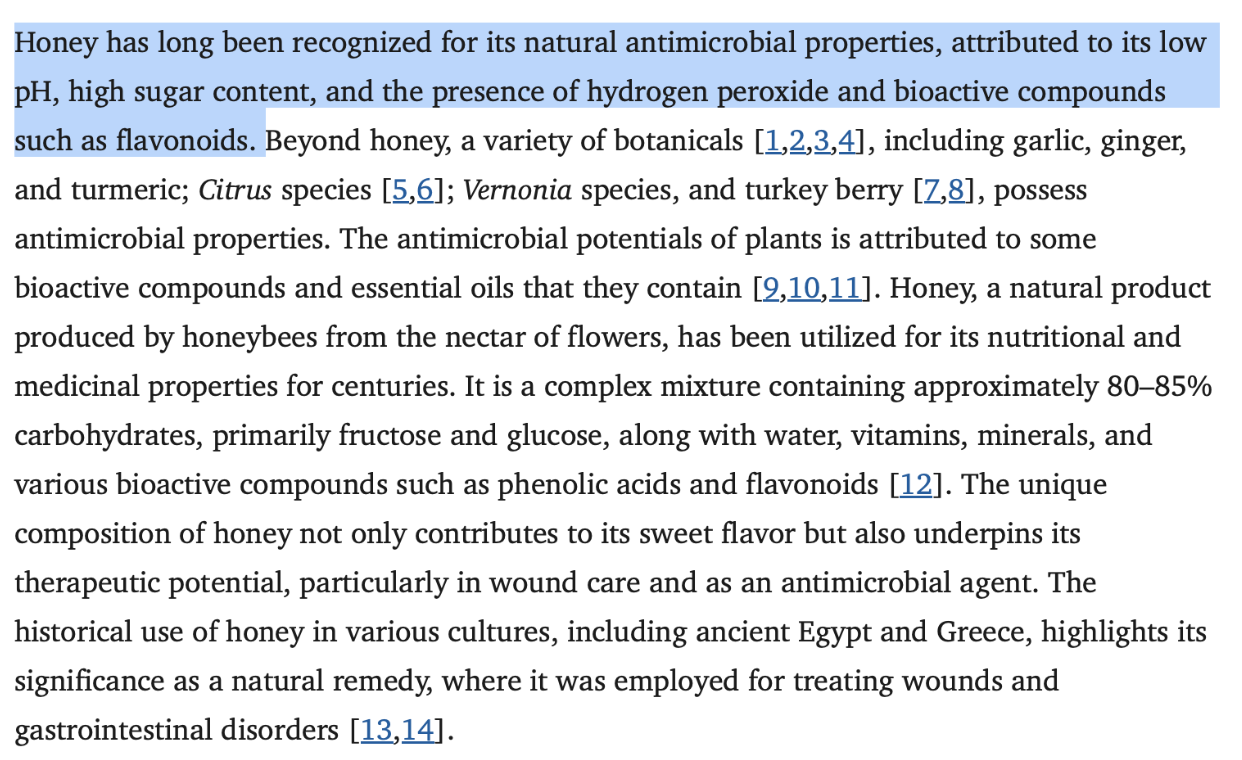
Raw honey contains hydrogen peroxide, methylglyoxal (especially in manuka honey), and a broad array of plant-derived phytochemicals. Together, these compounds give honey a gentle antimicrobial effect that supports the body’s natural defences.
- A study published in Antibiotics (2025) found that honey exhibited broad-spectrum antimicrobial activity against common respiratory and digestive pathogens, including E. coli, Streptococcus, and Candida species.
3. Sustainable Energy and Physical Stamina
Unlike refined sugar, the natural sugars in honey (primarily fructose and glucose) are paired with enzymes, antioxidants, and trace minerals, which results in more stable blood sugar release and sustained energy.
- A clinical trial in Science and Sports showed that honey could enhance endurance performance in athletes, especially when consumed before or during physical activity.
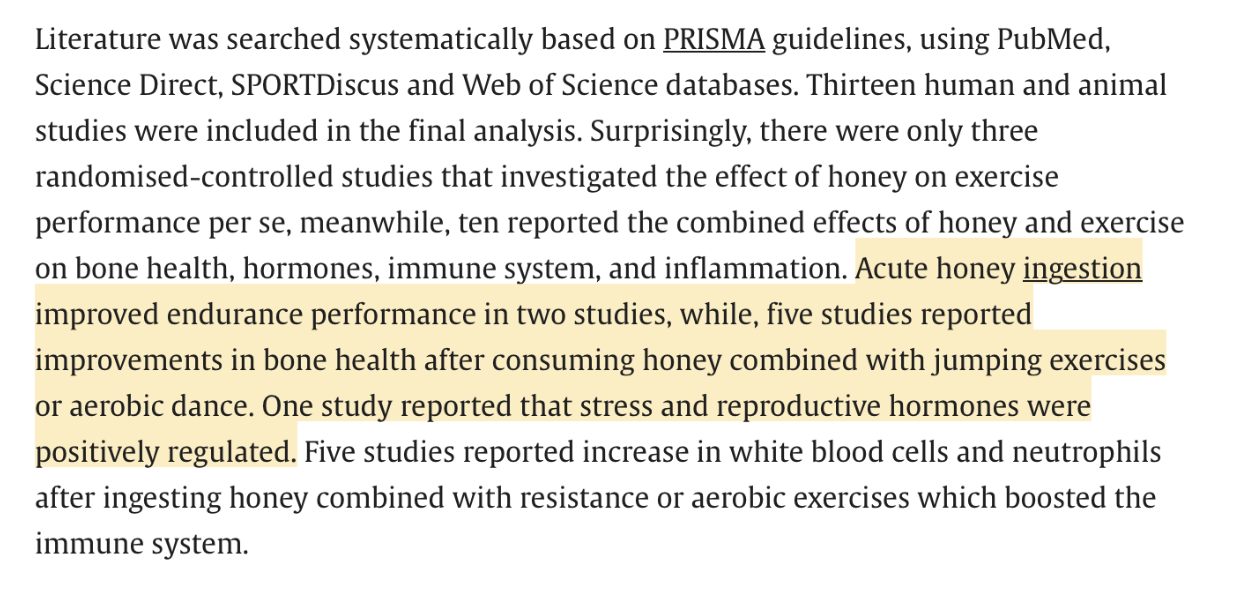
And when you understand what does honey contains, you begin to see why it performs this way. It’s not just sugar. It’s sugar delivered with intelligence.
4. Gut Health and Digestive Support
One of honey’s lesser-known but highly impactful functions is its prebiotic effect, which feeds beneficial gut bacteria like Bifidobacterium and Lactobacillus.
- A study in Food Science & Nutrition (2020) confirmed that raw honey improves gut microbial diversity, helping maintain a healthier intestinal ecosystem.
- Its mild laxative action, due to fructooligosaccharides, can also help support regularity without dependency, making it ideal for gentle digestive support, especially in children and elderly populations.
Disclaimer: Raw honey is not recommended for children under the age of one, in line with pediatric and medical guidelines, due to the risk of infant botulism.

Integrating Honey into Your Lifestyle
Now that we’ve answered what does honey contain, and explored its functional benefits, let’s talk about what really matters, how to make honey part of your life in a mindful, therapeutic way, not just as a sweetener, but as a part of your daily rituals.
Here are some simple ways to include honey in your routine:
- Start your day with warm lemon-honey water: This isn’t just a cleansing trend. When done right (with raw honey and warm, not hot water), it may support digestion, gentle cleansing, and liver function.
- Use it as a natural pre-workout booster: Just a teaspoon of honey with a pinch of sea salt offers glucose for quick energy and electrolytes for muscle function. Athletes and runners have been doing this for years.
- Build your salad dressing around it: Mix honey with apple cider vinegar, olive oil, and a touch of mustard for a vibrant, gut-friendly dressing, without reaching for bottled sauces full of additives.
- Lean on it during seasonal changes: A time-tested home remedy with honey for cough is mixing it with tulsi (holy basil), dry ginger, or even just warm water. Its mucilaginous, antimicrobial nature helps soothe the throat and ease irritation.
- Try it with seasonal kadhas: During monsoons or periods of low immunity, sip on Monsoon Kadhas, a blend of warming spices and herbs prepared the traditional way. Pair it with raw honey once the mix cools down slightly (never add honey to hot liquids) for throat comfort and immune balance.
Explore our recipe here → Rainy Elixir: Sip Your Way to Health With Monsoon Kadhas
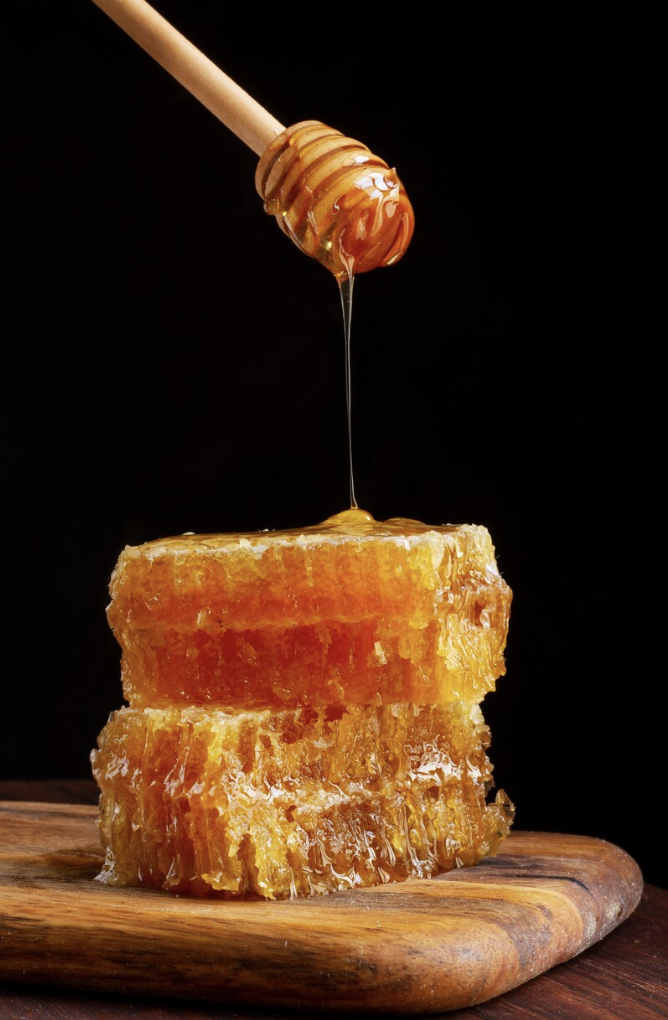
Disclaimer: Every individual is unique, and so is their response to natural foods. The ways of integrating honey suggested here are based on traditional practices and emerging scientific evidence. Please adapt them based on your own health status, lifestyle, and tolerance. If you’re living with diabetes, PCOS, or any metabolic condition, always consult a professional before adding honey to your daily routine.
Home Remedy With Honey for Cough: Tried-and-Tested Recipe
Here’s a traditional yet powerful home remedy with honey for cough that has stood the test of time:
Honey-Lemon Soothing Mix
Ingredients:
- 1 tsp raw, multifloral or wild forest honey
- 100–150 ml warm water (ensure it’s lukewarm, not hot or boiling)
- A few drops of fresh lemon juice
Method:
Gently warm the water, just enough so it feels comfortable to sip, never boiling. Add the honey and lemon juice, and stir well until the honey dissolves completely. Sip it slowly, especially before bedtime or during bouts of cough or throat irritation.
Optional Add-ins (based on body type and symptoms):
- Dry ginger powder for congestion or heaviness
- A drop of tulsi or clove for added anti-inflammatory benefits
- A small pinch of black pepper if mucus buildup is present
Sip this mixture slowly before bedtime or whenever the throat feels irritated. This simple concoction is not just a honey remedy for cough, it’s a nighttime ritual in itself.
The Night Ritual: Benefits of Eating Honey at Night
Among the most underestimated habits is eating honey before bed.
So how do you do it?
Night Honey Practice
- 1 tsp raw, unprocessed honey
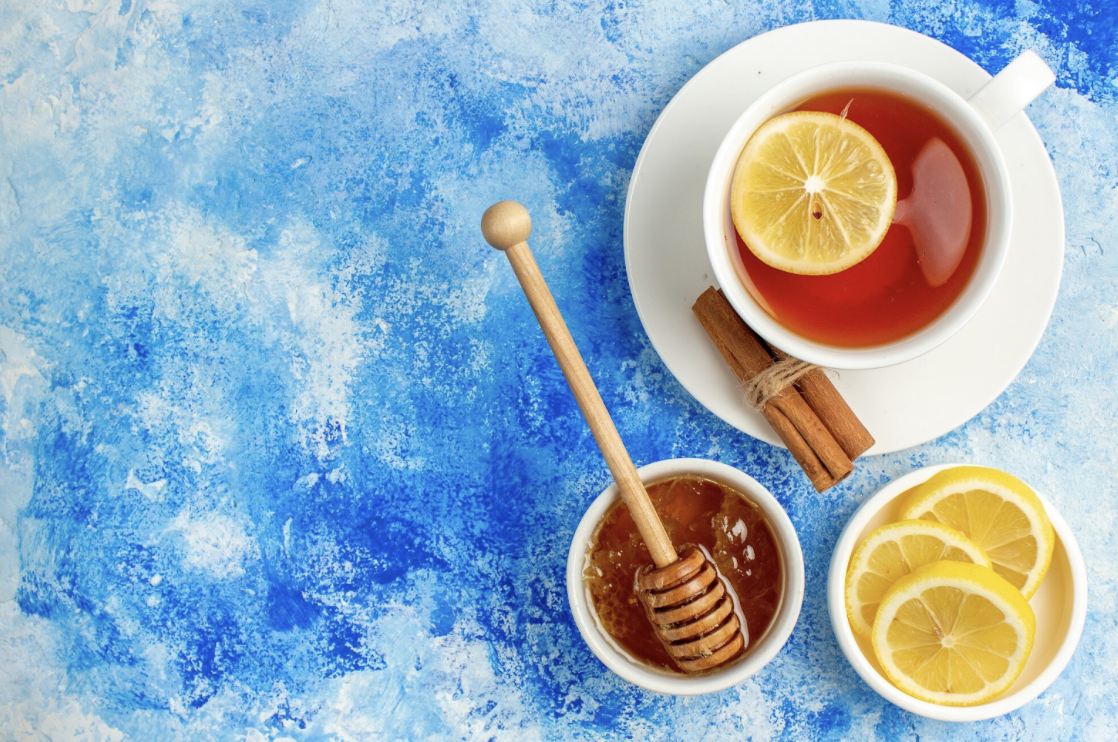
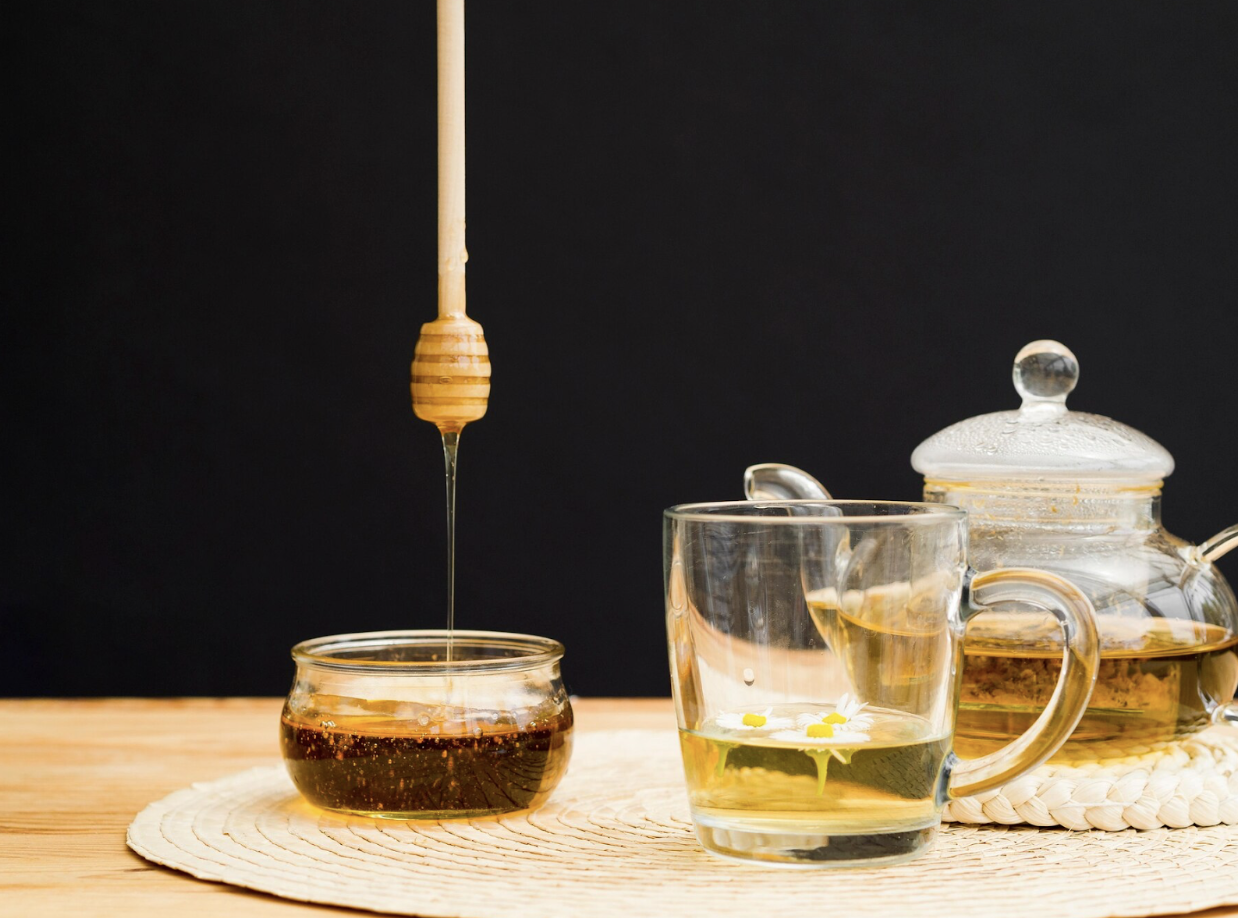
- Take it straight or mix with lukewarm herbal tea (like chamomile or cinnamon)
- Consume 30–60 minutes before bedtime
Pair it with quiet practices like journaling, deep breathing, or a gratitude meditation to anchor yourself before sleep.
Why does it work?
The benefits of eating honey at night come from its ability to gently replenish liver glycogen, reduce nocturnal cortisol spikes, and support melatonin synthesis, all of which contribute to deeper, more restorative sleep.
Disclaimer: Honey has long been used as a natural remedy for cough and throat irritation. However, always consume honey only if it suits your body. If you have pollen allergies, a sensitive gut, or any pre-existing respiratory condition, consult your healthcare provider before using honey as a home remedy for cough. It’s also not recommended for children under one year of age.
What to Look for in Honey
Here’s how you can decode your honey label and select one that retains its nutritional integrity and functional benefits:
1. Raw Multifloral Honey
- Raw multifloral honey is collected from various flowers and plant species. This diversity leads to a wider spectrum of bioactive compounds, including antioxidants like flavonoids and phenolic acids.
- Natural enzymes like glucose oxidase, minerals such as magnesium and potassium, and trace vitamins from the B-complex group.
2. Stingless Bee Honey (Meliponini)
- This honey, produced by stingless bees, is thinner in consistency but exponentially richer in polyphenols, peptides, and antimicrobial peptides.
- Its bioactive compounds show remarkable efficacy in suppressing respiratory pathogens, which makes it one of the most powerful natural choices for anyone seeking a home remedy with honey for cough or sore throat.
3. Wild Forest Honey
- Harvested from bees foraging in dense forest regions, this honey is often darker and more mineral-rich due to the floral biodiversity and minimal human interference.
- Traditionally used as a honey remedy for cough, especially in Ayurvedic and Siddha systems of medicine. Its slightly astringent taste and robust phytochemical profile make it ideal for kapha imbalances and phlegmatic conditions.
A quick guide to help you align your honey choice with your health goals:
| Type of Honey | Ideal For | Why |
| Raw Multifloral | Daily immune support, antioxidant support | Diverse plant origin enhances nutritional variety |
| Stingless Bee Honey | Cough, sore throat, gut repair | Rich in antimicrobial peptides and phenolics |
| Wild Forest Honey | Chronic inflammation, phlegm, low immunity | Darker, more mineral-dense, traditional use |
Whether you’re using it as a honey remedy for cough, integrating it into your nighttime routine to explore the benefits of eating honey at night, or simply choosing it over refined sugar for your tea, remember: the quality of honey decides its function.
A Word on Caution: When Honey May Not Be the Right Choice
While honey is a nourishing and functional food for most people, there are specific scenarios where it’s best to pause or be cautious, like:
- Infants under 1 year: One of the few absolute contraindications for honey is in infants. The digestive and immune systems of babies are still developing, and they may not be able to handle the spores of Clostridium botulinum, which can sometimes be present in raw honey. This can lead to infant botulism, a rare but serious condition. So, no honey for babies under one year of age, no matter how pure it is.
- For those living with diabetes: Yes, honey is natural, but it’s still a form of sugar. While raw honey has a lower glycemic impact compared to refined sugar and offers additional nutrients, it should still be used with intention and moderation. Pairing it with a source of fiber, protein, or healthy fat can help reduce blood sugar spikes. For example, adding a drizzle of honey over chia pudding or blending it into a smoothie with nuts and seeds works better than consuming it alone.
- Don’t mix honey with boiling water: This is a common mistake many people make, especially in morning routines. Extremely hot water (above 40–45°C) can denature the active enzymes in honey, such as glucose oxidase, which are responsible for many of its therapeutic properties. So if you’re making a warm lemon-honey drink or herbal tea with honey, wait for the liquid to cool a bit before adding the honey.
Final Word: Sweet Wisdom
Honey is one of those rare foods that bridge the gap between nourishment and functionality. From being a honey remedy for cough during monsoon to a nighttime ritual for deeper rest, its uses go far beyond culinary.
And what makes it truly special is this: it’s not about adding something new to your routine. It’s about reviving something ancient, using it with the same intention and mindfulness that our ancestors once did.
So the next time you swirl a spoonful of honey into your tea, take a breath. You’re not just sweetening your drink. You’re tapping into nature’s intelligence.
ALSO WATCH
Disclaimer: This blog is intended for informational and educational purposes only. It does not replace medical advice, diagnosis, or treatment from a qualified health professional. Always listen to your body and consult with your doctor, nutritionist, or healthcare provider before making any changes to your health routine, especially when using functional foods like honey.
Each person’s path to better health is unique.
With Luke’s Wellness Program, you receive personalized guidance, expert insights, and customized plans designed to support your specific goals, making lasting wellness more achievable than ever.
Take the first step today and see how simple, consistent lifestyle changes can create a meaningful impact.
Book a one-on-one consultation with our specialists by calling 1800 102 0253 or email us at [email protected].

Start Your Wellness Journey
Feeling inspired to take the next step in your wellness journey? Connect with us to explore how our tailored programs can support your health journey. Your transformation is just a conversation away.