
When I think of the wisdom passed down by our grandmothers and traditional kitchens, one thing stands out clearly: they always knew what to cook, when. In the scorching summer, they gave us aam panna and buttermilk. In winter, they made warm methi ladoos and steaming saag. And there was a reason for it—far deeper than taste or tradition.
Seasonal eating is not new. It’s rooted in Ayurveda, ancient healing systems, and generations of Indian households that relied on local, fresh, and timely produce. It was about living in sync with nature’s rhythm—listening to the body, observing the environment, and adapting food choices accordingly.
But somewhere along the way, we lost this rhythm. Walk into a supermarket today, and you’ll find apples in summer, strawberries in monsoon, and exotic blueberries flown in from miles away—every fruit, every vegetable, available 365 days a year. Sounds convenient, but here’s the catch: eating out of season may look fancy, but it often costs us our digestion, immunity, and even peace of mind.
In my practice, I’ve seen firsthand the benefits of seasonal food—not just on gut health, but on energy levels, skin, mood, and even hormonal balance. And the best part? It’s not complicated. It’s not about restrictive diets or superfoods. It’s about coming back to what your land, your climate, and your body are naturally asking for.
Let’s rediscover the beauty and power of eating what’s in season—and why this simple shift might be one of the most healing choices you make.
Why Seasonal Eating Still Matters
Do you remember a time—maybe when we were kids—when food wasn’t just available, it arrived with the season?
There was no 10-minute delivery, no online ordering at midnight, and definitely no round-the-clock access to every fruit or vegetable imaginable. And you know what? We were healthier for it.
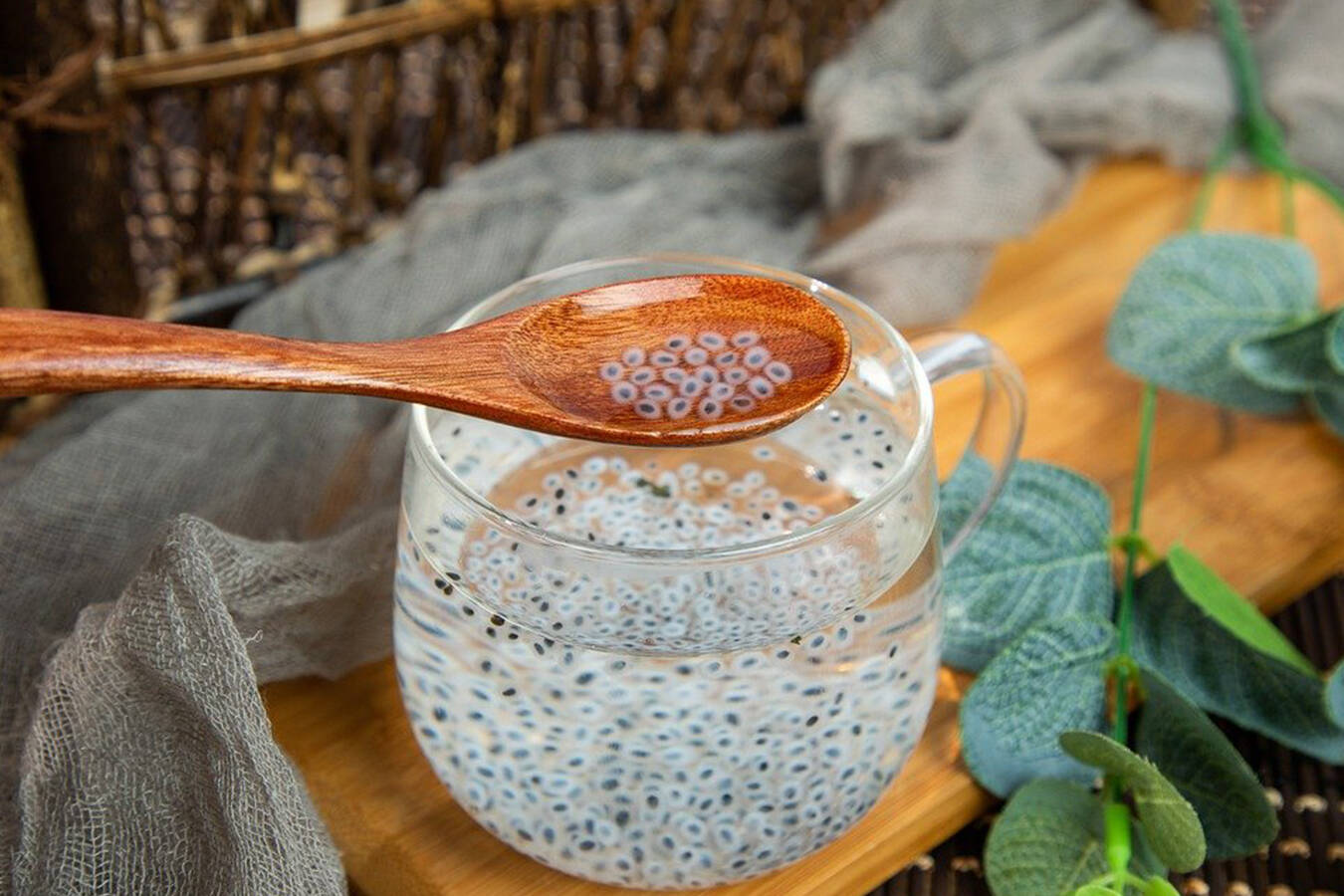
In the monsoon, our parents automatically said no to street food—not out of paranoia, but because they knew the risk of water contamination and poor hygiene. We avoided raw leafy greens, ate home-cooked meals, and didn’t dare touch that tempting roadside pani puri. In summer, the kitchen turned into a haven of cooling foods—aam panna, chaas, sabja (basil) seeds, cucumber salads, lassi, and of course, slices of watermelon fresh from the fridge.
Winters? That meant sarson ka saag, makki ki roti, eggplant bharta, stews, soups, and panjiri filled with nuts, ghee, and gondh. There was no Google search or meal plan. Our grandparents just knew what our bodies needed—because they followed nature’s cues, not food trends.
Today, with better accessibility, we have more choices—but we’ve also forgotten our roots. And with that, we’ve lost touch with how seasonal foods are intuitively designed to meet our body’s needs at the right time.
Let’s bring that back.
Seasonal eating is nature’s built-in nutrition plan.
From an Ayurvedic perspective, our internal energies—vata, pitta, and kapha—shift with the seasons. Nature provides ingredients that help balance those changes. For instance, cooling herbs and hydrating fruits dominate in summer to soothe excess heat (pitta), while root vegetables and warming spices in winter stabilize vata and strengthen immunity.
Modern science backs this too. Research shows that foods harvested in season often contain higher nutrient content—vitamin C in citrus fruits during winter, or the antioxidant lycopene in summer watermelon. They’re also easier to digest, reduce inflammation, and even support mental clarity.
And let’s not forget the local and environmental logic. Foods that grow naturally in your region during a season are what your gut microbiome is most adapted to. They’re also more sustainable—less need for cold storage, chemical ripening, or long-distance transportation. That means a lower carbon footprint and fewer toxins on your plate.
Whether it’s a humble beetroot in winter or a crunchy cucumber in May, seasonal eating is your body’s way of staying in rhythm—with the earth, with the environment, and with your own internal healing systems.
| Did you know that produce begins to lose nutrients from the moment it’s harvested? Eating locally grown seasonal food often means fewer days from farm to fork—preserving more antioxidants, vitamins, and minerals than imported or off-season counterparts. |
What’s in Season, and Why It Matters: A Guide for Summer and Winter
Let’s take the guesswork out of seasonal eating. Below is a simple guide rooted in what I personally recommend across seasons—and why these choices matter.
Winter: Warmth, Strength & Repair
Your body needs fuel to stay warm, fight infections, and repair from seasonal stress. So nature gives us:
- Root vegetables like carrots, sweet potatoes, and beets — for sustained energy and gut health
- Dark leafy greens like sarson, methi, amaranth, and spinach — packed with iron and chlorophyll
- Nuts, seeds, and dry fruits — natural calorie-dense immunity builders
- Warming ladoos made with urad dal, methi, gond, jaggery, and ghee — grandma’s version of winter supplements
- Panjiri and sattu — nourishing blends that keep you full, strong, and grounded
These foods naturally help regulate metabolism and support your joints, bones, and digestion during the colder months.
Summer: Cooling, Hydrating & Light
In the heat, your body needs hydration, electrolyte balance, and digestive ease. That’s why summer brings:
- Cucumbers, zucchini, cabbage, bottle gourd — hydrating, alkaline, and easy on the gut
- Cooling herbs like mint, basil, and coriander
- Digestive aids like fennel seeds, cumin, and coriander water
- Seasonal fruits like watermelon and berries — rich in antioxidants and water
- Classic Indian coolers: aam panna, chaas, lemon water, soaked basil or sabja seeds
And of course, let’s not forget raw mangoes, shrikhand, and lassi — foods that remind us of our childhood and help the body cope with heat stress naturally.
Monsoon: Protection, Digestion & Caution
This is the season of slowed digestion and higher risk of infections. Your diet should reflect that. What I suggest during the rains:
- Avoid raw leafy greens like lettuce, spinach, and cabbage due to possible contamination
- Eat warm, lightly spiced, cooked foods — khichdi, steamed vegetables, soups, and lentils
- Use anti-microbial spices like ginger, turmeric, asafoetida (hing), and pepper
- Limit outside or street food — our parents knew what they were doing when they said no to chaat in the rains!
- Enhance your immunity with seasonal fruits like jamun, amla, and warm herbal teas
The goal is to support gut health and immunity without burdening the digestive system.
| Fun Fact Box: Your Body Has a Seasonal Clock!
Did you know your body’s microbiome also shifts with the seasons? Studies have shown that certain bacteria flourish in winter, others in summer — syncing with the kind of food available in that season. So yes, eating seasonal food is also training your gut intelligence! |
How to Integrate Seasonal Eating into Your Food Plan
Seasonal eating isn’t about overhauling your kitchen or following a trend. It’s about returning to a way of eating that feels natural to your body and aligned with your surroundings. Here’s how you can bring it into your daily life—gently, practically, and joyfully.
Prioritize Local and Seasonal Produce
Forget superfoods flown in from halfway across the globe. The real superfoods are growing right around you.
- Swap blueberries for jamun, mulberries, or black grapes
- Replace lettuce with amaranthus or methi in winter
- Choose pumpkin, okra, ridge gourd, cabbage, or zucchini—depending on the season
Your body thrives on what grows around you. Nature gives you exactly what you need—when you need it most.
Build a Seasonal Plate Plan
Each week, try picking at least two seasonal fruits and three seasonal vegetables. This small step brings variety and ensures you’re tapping into nature’s evolving pharmacy.
Tip: Keep a visual chart of seasonal foods on your fridge. It helps the whole family stay connected with what’s fresh and nourishing.
Preserve Smartly, Naturally
Seasonal doesn’t mean fleeting. You can extend nature’s bounty by preserving it the traditional way.
- Freeze: Raw mango pulp, peas, jamun
- Sun-dry: Methi leaves, amla, kokum
- Ferment: Radish, mustard greens, beetroot
These methods not only retain nutrients but also support gut health.
Tune Into Your Body’s Wisdom
Your agni (digestive fire) changes with the weather—and so should your plate.
- Feeling heavy or gassy with too many raw foods in winter? Switch to warm soups and lightly sautéed veggies.
- Summer appetite dipped? Embrace cooling foods like aam panna, chaas, fennel seeds, or coconut water.
👂🏽 Seasonal eating is less about strict rules and more about body awareness. Pay attention to how you feel after a meal—it’s the best nutritionist you’ll ever have.
Align with the Six Pillars of Health
Seasonal eating becomes even more powerful when you live it in harmony with all six pillars of holistic wellness:
- Deep Cellular Nutrition: Seasonal foods are naturally denser in nutrients and easier to digest—fueling your cells better than cold-stored or imported produce.
- Adequate Exercise: A brisk walk in the winter sun or gentle yoga during humid monsoons—move in ways that honor the season and how your body feels in it.
- Quality Sleep: Foods rich in tryptophan (like almonds or warm milk) in winter can support restful sleep, while light, cooling dinners in summer prevent digestive sleep disruption.
- Emotional Wellness: Seasonal rhythms help reduce anxiety and improve emotional balance. Warm winter meals soothe, while hydrating summer foods cool frayed nerves.
- Spiritual Connection: Acknowledge your connection with the land. Say grace. Eat mindfully. Bless your food—it’s a form of spiritual nourishment.
- Breath: Seasonal allergies, congestion, or breathlessness? Foods like tulsi, ginger, pepper, and turmeric can help clear the airways naturally. Adjust your pranayama practice with the weather, too.
Seasonal food isn’t just about nutrients—it’s a rhythm. And when your body, mind, and breath follow that rhythm, healing happens more naturally.
Frequently Asked Questions
1. Does seasonal eating really improve digestion?
Absolutely. When you eat what nature provides in a given season, it usually aligns with your body’s digestive strength at that time. For example, seasonal food in summer like cucumbers or coconut water help cool the body and ease digestion. In contrast, seasonal food in winter like root vegetables and warming spices enhance metabolism and keep the gut fire strong.
2. What are the best seasonal foods for winter immunity?
Think warming, grounding, and nutrient-dense. Some powerful winter picks include:
- Sarson ka saag (mustard greens), methi, amaranth, and palak
- Root veggies like carrots, beets, and sweet potato
- Ladoos with methi, urad dal, or dry fruits
- Citrus fruits like oranges and amla
3. Can seasonal eating help manage bloating and fatigue?
Yes, it can. Seasonal foods are fresher, more hydrating (especially in summer), and naturally easier to digest. This reduces the load on your gut and energy systems. For instance, having cooling, fibrous foods like zucchini and cabbage in hot months can prevent bloating, while energy-rich foods like sattu, nuts, and millets in winter help fight fatigue.
4. How do I find seasonal foods in urban areas?
It’s simpler than you think. Visit local markets or ask your vegetable vendor what’s freshest that day. These are often seasonal foods in summer or winter depending on the cycle. Avoid packaged or imported produce where possible, and trust nature’s timing over supermarket convenience.
5. Are frozen seasonal foods as nutritious as fresh?
While nothing beats fresh, ethically frozen foods picked at peak ripeness still retain a good amount of nutrients. So yes, frozen seasonal foods are a better option than out-of-season fresh produce that’s been stored in cold chambers or chemically ripened. But whenever possible, fresh is best.
Final Reflection: Coming Back to the Intelligence of Nature
Seasonal eating isn’t just about nutrition — it’s about reconnection. With your body. With your soil. With the quiet wisdom of those who came before us.
When you eat what grows around you, in the season it grows, your body remembers. It heals faster. It digests better. It finds its rhythm again.
So the next time you shop, pause. Choose what’s fresh, what’s local, what your land is offering today — not what a trend suggests. Because the food that grows in your climate, in your season, is the food that knows how to care for you.
Ready to Sync Your Plate With the Season?
If you’re looking to bring seasonal eating into your lifestyle in a simple, sustainable, and personalized way, we’re here to guide you.
Through our Wellness Program, we help you align your nutrition, movement, sleep, emotional wellness, breath, and spiritual health — just like nature intended.
Want one-on-one guidance?
Book a personalized consultation with our team through www.lukecoutinho.com, call us on 1800 102 0253, or email us at [email protected].
Your body knows what to do — we just help it remember.
Let’s bring the seasons back to your table, together.

Team Luke
Our team of registered dietitians, certified nutritionists, lifestyle coaches, medical practitioners, and holistic health experts come together to share practical, accessible insights for your well-being. Whether you're seeking tips on preventive health, managing a specific condition, or simply looking to live a more balanced life, you’ll find a wealth of easy-to-apply knowledge here.
Start Your Wellness Journey
Feeling inspired to take the next step in your wellness journey? Connect with us to explore how our tailored programs can support your health journey. Your transformation is just a conversation away.