
What if I told you that unmanaged anger isn’t just hurting your relationships — it may be silently harming your liver, your hormones, and even your immune system?
We often think of anger as something to avoid, suppress, or hide. But the truth is, anger in itself is not a negative emotion. In fact, it’s a natural part of being human, an emotional signal that something within us needs attention. The real issue is not anger itself, but what we do with it, how long we hold on to it, and how unaware we are of its deeper roots.
In my conversations and real-life observations, I’ve seen how chronic anger, the kind that brews under the surface, often unacknowledged, affects not just mental peace but also physical health. Science agrees. Chronic anger has been shown to trigger sustained stress responses, increasing cortisol and adrenaline levels in the body.
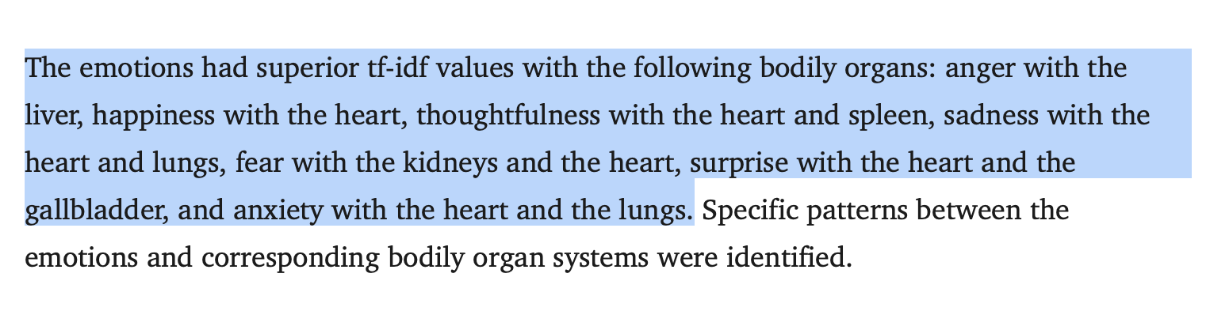
Let’s take the liver, for example. In Traditional Chinese Medicine, the liver is believed to be the seat of anger. While that may sound philosophical, there’s growing biological interest in how chronic emotional states like anger could influence hepatic function.
So if you’re searching for tips on anger management, don’t just look for surface-level strategies. Start with awareness. Because the path to true emotional mastery begins not by fighting anger, but by understanding it.
Anger: A Powerful Emotion, Not a Problem
Let’s start by reframing something we’ve often been conditioned to believe, that anger is bad, shameful, or something we should quickly push away. The truth is, anger is not a flaw in your personality. It’s simply an emotion, powerful, deeply human, and sometimes, necessary.
This is where intent matters.
Anger, when it comes from a place of truth and purpose, can spark movements, protect the vulnerable, and even inspire change. But when it comes from the ego, from fear, or from past wounds left unhealed, that’s when it becomes destructive.
So, the goal is not to extinguish the fire of anger. That fire has value. The goal is to understand how to contain it, work with it, and use it wisely. Just like you wouldn’t shame yourself for feeling love or sadness, don’t shame yourself for feeling anger either.
The Impact of Chronic Anger on Your Health: Body, Brain, and Beyond
We’re not here to tell you not to feel anger. That would be neither practical nor kind. Like any emotion, anger has a role; it alerts us when our boundaries are crossed, when we witness injustice, or when something within us is out of alignment. But when anger becomes chronic, when it simmers beneath the surface or erupts regularly, it can quietly start impacting nearly every organ system in your body. Your body keeps a score.
And here’s the thing: the body doesn’t differentiate between an angry thought and a real physical threat. The moment anger arises, your sympathetic nervous system kicks in, activating the ‘fight or flight’ response. This sets off a cascade of physiological changes designed for short-term survival, but when prolonged, these changes begin to create long-term damage.
Let’s look at what happens:
- The Brain: Chronic anger reshapes your brain. Repeated surges of cortisol and adrenaline, stress hormones released during anger, can impair the function of the prefrontal cortex, which governs rational decision-making, impulse control, and empathy. At the same time, the amygdala, the brain’s emotional alarm system, becomes hypersensitive.
This means:
- You’re more likely to overreact.
- You lose the ability to pause and respond mindfully.
- Emotional regulation becomes increasingly difficult.
This is why, over time, people stuck in cycles of anger often report brain fog, forgetfulness, overthinking, or even anxiety and depression. It’s not just emotional. It’s neurological.
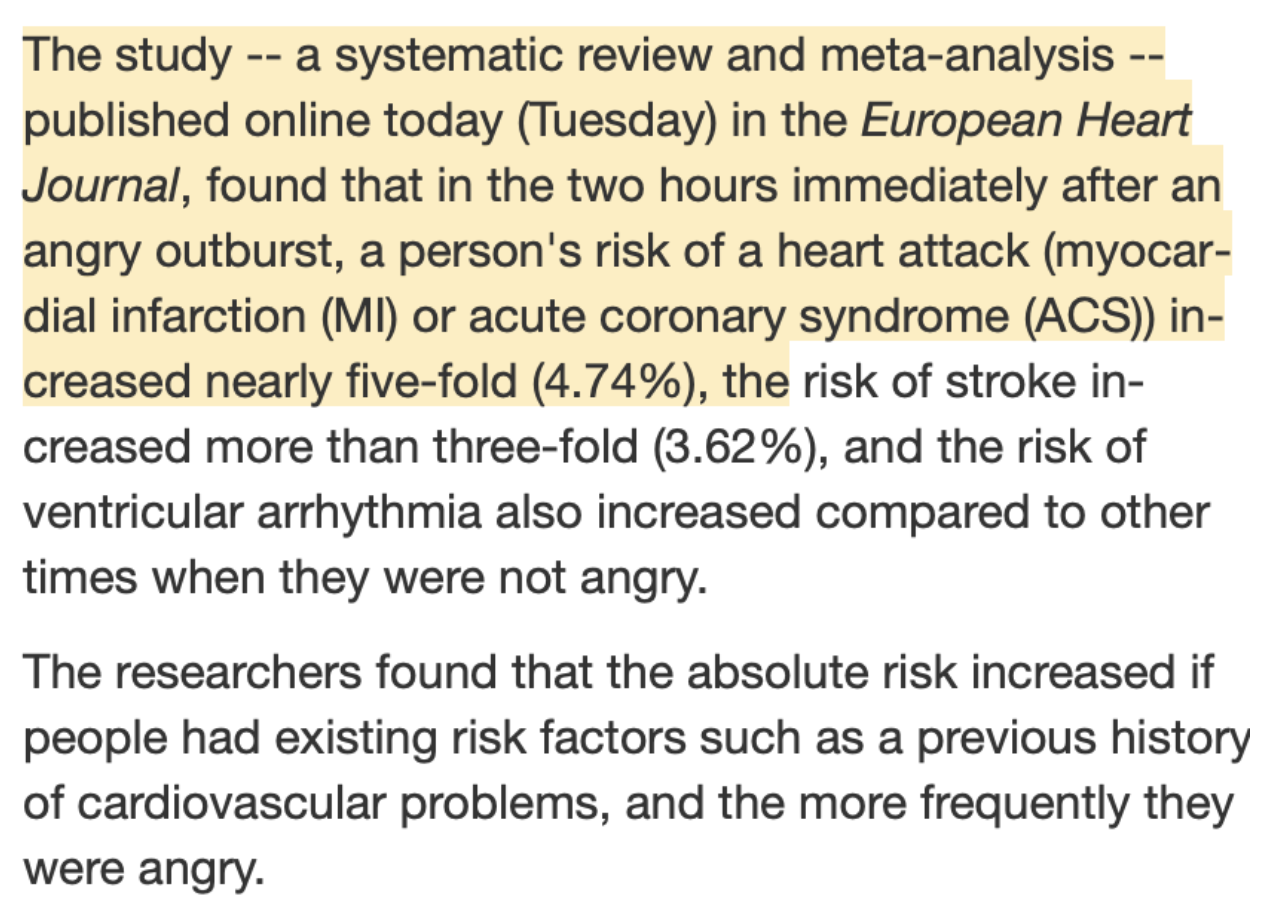
- The Heart and Cardiovascular System: Anger is a known risk factor for heart health. Episodes of intense anger can increase the risk of heart attacks and arrhythmias in the hours following the outburst.
Chronic anger:
- Raises blood pressure persistently
- Increases heart rate variability
- Promotes inflammation in blood vessels
- Elevates LDL cholesterol and triglycerides
Over time, this contributes to atherosclerosis (narrowing of arteries), poor circulation, and increases the risk of strokes and heart disease.
- The Liver: Prolonged emotional stress impacts liver cleansing pathways, bile flow, and hepatic metabolism. Chronic elevations in cortisol can impair how the liver processes fats, sugars, and hormones, leading to:
- Fatty liver changes
- Increased inflammatory cytokines
- Impaired cleansing pathways of estrogen, contributing to hormonal imbalances
- The Gut: The gut-brain axis is one of the most direct channels where emotional stress translates into physical distress.
When anger becomes frequent:
- Stomach acid production increases, leading to hyperacidity, reflux, or ulcers
- Gut motility becomes erratic, contributing to bloating, constipation, or IBS
- Gut microbiota is altered, affecting digestion, immunity, and mood
In fact, chronic stress and anger can lead to increased intestinal permeability, the so-called ‘leaky gut,’ which is linked to autoimmune and inflammatory conditions.
- The Hormonal System: The endocrine system is exquisitely sensitive to emotional states. When cortisol remains high because of unresolved anger:
- Progesterone, a calming hormone, gets depleted, it’s used up to make more cortisol
- This disrupts the production of testosterone and estrogen, leading to symptoms like low libido, irregular cycles, PMS, or menopausal distress
- Thyroid function slows down, impacting metabolism, energy, and weight
This hormonal chaos can manifest as:
- Fatigue that doesn’t go away with sleep
- Emotional highs and lows
- Weight gain, especially around the belly
- Poor concentration and burnout
- The Immune System: One of the most overlooked consequences of chronic anger is immune suppression.
High cortisol suppresses white blood cell production and reduces the body’s ability to fight off infections. You may find yourself:
- Falling sick more often
- Experiencing longer recovery periods
- Developing low-grade inflammation that contributes to chronic illness
- The Skin and Hair: Your skin is your largest cleansing organ, and when the liver and gut are overwhelmed, often due to chronic stress and anger, it shows up externally.
Chronic anger and its hormonal fallout can:
- Trigger acne, eczema, rosacea, and psoriasis
- Contribute to hair thinning or hair fall
- Accelerates aging due to oxidative stress
Suppression vs. Expression: Why Bottling It Up Is Just as Harmful
When it comes to emotions, especially anger, one of the most common pieces of advice we hear is: “Just let it go.”
On the surface, it sounds spiritual or emotionally mature.
But here’s the truth: most people don’t let it go; they push it down. They suppress it. And there’s a big difference.
Suppression is when you consciously avoid expressing anger. For example, you feel disrespected in a conversation, but you smile, nod, and tell yourself to ‘stay calm.’ Over time, this forced calmness becomes a mask you wear, but beneath that surface, the resentment builds.
Repression, on the other hand, happens when the anger doesn’t even reach your awareness. It’s buried so deep, often rooted in childhood or conditioned behaviour, that you’re no longer even aware it exists—until it spills out unexpectedly, through self-sabotage, unexplained illness, or emotional shutdown.
Both suppression and repression disconnect us from our emotional truth. And disconnected emotions don’t disappear; they fester.
We often mistake silence for strength. But true emotional mastery isn’t about bottling up your anger, nor is it about erupting in it. It’s about learning how to feel, process, and express it in a way that’s safe for you and those around you. That’s the heart of how to manage anger in a way that’s authentic, not performative.
In my conversation with Sister BK Shivani, spiritual mentor representing the Brahma Kumaris World Spiritual Organization, she shared that suppressed emotions, especially anger, create a blockage in our energy system. When we don’t address what we feel, it doesn’t go away; it becomes a heavy karmic imprint. But when we bring awareness to it, when we observe our emotions without judgment, that is when true spiritual freedom begins.
Watch the full episode here.
Understanding the Ego: A Fragile Armor
Let’s talk about something that often fuels our anger without us even realising it, the ego.
Now, let’s be clear: ego is not a villain. It’s not something to be destroyed or denied.
In many ways, the ego is there to protect us. It gives us a sense of identity, self-worth, and individuality. But when it becomes overly fragile or inflated, even the smallest threat can feel like a personal attack.
And that’s where anger steps in — not as a villain, but as a guard dog.

Take a moment to reflect on your reaction if a stranger says something rude.
Why do we react? Because our ego felt hurt. But do we really need to carry that?
In that moment, it’s not about the words. It’s about the story we tell ourselves: “How could they say that to me?” or “I don’t deserve this.”
The ego, in its attempt to protect our self-image, reacts with defensiveness. And often, that defensiveness turns into anger.
But here’s something to gently sit with:
Does holding on to that anger really protect you, or is it holding you back?
Sometimes, the ego interprets situations through the lens of fear. Fear of being wrong, misunderstood, rejected, or disrespected. But that fear, when left unchecked, creates a rigid emotional shell. And every small trigger feels personal, even when it’s not.
Neurologically, this shows up in how the default mode network (DMN) of the brain operates. This network, associated with self-referential thinking and ego processing, becomes more active when we dwell on how others perceive us. So when the ego is hurt, it amplifies the emotional reaction, often hijacking our rationality and clarity.
Here’s the shift:
When we begin to observe the ego without immediately reacting to it, we create a gap, a moment of awareness. That tiny pause can make all the difference between reacting with anger and responding with intention.
So the next time you feel the heat rising, ask yourself:
- Is this really about what was said or done, or is it about how I felt in that moment?
- Is this anger helping me move forward or is it keeping me stuck in an old loop?
- Can I acknowledge the ego without becoming enslaved to it?
Because the goal is not to kill the ego. The goal is to befriend it, understand its fears, and remind it, gently, that you don’t need to fight every battle to feel worthy.
That’s where the real emotional strength lies.
And that’s one of the most liberating insights when learning how to do anger management effectively, not through suppression, but through self-awareness and humility.
When Anger Becomes a Pattern: Unlearning the Loop
If you’ve ever caught yourself thinking, “Why do I keep reacting like this?”, you’re not alone. Most of us don’t realise that anger, over time, can hardwire itself into our responses. Not because we’re flawed, but because the brain is built to repeat what it believes is “familiar” or “protective.”
Here’s what happens neurologically:
Each time you react in anger, especially if it brings a sense of power or temporary relief, your brain wires that response more deeply into your limbic system, particularly the amygdala. Over time, your body doesn’t just ‘feel’ anger — it memorises it. This is called ‘emotion-memory loop.’
You’re no longer reacting to just the moment; you’re reacting from a history of unresolved emotional memory.
That’s why people often say:
“I didn’t even know I was angry until I exploded.”
“I overreacted — it wasn’t even a big deal.”
“I feel exhausted after I get angry.”
This is where deeper anger management becomes less about controlling your reactions and more about rewiring your emotional conditioning.
Here’s how to begin unlearning the pattern:
1. Observe Without Shame: The next time anger arises, catch yourself in the reaction, not to scold yourself, but to gently observe and ask:
- What’s really going on beneath this?
- Is this an old pattern playing out?
- Does this remind me of something I’ve felt before?
You’re not just dealing with what’s in front of you — you’re healing decades of emotional wiring. And that takes awareness, not aggression.
2. Bring in the ‘Interruptor’: Create a small ritual that interrupts your usual anger response. This might be:
- Stepping away and splashing cold water on your face
- Whispering to yourself: “I’m safe right now.”
- Keeping a grounding object in your pocket (like a small stone)
These tiny interventions help break the neuro-emotional loop and signal to your body that it doesn’t have to react the same way every time.
- Replace the Loop with a New One: Every time you choose breath over blow-up, or reflection over reaction, you’re building a new emotional muscle.
You’re showing your brain: “We don’t have to default to anger anymore. There are other ways to feel safe and in control.”
Over time, these new pathways strengthen, and anger starts to feel less like a reflex, and more like a signal you can listen to with wisdom.
- Choose Compassion Over Control: Unlearning emotional habits is a journey, not a switch. You’ll slip. That’s okay.
Each time you catch yourself mid-pattern and choose differently, you’re winning. Not over someone else — over the old version of yourself that didn’t know any better.
Anger and Relationships: The Hidden Distance It Creates
We often think of anger as loud, yelling, snapping, and saying things we don’t mean. But sometimes, anger is quiet. It shows up as withdrawal, sarcasm, dismissiveness, or emotional distance.
And in relationships, whether romantic, familial, or professional, these subtle forms of anger can create a quiet wall between people.
We’ve all been there.

A comment from your partner triggers something.
A disagreement with a friend makes you retreat emotionally.
A colleague’s behaviour leaves you simmering with unspoken resentment.
You may not raise your voice, but the energy shifts. Connection breaks. Trust thins. This is how unprocessed anger erodes relationships, not always through drama, but through subtle, repeated disconnection.
How to Do Anger Management in Relationships — Without Shutting Down
Here are a few powerful and practical shifts that I often share in my sessions, not to suppress anger, but to express it mindfully and protect the bond.
1. Use “I” Statements, Not “You” Accusations
Saying “You never listen to me!” puts the other person on the defensive.
Instead, try, “I feel unheard when I’m interrupted. I just want to finish what I’m saying.”
You’re not blaming. You’re expressing. And that creates space for real connection.
2. Take Timeouts That Aren’t Punishments
When emotions are high, especially anger, the brain’s logical center, the prefrontal cortex, temporarily shuts down. That’s why it’s okay to take a pause.
Just say: “I’m feeling overwhelmed. Can we take a break and come back to this with calmer energy?”
That small boundary can prevent a lot of unnecessary hurt.
3. Don’t Use Silence as a Weapon
Silent treatments, passive-aggression, or emotional withdrawal can hurt more than raised voices.
If you need space, take it but communicate it with clarity: “I need time to process. It’s not about punishing you. I just want to come back grounded.”
4. Let Vulnerability Guide the Conversation
Sometimes, underneath your anger is a deeper truth. You’re not furious. You’re hurt. You’re scared of being unloved. You’re feeling unseen.
Expressing that softly can change everything:
“I get angry because I care. When you dismiss me, I feel invisible.”
That level of honesty disarms defensiveness and invites intimacy.
5. Learn Together, Grow Together
Many couples and families heal deeply when they learn to regulate their emotions together.
Try:
- Watching a talk on emotional regulation as a couple
- Practicing breathing or meditation before difficult talks
- Setting shared emotional agreements like “no yelling,” “we’ll revisit things after cooling off,” etc.
You’re not managing anger in isolation. You’re creating an emotionally intelligent system that supports mutual growth.
Remember, anger doesn’t have to break relationships.
6 Top Tips on Anger Management That Actually Work
The most awaited section.
Well, honestly, there are no quick fixes or hacks. Everybody has a different way to handle anger, but these are gentle, sustainable practices that I’ve seen help thousands. Think of this list like a calm friend sitting across from you, gently offering tools that work, not from a place of judgment, but deep understanding.
1. Pause and Breathe: Train Your Nervous System First
Before any reaction, before any word is spoken — pause.
Even a 5-second pause can interrupt the fight or flight response and give your body a chance to regulate. Deep, intentional breathing activates your parasympathetic nervous system, the part that brings you back to calm.
Try simple techniques like:
- Box breathing (Inhale for 4, hold for 4, exhale for 4, hold for 4)
- The 4-7-8 method (Inhale for 4, hold for 7, exhale for 8)
These practices don’t just calm you in the moment, they retrain your system to respond rather than react over time.

2. Practice Metta Meditation (Loving-Kindness)
This isn’t about forcing yourself to love someone who hurt you. It’s about softening your own emotional intensity so you stop carrying that burden within.
Metta meditation reduces anger, anxiety, and emotional reactivity while increasing emotional resilience and compassion. Even just 5 minutes a day can change your emotional landscape.
Practice Metta Meditation Here
3. Move Your Body to Move the Emotion
Anger is energy. And if it’s not moved, it gets stuck.
Movement, even something as simple as a brisk walk, dancing in your living room, or shaking out your limbs, helps metabolise cortisol, releases endorphins, and shifts your emotional state.
You don’t need a gym. Just move in a way that feels natural.
Yoga, swimming, or even punching a pillow (safely) can help the body complete the stress response and release the stored emotion.
- Create Safe Spaces to Express
The goal isn’t to pretend everything’s fine. It’s to find safe ways to let your truth surface.
Try:
- Anger journaling – Write uncensored, raw thoughts. Then close the journal. You’re not writing for anyone else.
- Voice note therapy – Record your anger (don’t send it). Just let it out.
- Art therapy – Draw it, paint it, scribble it out.
- Pillow punching or primal screaming – Not dramatic, just deeply releasing.
5. Boundaries, Not Blow-Ups
One of the best tips on anger management?
Prevention through communication.
Set clear, calm boundaries before resentment builds up.
Instead of yelling, “You never respect my time!”
Say calmly: “It’s important to me that we honour commitments. Can we talk about what happened?”
Boundaries protect your energy without hurting someone else’s.
6. Seek Support Without Shame
You don’t have to do this alone.
Whether it’s a therapist, coach, spiritual guide, or a trusted friend, support helps you untangle what’s under the surface. You’re not weak for needing help. You’re human. Seeking support is not failure; it’s self-respect.
And if you’re someone who’s been judged or misunderstood for your anger in the past, let this be your permission slip to find the right kind of support that sees the real you.
Disclaimer: Every individual’s emotional journey is unique. What works for one may not work for another. The suggestions shared here are grounded in science and are meant to empower you with awareness, not to label, shame, or diagnose. Always listen to your body, trust your instincts, and reach out for help when needed. Your well-being is your responsibility and your greatest asset.
Final Thoughts: Befriend Your Anger, Don’t Fear It
If there’s one message I want to leave you with, it’s this: Anger is not the enemy. Unawareness is.
You don’t need to suppress it. You don’t need to explode with it. You don’t need to feel guilty for having it. You just need to listen to it and understand what it’s really asking for.
Because underneath most anger, there’s always something more tender:
A boundary was crossed.
A fear awakened.
A need unmet.
A wound reopened.
And when you choose to see anger as a signal rather than a personality flaw, you begin to take back control, not just of the emotion, but of your life.
In truth, how to do anger management isn’t about being calm all the time.
It’s about learning to pause. To breathe. To check in, not check out.
If you resonate with the blog, please watch
Disclaimer: This blog is intended for informational and educational purposes only. It does not replace medical advice, psychological diagnosis, or treatment from a licensed health professional. If you or someone you know is experiencing intense or chronic anger that interferes with daily functioning or relationships, please consider seeking support from a qualified health expert.
If you’ve been struggling with managing your emotions or feel like anger is taking a toll on your health and relationships, know that you’re not alone, and support is available.
Consult our emotional wellness counseller will help you to reconnect with your emotional well-being through personalized lifestyle, nutrition, and mind-body guidance.
Reach out to us at 1800 102 0253 or write to us at [email protected]
.

Start Your Wellness Journey
Feeling inspired to take the next step in your wellness journey? Connect with us to explore how our tailored programs can support your health journey. Your transformation is just a conversation away.