
Most people may never develop a lipoma, which is a soft, slow-growing lump of fat just beneath the skin. Yet, for those who do, the experience can raise concern.
Is it something serious? Is it a tumor? Is a lipoma dangerous or not?
The answer is usually reassuring: a lipoma is generally benign, meaning it’s non-cancerous and often doesn’t need immediate medical intervention. But even when medically classified as harmless, that doesn’t mean it should be ignored entirely. And while conventional medicine may focus on removal, more and more individuals today are becoming curious about lipoma treatment without surgery, looking for natural, lifestyle-driven solutions that go beyond symptom management.
Let’s begin to understand the basics.
What is a Lipoma?
A lipoma is a slow-growing, soft, and typically painless lump composed of mature adipose tissue (fat). It forms just beneath the skin, nestled between the skin and the underlying muscle.
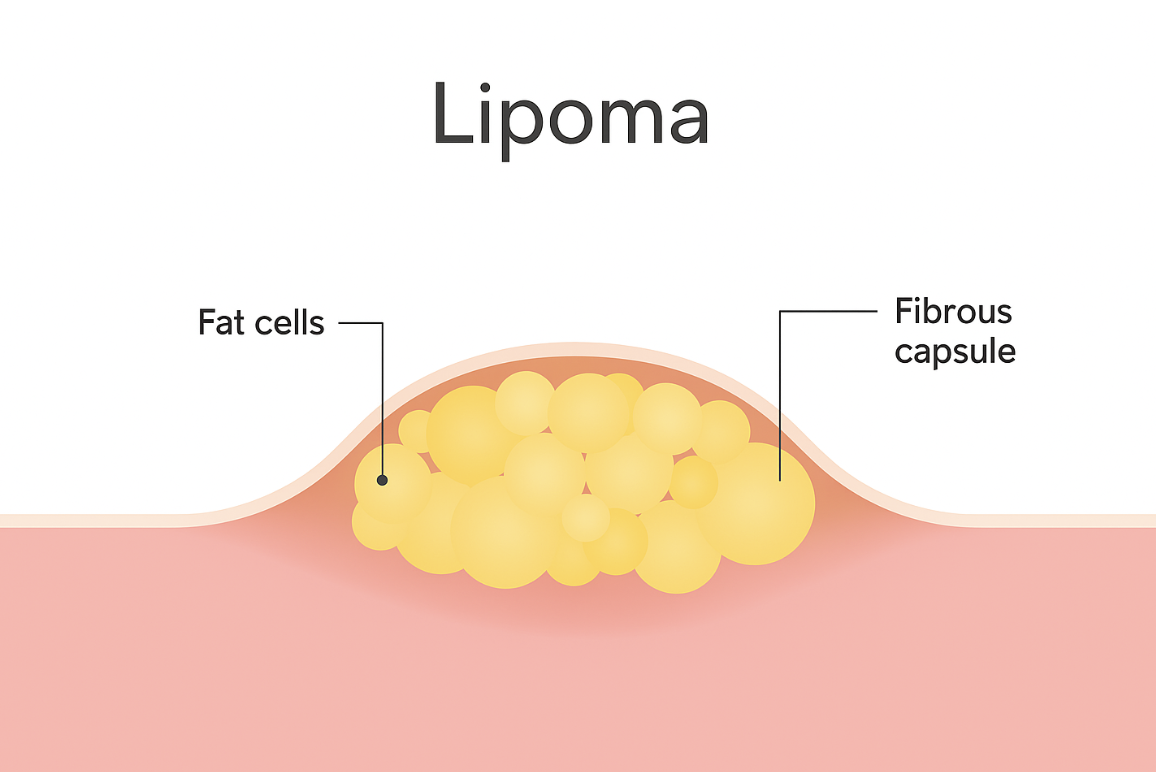
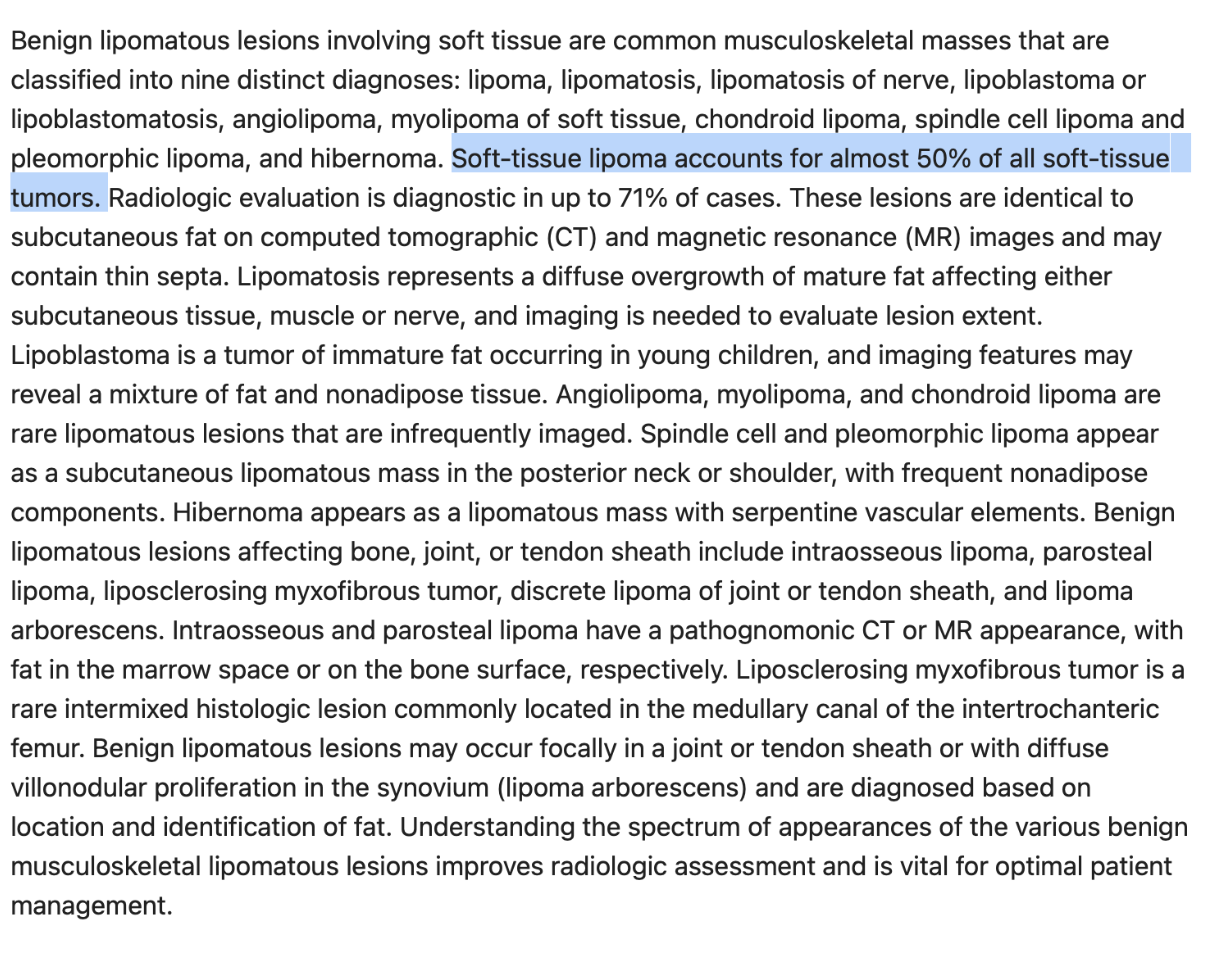
To the touch, it often feels movable, almost like dough under the surface. According to a review published in the Journal of Clinical and Diagnostic Research (2015), lipomas account for nearly 50% of all benign soft tissue tumors, with an estimated incidence of 1 in every 1,000 individuals.
While they can develop at any age, lipomas are most commonly diagnosed between the ages of 40 and 60. Interestingly, we’re now seeing more cases in younger individuals, sometimes even in children, especially those with compromised metabolic health, obesity, or poor lifestyle habits. This mirrors what we’ve seen with patients in our integrative practice over the years.
There’s a reason many people today are exploring lipoma treatment without surgery. Beyond cosmetic concerns, there’s a growing interest in understanding why the body produces such growths. More individuals are becoming curious about the body’s cleansing pathways, fat metabolism, and how lifestyle may play a role in the appearance of these fatty deposits. To date, science hasn’t identified a singular, clear-cut explanation for what causes lipomas.
Types of Lipomas: Not All Fatty Lumps Are the Same
When we speak about a lipoma, we often imagine a single, soft, jelly-like lump beneath the skin. But not all lipomas are identical. There are several types, each with distinct characteristics.
For most people, a lipoma is benign and painless, but in rare cases, certain types can be firmer, more vascular, or even mildly uncomfortable. The types of lipomas are
- Conventional Lipoma: This is by far the most common type. It presents as a soft, slow-growing, mobile mass composed entirely of mature fat cells. These are usually asymptomatic and discovered incidentally.
- Angiolipoma: Angiolipomas contain both adipose tissue and a dense network of small blood vessels. While still benign, they can sometimes be tender or painful, especially with pressure. They are more common in younger adults and may appear in multiples.
- Fibrolipoma: This variant has fibrous tissue interspersed with fat cells, giving it a firmer consistency. Though rare, it may be found in regions like the forearm or thigh and is sometimes misidentified due to its unusual texture.
- Spindle Cell Lipoma: Commonly found in middle-aged men, especially on the upper back, neck, or shoulders, this type includes spindle-shaped cells mixed with fat. These lipomas tend to grow slowly and may sometimes be mistaken for other soft tissue tumors, highlighting the importance of clinical evaluation and histological confirmation.
- Myelolipoma: Unlike other lipomas that reside under the skin, myelolipomas develop deep within the body, most often in the adrenal glands. They contain fat tissue along with hematopoietic (blood-forming) cells and are typically discovered during imaging done for unrelated reasons.
- Hibernoma: A rare form, hibernomas are made of brown fat (fat that’s metabolically active) and typically seen in infants. In adults, these lipomas can occur in areas like the neck, thigh, or periscapular region. Due to their denser vascular structure, hibernomas may feel warmer or firmer than typical lipomas.
Common Locations: Where Lipomas Usually Appear
Some of the most common regions include:
- Shoulders and upper arms
- Upper and lower back
- Thighs (both inner and outer)
- Forearms
- Abdomen and flanks
- Neck and the back of the neck
- Buttocks and pelvic rim
While most lipomas sit just under the skin, there are rare instances where they form deeper within muscle tissue or internal organs. These are typically harder to detect through palpation and are usually found incidentally during imaging studies like MRIs or CT scans.
What Causes Lipomas?
Medical literature defines lipoma causes as largely idiopathic, meaning their origin is unknown in most cases. However, some contributing factors are recognized:
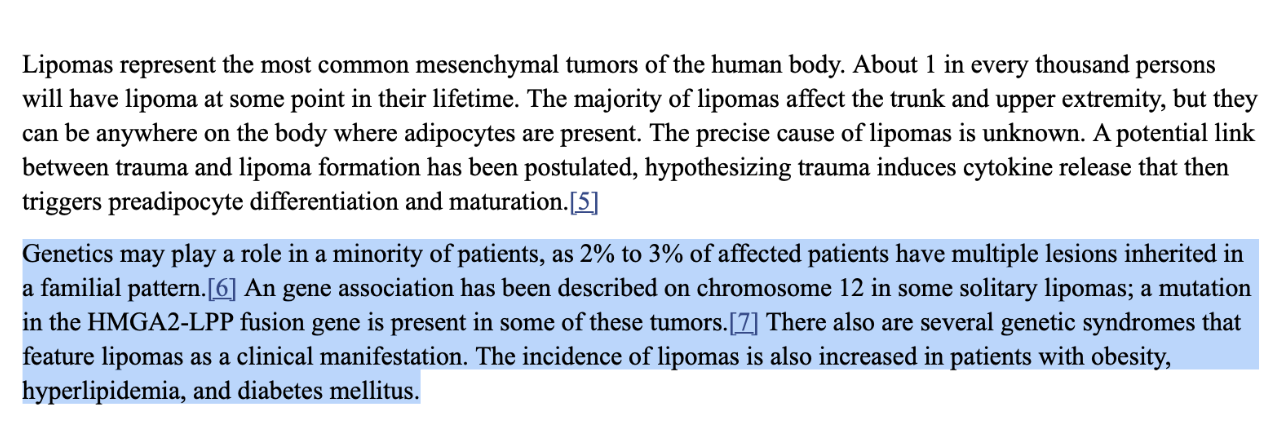
- Genetic predisposition: In certain families, lipomas occur across generations. This condition, familial multiple lipomatosis, is linked to an autosomal dominant pattern, where even one affected gene can increase the risk of developing multiple lipomas.
- Genetic mutations: Cytogenetic studies have identified abnormalities, particularly involving chromosome 12 and the HMGA2 gene, in solitary lipomas. This gene plays a role in regulating fat cell growth and may be involved in the dysregulated proliferation of adipocytes.
- Syndromic associations: Though rare, lipomas may occur as part of certain genetic syndromes. For instance:
- Cowden syndrome, a PTEN mutation-related disorder, may involve multiple benign growths including lipomas.
- Gardner’s syndrome, associated with APC gene mutations, may also present with subcutaneous lipomas along with other benign tumors and gastrointestinal polyps.
So yes, from a diagnostic point of view, lipomas are not dangerous in most cases. But that doesn’t mean we can’t use them as an opportunity to reflect more deeply on the internal landscape of our health.
In our years of working integratively, with patients across ages, geographies, and health histories, we’ve come to appreciate that not all symptoms exist in isolation. Even something as seemingly benign as a lipoma may reflect a deeper imbalance in the internal terrain.
We’re not saying these are definitive causes. We’re not offering diagnoses. What we’re offering is curiosity, an invitation to pause and look within. Because what causes lipomas may not be black-and-white, but it might just lie in the shades of our daily lives.
Here are patterns we’ve seen repeatedly in people who develop lipomas:
- Chronic Obesity and Impaired Fat Metabolism: While lipomas are not caused by dietary fat or body weight alone, individuals with metabolic dysfunction, particularly those with chronic obesity, may be more prone. Obesity is associated with dysregulation in adipocyte signaling, impaired lipid turnover, and localized fat cell proliferation. Lipomas emerge or multiply in those struggling with visceral fat, uncontrolled cholesterol, or poorly managed triglycerides.
- Sluggish Lymphatic Drainage: Your lymphatic system is vital for filtering cellular waste and maintaining fluid balance. When it’s stagnant, due to a sedentary lifestyle, dehydration, or systemic inflammation, the body may find other ways to store what it cannot eliminate efficiently.
- Toxin Overload and Environmental Burden: The body has a fascinating ability to protect itself. When it encounters toxins, whether from air pollution, food additives, pesticides, or even medication residues, it tries to neutralize and eliminate them through cleansing pathways.
But what happens when the toxic load exceeds the body’s ability to clear it?
The body may encapsulate certain toxins in fat tissue to protect vital organs where fat cells can act as reservoirs for lipophilic (fat-loving) toxins.

- Compromised Liver Function: The liver breaks down hormones, fats, and toxins. Elevated liver enzymes, fatty liver disease, or excess alcohol intake can all impair this vital process. We often observe lipomas in individuals with liver stress, high SGPT (serum glutamic-pyruvic transaminase) and SGOT (serum glutamic-oxaloacetic transaminase) levels, or a long history of binge drinking.
While no study directly proves that poor liver function causes lipomas, the correlation is strong enough that we often encourage people with multiple lipomas to check their liver health as a first step.
- Insulin Resistance and Glucose Imbalance: Insulin acts as a growth hormone for fat cells, and when its signaling becomes impaired, fat may be distributed or stored abnormally. Several patients who’ve asked us how to reduce lipomas naturally were also living with prediabetes, PCOS, or metabolic syndrome, conditions that all trace back to poor insulin sensitivity.
- Chronic Stress and Hormonal Disruption: Stress is one of the most underestimated disruptors of the body’s natural rhythm. Cortisol, the body’s primary stress hormone, not only affects fat distribution but also slows down digestion, cleansing, and cellular repair. Chronic stress can keep the body in a state of survival, where healing takes a backseat and storage becomes a default. Stress may not create lipomas directly, but it creates an internal terrain where stagnation, inflammation, and dysregulation can thrive.

Understanding the Difference: Lipoma vs. Liposarcoma
A lipoma is typically:
- Soft to touch and moves slightly under the skin when pressed
- Slow-growing over months or years
- Painless and superficial
- Usually small (under 5 cm in diameter), though some can grow larger
In contrast, a liposarcoma, a rare but malignant tumor arising from fat tissue, can sometimes mimic the physical appearance of a lipoma, especially in its early stages. However, it tends to behave very differently.
Liposarcomas often:
- Grow rapidly over weeks or months
- Are firm or fixed to underlying tissues
- May cause discomfort or pain
- Can occur deeper within the soft tissues, such as muscles or retroperitoneal spaces
- Often exceed 5 cm and may show irregular borders on imaging
We’ve seen far too many people either ignore a lump out of fear, or rush into surgery out of panic. What’s needed is the middle path—awareness first, panic never.
When Should You See a Doctor?
If you notice any of the following characteristics in a lump, it’s best to consult your healthcare provider:
- Rapid increase in size over a short period
- Pain or tenderness in or around the lump
- Location deep within the muscle, rather than just beneath the skin
- Hard, immobile texture that doesn’t move with pressure
- Changes in skin color or sensation over the lump
- More than one lump appearing suddenly without explanation
Getting it evaluated doesn’t always mean you’re headed for a biopsy or surgery. In most cases, a simple physical exam is enough for an experienced physician to assess whether it behaves like a typical lipoma.
Depending on the presentation, further evaluation may include:
- Ultrasound: To confirm whether the mass is composed of fat and located superficially.
- MRI or CT scan: Especially useful for deeper or larger growths to assess tissue characteristics.
- Biopsy: Recommended only when imaging or clinical signs raise suspicion for malignancy. This involves taking a small tissue sample to rule out liposarcoma.
Whether your focus is on lipoma treatment without surgery, how to reduce lipomas naturally, or simply understanding if a lump is safe to leave alone, starting with a medical check-in gives you the clarity you need to move forward with confidence, not confusion. It’s not about assuming the worst. It’s about being present, being informed, and being proactive in your care.
Lifestyle Shifts That May Support Lipoma Management
For most people diagnosed with a lipoma, the first recommendation often involves watchful waiting, steroid injections, or, if desired, surgical removal. These conventional routes are valid, especially when the lipoma is painful, large, or causing discomfort. But what if the lump is asymptomatic, benign, and simply there, sitting silently under your skin?
Instead of focusing only on how to remove lipoma naturally or whether it can disappear overnight, consider the deeper questions:
- What is your body holding onto?
- What internal burden could be asking for attention?
- What part of your lifestyle could be shifted gently, not out of fear, but out of self-respect?
Because even though lipomas are rarely urgent, they can still be important.
While there are no medically proven ways to reverse a lipoma without intervention, several people report positive shifts, either in the size, feel, or recurrence of their lipomas, after addressing certain lifestyle imbalances. These shifts don’t work by targeting the lipoma directly, but by changing the environment in which it formed.
Let’s explore the possible terrain-based reasons that may contribute to their appearance, and how you can lovingly support your body through these eight aligned shifts.
These are not cures or quick fixes, nor are they medical prescriptions. But they are grounded in science, rooted in tradition, and guided by one simple belief: your body responds powerfully to what you do consistently and mindfully.
1. Support Your Liver
Your liver is your biochemical command center, processing fats, filtering toxins, balancing hormones, and supporting metabolic health. When the liver is overwhelmed, by processed foods, alcohol, medications, or stress, fat metabolism can become sluggish, creating a terrain where abnormal fat storage may occur.
To support your liver naturally:
- Eat more cruciferous vegetables (broccoli, cauliflower, cabbage), which contain glucosinolates that promote liver enzyme activity.
- Drink liver-supportive teas like milk thistle, which may aid liver cell regeneration.
- Reduce or eliminate processed foods, excessive caffeine, alcohol, and hydrogenated oils.
2. Activate Your Lymphatic System, The Body’s Drainage Network
Simple ways to activate lymph flow include:
- Daily movement: Brisk walking, rebounding, or yoga with inversions stimulates lymphatic return.
- Dry brushing: A gentle, rhythmic practice that supports superficial lymphatic flow.
- Cold water exposure: Alternating hot and cold showers helps contract and relax lymphatic vessels.
- Deep breathing: Especially through the diaphragm, stimulates lymph nodes in the thoracic duct.
3. Reduce Systemic Inflammation
Chronic, low-grade inflammation has been implicated in nearly every metabolic disorder today. While inflammation is a natural healing response, when it persists, it creates oxidative stress, disrupts hormone signaling, and impairs tissue regeneration.
Reducing inflammation isn’t about removing one food or taking one supplement. It’s about rebalancing the terrain that’s been inflamed for too long.
To calm this internal fire:
- Prioritize anti-inflammatory whole foods like turmeric (with black pepper), ginger, berries, and green leafy vegetables.
- Include healthy fats from omega-3 sources—flaxseeds, chia, walnuts, and wild fatty fish.
- Eliminate refined sugar, seed oils, and ultra-processed snacks.
- Focus on restorative sleep, which directly modulates inflammation pathways.
- Practice stress modulation through breathwork, meditation, journaling, or time in nature.
- Balance Blood Sugar and Insulin Levels
Balance isn’t just about what’s on your plate, it’s about giving your body rhythm, space, and trust to do its job.
To restore insulin sensitivity:
- Build meals around fiber-rich vegetables, healthy fats, and clean proteins.

Image Credits: Freepik
- Avoid eating close to bedtime; allow 12–14 hours overnight without food (under professional guidance).
- Reduce frequent snacking and mindless eating.
- Experiment with time-restricted eating, which can improve glucose metabolism and lipid handling in the body.
Respect the Symptom, Trust the Body
Most lipomas are not dangerous. They rarely require urgent attention. But dismissing them entirely also misses the point. So instead of racing toward surgery or spiraling into fear, pause.
Breathe.
Ask your body, gently:
What might you be trying to tell me?
This isn’t about alarm, it’s about alignment.
This isn’t about rushing, it’s about realigning.
Your body is wise. It adapts. It responds. It communicates.
There is no need to fear the symptom when you begin to trust the intelligence behind it.
Because in the end, it’s not just about how to reduce lipomas naturally, it’s about how to return to a state where such imbalances don’t need to surface at all.
And that’s a journey worth walking, with patience, presence, and purpose.
You can also watch:

Disclaimer: This blog is intended for informational and educational purposes only. It is NOT a substitute for professional medical advice, diagnosis, or treatment. Always consult your qualified healthcare provider before making any changes to your food habits, lifestyle, or medical plan, especially if you have been diagnosed with a medical condition. Individual results may vary, and no approach mentioned is intended to replace medical or surgical intervention when necessary.
A lipoma might not demand urgent action, but it can be a quiet cue to check in with your body.
If you’re seeking a holistic path to manage weight, inflammation, and internal balance, our Weight Management Program offers just that, without the pressure, and with plenty of support.
Because your body deserves care, not control.
Reach out to us at 1800 102 0253 or write to us at [email protected].

Start Your Wellness Journey
Feeling inspired to take the next step in your wellness journey? Connect with us to explore how our tailored programs can support your health journey. Your transformation is just a conversation away.