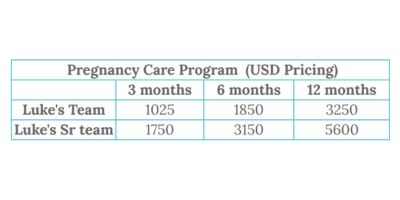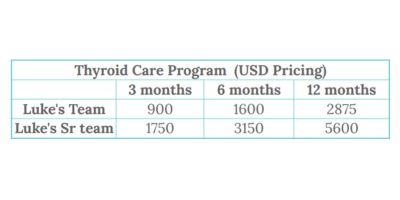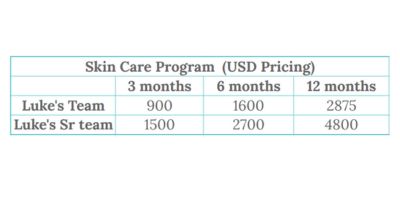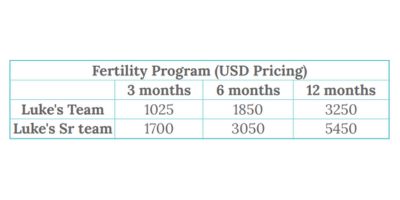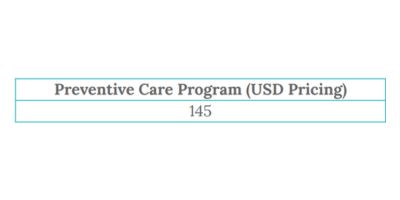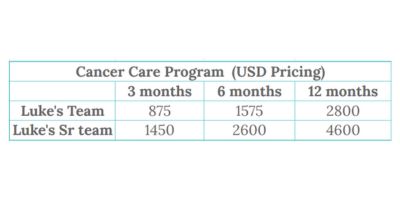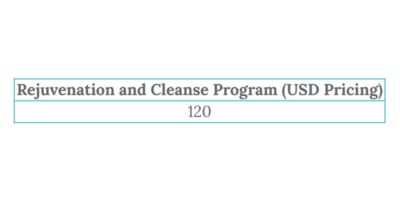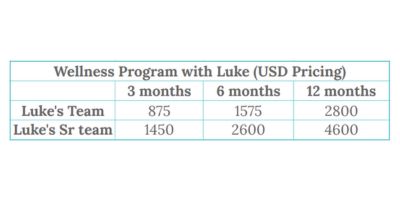
Let me share an inspiring story of a woman who successfully manages gestational diabetes through lifestyle and mindset…
One of our clients who joined our program a few years ago, shared something powerful with us, and I believe every mother, every parent-to-be, every family member needs to read this.
She said,
“I got gestational diabetes in my eighth month of pregnancy. Both my parents are diabetic. This year, I was diagnosed with type 2 diabetes after a glucose tolerance test. I enrolled in Luke’s 3-month program. Charmi, my nutritionist, worked closely with me. After two months, my blood reports dramatically improved. My diabetologist told me: ‘You are cured of type 2 diabetes.’ He was amazed. I told him it was the lifestyle program with Luke. I’m so grateful.”
This is the body’s power when we give it the right environment to heal.
And while not every case is the same, this story reminds us that gestational diabetes isn’t a life sentence. It’s a wake-up call. If left unmanaged, gestational diabetes can lead to long-term complications for both mother and baby.
So, let’s explore how gestational diabetes develops, how it affects both mom and baby, and most importantly, how we can take back control through early diagnosis and personalized lifestyle shifts.

What Is Gestational Diabetes?
Let’s break it down.
Gestational diabetes mellitus (GDM)—sounds heavy, right? But the gestational diabetes mellitus definition is actually quite simple:
It’s a condition where your blood sugar levels rise during pregnancy, even if you’ve never had diabetes before.
Now, how is gestational diabetes different from Type 1 or Type 2 diabetes?
- Type 1 diabetes is autoimmune—it usually shows up early in life when the body stops making insulin.
- Type 2 diabetes is mostly lifestyle-driven, and it develops gradually when the body becomes resistant to insulin.
- Gestational diabetes, on the other hand, happens only during pregnancy. Your body goes through so many hormonal changes that it sometimes stops responding well to insulin. The result? Your blood sugar shoots up.
Here’s how it happens:
Pregnancy brings about a storm of hormonal changes.
- The placenta produces hormones that help the baby grow, but some of these hormones also make your body less responsive to insulin. This can cause sugar to build up in your blood.
- If your pancreas can’t keep up with the extra demand and produce enough insulin to balance it out, blood sugar levels start to rise—and that’s when gestational diabetes develops.
Now here’s what we really need to understand:
Just because it’s ‘temporary’ doesn’t mean it’s harmless.
- Women who experience gestational diabetes have a 50% or higher risk of developing Type 2 diabetes later in life.
(Source: Mother To Baby | Fact Sheets [Internet]. Brentwood (TN): Organization of Teratology Information Specialists (OTIS); 1994-. Gestational Diabetes. 2023 Apr. Available from: https://www.ncbi.nlm.nih.gov/books/NBK582729/)
That’s not something we can ignore.
And a large number of these cases go unnoticed or undiagnosed because there are no clear symptoms.
But again—I’ll say it over and over—this is not about fear. This is about awareness.
And the good news? With the right lifestyle changes, support, and monitoring, gestational diabetes mellitus is manageable and often reversible.
Now that we’ve simplified the gestational diabetes mellitus definition, let’s talk about why it happens in the first place. Because when we understand the why, we’re empowered to take action.
Why Does Gestational Diabetes Happen? Let’s Understand the Causes and Risk Factors
Gestational diabetes doesn’t just appear out of nowhere. It’s not a random event. It’s often the result of a deeper imbalance in the body—something I call a lifestyle misalignment.
Yes, genetics does play a role. If your parents or siblings have Type 2 diabetes, your risk goes up. But genes are not your destiny. Your lifestyle can turn those genes on or off. This is what epigenetics teaches us.
Let’s look at the top risk factors I have seen across clients:
- Obesity: Excess weight can create insulin resistance, which makes it harder for your body to regulate blood sugar.
- A sedentary lifestyle: Our bodies are designed to move. When we don’t, our metabolism slows down, and our cells stop responding to insulin properly.
- History of polycystic ovary syndrome (PCOS) or prediabetes: These are clear indicators that blood sugar balance has already been an issue.
- Poor gut health: Your gut bacteria play a huge role in how your body breaks down and utilizes sugars. An imbalanced gut = more inflammation and higher risk.
- Hormonal changes: Pregnancy naturally brings a surge of hormones, and some women’s bodies simply don’t adapt well to these shifts.
- Stress and sleep deprivation: Two of the most underrated risk factors. Chronic stress raises cortisol levels, which increases blood sugar. Poor sleep does the same. And let’s be honest—most expecting moms are not sleeping well.
And here’s something I keep repeating in every talk, every consult:
- Lifestyle diseases need lifestyle solutions.
- Popping pills isn’t the only or long-term answer. We need to go to the root cause.

The Real Impact: On the Mother and the Baby
Gestational diabetes isn’t just about high blood sugar. It’s about how those sugar levels can quietly affect both you and your baby, now and later.
For the Mother
When gestational diabetes is left unmanaged, it increases your risk of:
- Preeclampsia and gestational hypertension: Conditions that can be dangerous for both you and your baby
- Complicated deliveries: Especially if the baby grows too large (a condition called macrosomia), many women need C-sections
- Type 2 diabetes: And later on, there’s a 50-60% higher risk of developing Type 2 diabetes within 5–10 years after the pregnancy
And then there’s the emotional toll.
My team has guided women through fear, guilt, anxiety, and even postpartum depression—not just because of the diagnosis, but because of the pressure to get everything right.
But remember, you’re not alone. And you don’t have to be perfect. You just have to be consistent with the small changes.
For the Baby
Babies born to mothers with unmanaged gestational diabetes may face:
- Macrosomia, meaning the baby is significantly larger, making birth more difficult
- Low blood sugar (neonatal hypoglycemia) right after birth
- Higher chances of premature delivery
- An increased risk for respiratory distress syndrome and jaundice, and death before or following birth
And this is crucial—babies born to mothers with untreated GDM are more likely to develop insulin resistance and even childhood obesity later in life.
It’s not about scaring you. It’s about showing you how powerful your choices are—even the small ones.
- The food you eat
- The quality of your sleep
- A 20-minute walk
- Taking 10 deep breaths when you’re feeling overwhelmed
These are lifestyle medicines for both you and the little life you’re growing.
Whether you’re newly diagnosed or managing symptoms, understanding gestational diabetes through a holistic lens is key to long-term well-being for both mom and baby.
Why Early Diagnosis of Gestational Diabetes is Important?
If you’re pregnant or planning to be, you should be aware of this.
One of the most powerful tools we have when it comes to gestational diabetes is early detection.
All pregnant women should be screened for gestational diabetes—no exceptions.
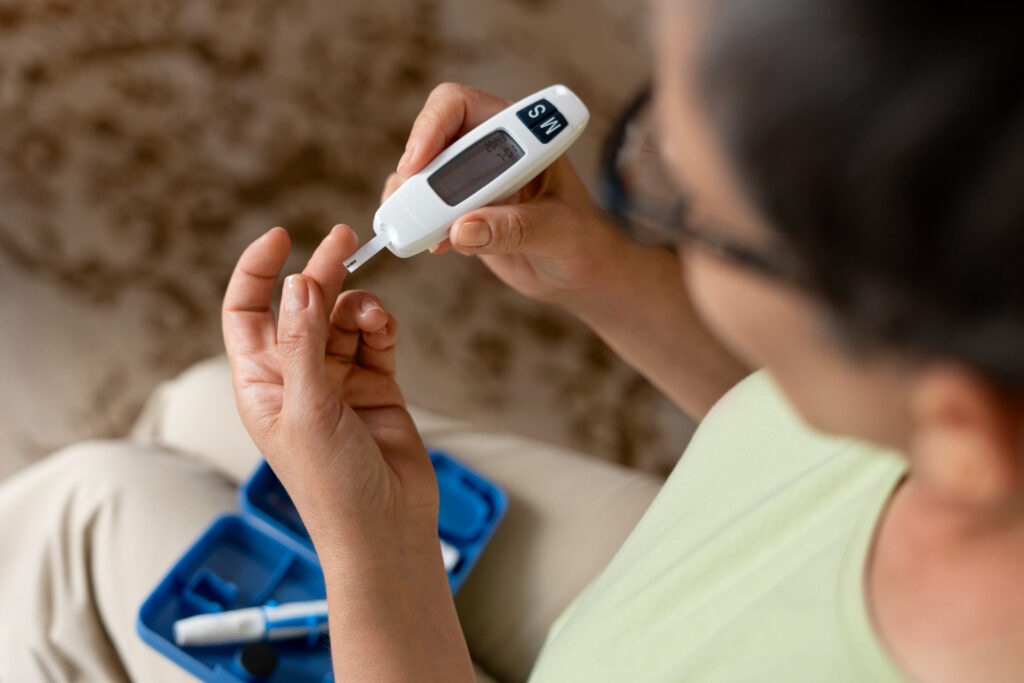
Most women are tested between 24 and 28 weeks with a glucose tolerance test (OGTT) or blood sugar check.
Don’t overlook it. It’s not just routine. It’s essential.
So please—if you’re pregnant, or know someone who is—get screened.
And if you’ve been diagnosed, breathe. There’s a way forward.
A Holistic Way to Manage Gestational Diabetes
When we work with gestational diabetes, we’re not just working with numbers on a blood test.
We’re working with a life growing within you, a hormonal system in flux, an emotional world that’s shifting daily, and a spiritual connection that deepens as you create life.
Here are a few tools to guide you back to balance:
Nutrition:
Nutrition isn’t about restriction. It’s about nourishment for you and your baby.
Here’s how we work with food during gestational diabetes:
- Choose low glycemic index (GI) foods like unpolished rice, millets, legumes
- Load every meal with fiber, such as salads or lightly steamed vegetables
- Include a source of good quality protein in each meal like eggs, A2 paneer, lentils, nuts, seeds
- Combine complex carbs with a good source of fiber and protein (e.g., brown rice + dal + veggies + ghee)
- Add good fats, such as ghee, cold-pressed oils, avocado, seeds
- Eat small, frequent meals to keep sugar levels stable
- Avoid fad diets, extreme calorie-cutting, or skipping meals—this stresses your system and the baby.
Be cautious with typical home remedies:
- Methi seeds can induce labor only in the final month, if at all, and in small amounts.
- Jamun vinegar may be helpful for sugar control in general, but avoid it during pregnancy due to high sodium, which can raise blood pressure.
Every food choice should be tailored to your body’s unique needs. This is bio-individuality—a principle we live by.
Movement:
Movement enhances insulin sensitivity, boosts circulation, and keeps your energy flowing.
- 10–15 minute walks after major meals—nothing fancy, just consistent
- Prenatal yoga or stretching 2–3 times a week (under expert guidance only)
- Housework, slow dancing, or mindful mobility—keep the body moving
- Avoid overtraining or anything that leaves you breathless or overly fatigued
Quality Sleep:
Inconsistent sleep can disturb insulin sensitivity. Deep, restful sleep helps regulate hormones, reduce stress, and restore balance.
- Aim for seven to nine hours of quality sleep at night.
- Take short naps during the day if needed.
- Avoid screens 30 minutes to an hour before bed; read something calming instead.
- Use lavender essential oil, gentle music, or Yoga Nidra to calm the mind.
Conscious Breathing:
If you’re stressed, your body releases cortisol, and cortisol pushes up your blood sugar. This is why I recommend:
- Deep belly breathing: Inhale for 4, exhale for 6, several rounds a day
- Yoga Nidra or guided meditations: 20 minutes can feel like 2 hours of rest
- Alternate nostril breathing (Anulom Vilom): Amazing for emotional and hormonal balance
- Make stillness a daily ritual—even if just 5–10 minutes
Emotional Well-being:
Pregnancy is not just physical. It’s emotional, mental, and deeply spiritual. Gestational diabetes can bring anxiety, fear, guilt—but I urge you: Shift the inner dialogue.
- Practice gratitude journaling—three things you’re thankful for daily
- Use affirmations:
- My body knows what to do.
- I am creating a healthy, safe space for my baby.
- I choose nourishment over fear.
- Connect spiritually—whether it’s prayer, chanting, or silent reflection
- Take time for self-care rituals: grounding walks, sunlight, talking to your baby
Be present with your food, your breath, your thoughts. And your body will take care of the rest.

When to Seek Help: Listen to Your Body, Not Just a Test
You don’t need to wait for a diagnosis to care for your health.
If you have risk factors like PCOS, a family history of diabetes, or excess weight, don’t wait for a lab report. Be proactive.
Here’s when you should seek support:
- You’re unsure what to eat or avoid
- You’re gaining too much weight too quickly
- You feel overwhelmed, anxious, or confused
- You want to prevent future complications for yourself and your baby
Don’t hesitate to reach out to a qualified healthcare provider or lifestyle coach who can guide you every step of the way.
Common Frequently Asked Questions about Gestational Diabetes
Q: What is the gestational diabetes mellitus definition?
A: Gestational diabetes mellitus is defined as high blood sugar levels that develop during pregnancy in women who haven’t previously been diagnosed with diabetes. It occurs due to hormonal changes that interfere with insulin function.
Q: Can gestational diabetes be reversed with lifestyle changes?
A: In many cases, yes. Through targeted nutrition, gentle movement, stress management, and quality sleep, many women successfully manage or even reverse gestational diabetes naturally.
Q: Is gestational diabetes the same as type 2 diabetes?
A: No. Gestational diabetes only occurs during pregnancy and typically resolves after childbirth, although it does increase the risk of developing type 2 diabetes later.
The Last Word
I always say, awareness is the first step toward healing.
Every mother deserves to feel empowered, not scared. And that comes through knowledge, early diagnosis of gestational diabetes, and a personalized approach rooted in lifestyle.
If you or someone you love is pregnant, please share this information. You never know whose life it might change—or even save.
Let’s remind every mother: You are not alone. You are strong. You’ve got this.
Whether you’ve been diagnosed with gestational diabetes or want to prevent it, you don’t have to walk this path alone.
We’re here to support YOU every step of the way.
Set up a one-on-one consultation with our integrative team or enroll in our specialized Pregnancy Care Program for personalized solutions that work for your unique body, lifestyle, and growing baby.
Reach out to us at 1800 102 0253 or write to us at [email protected].

Start Your Wellness Journey
Feeling inspired to take the next step in your wellness journey? Connect with us to explore how our tailored programs can support your health journey. Your transformation is just a conversation away.