
To be honest, I’m not a big fan of bread—unless it’s homemade and made with the right ingredients. The problem lies in what most of today’s bread has become: highly refined, over-processed, loaded with additives and preservatives, and often stripped of real nutrition.
But I get it. Bread is comforting. It’s culture. It’s quick. For many of us, it’s part of our daily routine—toast in the morning, sandwiches in the afternoon, maybe a warm roll with dinner.

But when it comes to bread choices—brown, white, or sourdough—it gets confusing.
You’ve probably heard this before:
- Brown bread is healthier than white bread.
- White bread is bad for you.
- Sourdough is trendy but overrated.
So what’s the truth?
- Is brown bread really better than white?
- Is sourdough bread healthy, or just another fad?
- And more importantly—which bread is healthier for you and your gut?
Here, I’ll break it down for you—no fear, no judgment, and no fluff. Just clarity.
We’ll uncover the facts behind the brown bread vs white bread debate, explore whether sourdough is healthier than white bread, and understand what really makes the best bread for health. Most importantly, you’ll learn how to spot the healthiest bread to eat, based on your body’s needs, not marketing gimmicks.
The Basics: What’s in Your Bread?
You know, when we pick up a loaf of bread, most of us look at the color, maybe the price… but rarely do we look at the ingredients list. And that’s where the story begins.
Because the truth is, not all bread is created equal. The kind of flour used, the method of preparation, the fermentation process (or lack of it)—all of these affect how your body digests that bread and what it does to your gut.
Let’s break it down.
1. White Bread
White bread is typically made from refined wheat flour, or maida, where the bran and germ—the most nutritious parts of the grain—are removed during milling. What you’re left with is mostly starch. It’s soft, fluffy, and addictive but low in fiber, vitamins, and minerals.
To make up for the nutrient loss, manufacturers often ‘enrich’ white bread synthetically with iron, folic acid, and B vitamins, but it’s not quite the same as getting nutrients from whole food sources.
Here’s the real concern:
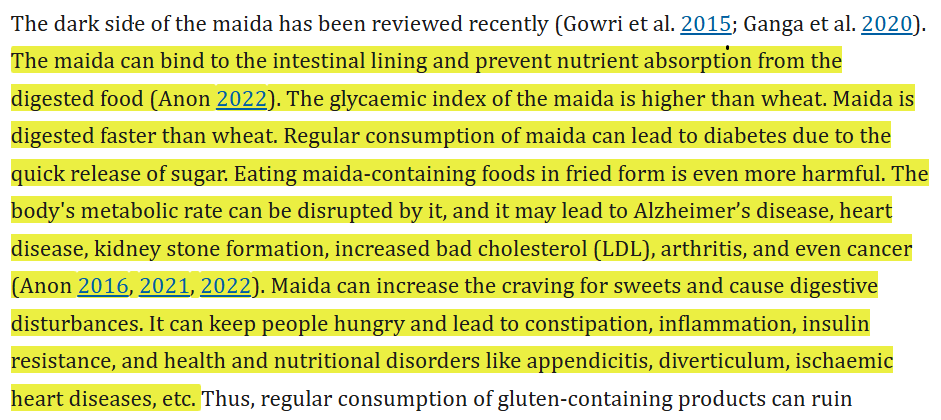
Refined flour breaks down rapidly in the gut, leading to a spike in blood sugar and feeding the wrong kinds of gut bacteria—particularly those linked to inflammation and metabolic disorders.
2. Brown Bread
Brown bread has built a reputation as the ‘healthier choice.’ But let’s pause here.
Here’s the industry trick:
Many commercial brown breads are just white bread dyed brown using caramel coloring, molasses, or malt. The label might say ‘wheat flour,’ but that doesn’t mean whole wheat.
If it doesn’t say ‘100% whole wheat flour’ as the first ingredient, it’s probably just refined flour in disguise.
And caramel coloring? It’s been under scrutiny too—some types like 4-methylimidazole (4-MEI) are potentially carcinogenic in high doses.
So, unless you’re reading the label closely, brown bread might be doing more harm than good, especially for your gut.
3. Sourdough
Now here’s where it gets exciting.
Sourdough is made through a natural fermentation process using wild yeast and lactic acid bacteria (especially Lactobacillus species). It doesn’t need commercial yeast or chemical preservatives. It’s just flour, water, salt, and time—often fermented for 12 to 24 hours or more.
Why does that matter?
Fermentation helps:
- Break down gluten and make it easier to digest
- Reduce anti-nutrients like phytic acid, allowing better absorption of iron, magnesium, and zinc
- Feed good gut bacteria, like Lactobacillus reuteri and Bifidobacteria, supporting a healthy gut environment
Sourdough fermentation leads to the production of short-chain fatty acids (SCFAs) like butyrate, which nourish your intestinal lining and reduce inflammation. (Source: Federica Mastrolonardo, Alice Costantini, et al. New fermented plant-based ingredients in sourdough breads enhanced nutritional value and impacted on gut microbiota, Future Foods, Volume 10, 2024, 100498, ISSN 2666-8335, https://doi.org/10.1016/j.fufo.2024.100498.)
Bonus: Sourdough has a lower glycemic index, which means it releases sugar slowly into the bloodstream, a win for people dealing with insulin resistance, PCOS, or type 2 diabetes.
So Why Does This All Matter?
The way bread is processed—from the milling of the grain to the fermentation method—impacts everything:
| Type of Bread | Processing | Nutrient Density | Gut Impact |
| White | Highly refined, chemically enriched | Low | Promotes inflammation, blood sugar spikes |
| Brown (Commercial) | Often refined + dyed | Misleading | May still feed bad bacteria |
| Sourdough | Naturally fermented, slow-risen | High (bioavailable nutrients) | Supports gut health, better digestion |
So next time you pick up a loaf, flip it around. The real story’s in the ingredients and labels behind—not the claim on the front.
Brown Bread vs White Bread: Busting the Myths
Let’s get real about this debate on brown bread vs. white bread—brown bread isn’t always better, and white bread isn’t always the villain.
You’d be surprised how many people proudly switch from white bread to brown bread thinking they’ve made a clean, healthy upgrade. I hear it all the time—
“Luke, I’ve quit white bread. Now I only eat brown bread. That’s better, right?”
But when we look at the label, here’s what we often find:
- First ingredient? Wheat flour (which usually means refined maida, not whole wheat)
- Second or third? Sugar or glucose syrup
- And somewhere down the list? Caramel color to give it that misleading ‘healthy brown’ look
The truth? Many popular brown breads are just white bread wearing a disguise.
Brown Bread is Always Healthy
This is one of the most misleading food marketing tactics out there. The color of your bread tells you nothing about its quality.
Many brown breads are just white bread in disguise—colored with caramel or molasses to look healthier. Again, I’ll repeat, unless the label says ‘100% whole wheat’ as the first ingredient, there’s a high chance you’re eating refined flour with a tan.
- A darker color ≠ whole grain
- Wheat flour ≠ whole wheat flour
- Multigrain ≠ healthy if it’s mostly maida with a few seeds sprinkled in
White Bread is Bad for Everyone
Let’s not demonize white bread entirely either. Yes, regular white bread made from maida is hard on your gut—but some white sourdoughs, especially the slow-fermented, artisanal kinds, can be gentler on digestion than commercial brown breads.
In fact, when people ask me, “Is sourdough bread healthy?” or “Which bread is healthier—brown bread or white bread or sourdough?” or “Which is the best bread for health?”, I always say:
It depends on how it’s made, not just how it looks.
So, Brown Bread vs White Bread: Which One is Healthier?
Let’s look beyond the myths and compare what matters:
| Feature | White Bread | Brown Bread |
| Fiber | Low | Can be moderate (if truly whole wheat) |
| Glycemic Index | High (spikes blood sugar fast) | Slightly lower (but not always significant) |
| Nutrient Density | Low | Moderate if not refined or colored |
| Satiety | Low | Depends on fiber and quality |
| Cravings | Can increase | Still possible if it’s just dyed white bread |
If you’re wondering “which bread is healthier” or “which is the best bread for health”, here’s the answer:
The one that’s closest to its natural form, minimally processed, and gentle on your gut.
Sourdough: The Gut-Friendly Contender
I’ve said this before—and I’ll say it again:
What’s fermented is often your friend.
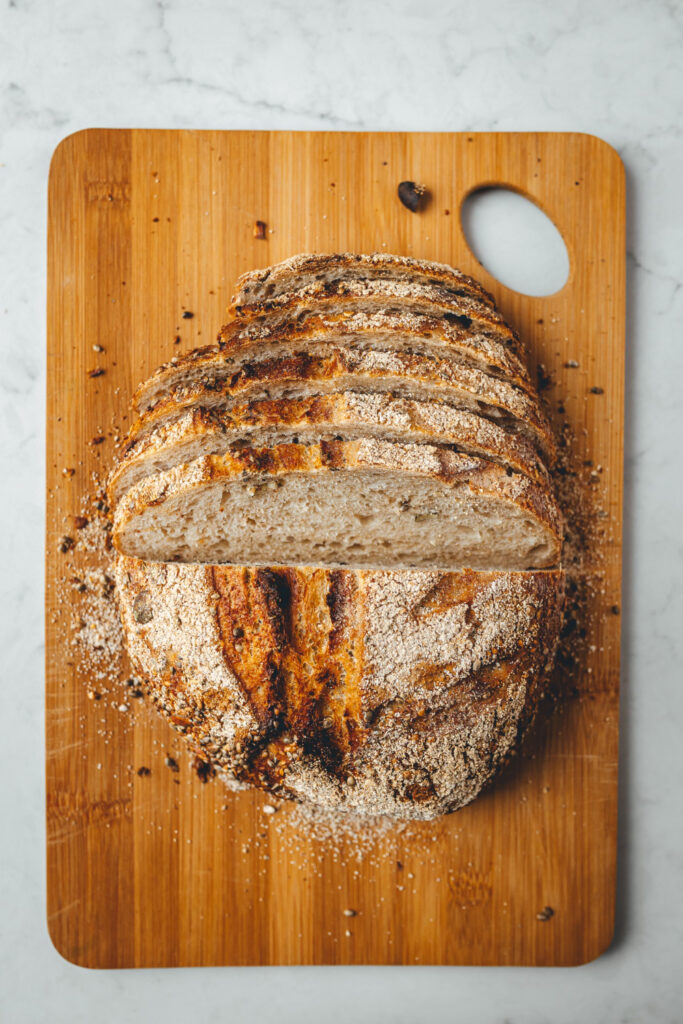
And when it comes to bread, sourdough is one of the better choices out there—if it’s made the right way.
We’re not talking about mass-produced sourdough-flavored bread here.
- We’re talking about the real deal—the kind of sourdough made with just flour, water, salt, and a natural starter.
- No yeast packets. No preservatives. No emulsifiers. Just time, microbes, and tradition.
So, is sourdough bread healthy?
Yes—especially if it’s traditionally made.
Here’s why sourdough stands out:
1. It’s gut-friendly by nature
Sourdough is fermented using wild yeast and lactic acid bacteria, especially Lactobacillus species. These friendly microbes break down gluten and predigest anti-nutrients like phytic acid, which can block mineral absorption.
So unlike most breads, sourdough actually helps your body absorb more nutrients like iron, magnesium, and zinc.
That’s a big win for your gut and overall immunity.
2. Natural prebiotics for your gut microbes
That fermentation process? It also produces natural prebiotics—the food your good gut bacteria love.
And when you support your gut microbes, you’re supporting everything from digestion to mental clarity, mood regulation, and even inflammation control.
This is something I always talk about: “Rebuild the gut, and the body will follow.”
3. Lower glycemic impact
Many people dealing with PCOS, diabetes, or insulin resistance ask: “Which bread is healthier for blood sugar?”
Sourdough is a strong contender because it doesn’t spike your blood sugar the way refined white or brown breads do. The slow fermentation breaks down the starches, leading to a lower glycemic response which means more stable energy, fewer crashes, and better metabolic health.
4. Easier to digest (for many)
A lot of people say they feel bloated or uncomfortable after eating bread but when they switch to real sourdough, those issues are reduced.
That’s because the fermentation breaks down some of the gluten and complex carbs, making it easier on the gut.
Important note: Sourdough is not gluten-free and not suitable for celiacs—but many people with gluten sensitivity or wheat intolerance tolerate sourdough better.
Let’s compare:
| Feature | White Bread | Brown Bread | Sourdough |
| Gut Health | Doesn’t support gut health | Depends on ingredients | Supports gut flora |
| Gluten Load | High | Moderate | Lower (due to fermentation) |
| Additives | Often | Often | Rare (if traditionally made) |
| Digestibility | Low | Variable | High (for most) |
If you’re asking, “Is sourdough bread healthier than white or brown bread?”—in most cases, yes. But only if it’s traditionally made. That means:
- Naturally fermented
- No artificial yeast
- No unnecessary additives
- Ideally made from whole or ancient grains
So, if you have access to a local bakery or can make it at home, give real sourdough a try. It’s one of those foods that truly lives up to the hype for your gut, energy, and digestion.
Which Bread is Healthier? Personalizing Your Choice
One question I get all the time is:
“Luke, which bread is the healthiest?”
And my answer? It depends.
There’s no one-size-fits-all. The healthiest bread is the one that your gut can handle, that supports your energy, and doesn’t leave you feeling bloated, fatigued, or craving more.
Ask yourself:
- Do you have gut issues, bloating, or dysbiosis?
- Are you insulin-resistant, diabetic, or managing polycystic ovary syndrome (PCOS)?
- Is your lifestyle active or mostly sedentary?
- Do you feel better without gluten or wheat?
Your answers guide your choice.
How to Read Bread Labels
Bread packaging can be very misleading—and I always say this: marketing is not nutrition.
You’ve got to learn how to read what matters—the ingredient list, not just the claims on the front.
Here’s how to do it, the conscious way:
Look for:
- 100% whole grain as the first ingredient
- Short ingredient lists (ideally 4–6 ingredients max)
- Traditional sourdough with ‘starter’ or ‘cultured flour’
Avoid:
- ‘Refined wheat flour,’ ‘maida,’ or ‘enriched wheat’
- Caramel coloring (E150), added sugar, dough softeners, or preservatives
- Words like ‘wheat flour’ (not the same as whole wheat)

Bread Smarter: Tips for Better Bread Habits
Look, bread doesn’t have to be your enemy. But the key is how and when you eat it.
Here’s how to make bread work with your body, not against it:
- Mind your portions: Stick to 1 or 2 slices, not half the loaf
- Pair wisely: Always combine with fiber (veggies), protein (eggs, hummus), or healthy fats (avocado, nut butter)
- Never make bread the whole meal: It’s just a base. Add real, whole foods for balance
- Support local or artisanal bakeries: Many now offer real sourdough, sprouted grain breads, or gluten-sensitive options
- Avoid daily dependence: Especially if you’re noticing bloating, brain fog, or sugar crashes after eating bread
You can try a traditional gem—Goan Poi bread. A legacy from the Portuguese, Poi was originally crafted by local poders (bakers) using whole wheat flour and added bran, giving it better nutritional value than most modern white loaves.
If you can get your hands on authentic Poi from a local Goan poder or learn to make it at home, it’s a beautiful, gut-friendly alternative worth exploring. Click here.
Eat the bread but be aware of your body’s feedback. If you feel sluggish, inflamed, or bloated after bread, it’s not working for you.
The Last Word
At the end of the day, bread is just bread—a food. It’s not good or bad until we look at how it’s made, how often we eat it, and how our body responds to it.
Some of you may do just fine with a slice of real sourdough or whole grain toast. Others may notice gut discomfort, fatigue, or skin flares, especially if there’s an underlying wheat sensitivity or allergy. And in those cases, it’s not about guilt, it’s about awareness.
My suggestion? Don’t make bread a staple just because it’s convenient.
Make it a conscious choice that supports your energy, gut, and goals.
You don’t have to fear bread. But you also don’t have to force it if your body says no.
Be educated, not influenced!
Frequently Asked Questions
Is brown bread really better than white bread?
Not always. Many brown breads are just white bread with caramel coloring. When comparing brown bread vs white bread, the key is ingredient quality—100% whole wheat is better, but avoid refined or colored versions pretending to be healthy.
Is sourdough bread healthy?
Yes—if it’s naturally fermented and traditionally made. Sourdough bread supports gut health, improves digestion, and has a lower glycemic index compared to white or brown bread. So yes, sourdough bread is healthy when made without additives or refined flour.
Which bread is healthier: sourdough, brown, or white?
Which bread is healthier depends on your body. Generally, sourdough is more gut-friendly due to fermentation. Brown bread is healthier only if it’s made from 100% whole grain. White bread is the least nutritious unless it’s fermented or made clean.
What is the best bread for health?
The best bread for health is one your gut tolerates well. Look for whole grains, minimal ingredients, or opt for sourdough. Avoid breads with refined flour, sugar, or preservatives—especially common in both white and commercial brown breads.
What’s the healthiest bread to eat daily?
The healthiest bread to eat daily is homemade or artisan sourdough, or bread made from ancient grains like spelt or khapli. It should have minimal ingredients, no refined flour, and support your digestion without causing bloating, fatigue, or cravings.
Disclaimer: This blog is for informational and educational purposes only. It is not intended to replace medical advice, diagnosis, or treatment. Always consult with a qualified healthcare professional or registered dietitian before making significant changes to your lifestyle, especially if you have food allergies, gluten sensitivity, celiac disease, or any underlying health condition.
Tired of feeling bloated, heavy, or sluggish after eating bread?
We’re here to support YOU every step of the way.
Set up a one-on-one consultation with our integrative team or enroll in our specialized Gut Care Program for personalized solutions.
Reach out to us at 1800 102 0253 or write to us at [email protected].

Start Your Wellness Journey
Feeling inspired to take the next step in your wellness journey? Connect with us to explore how our tailored programs can support your health journey. Your transformation is just a conversation away.