
I always say prevention is not expensive. This is true for your overall health, but especially for your kidneys.
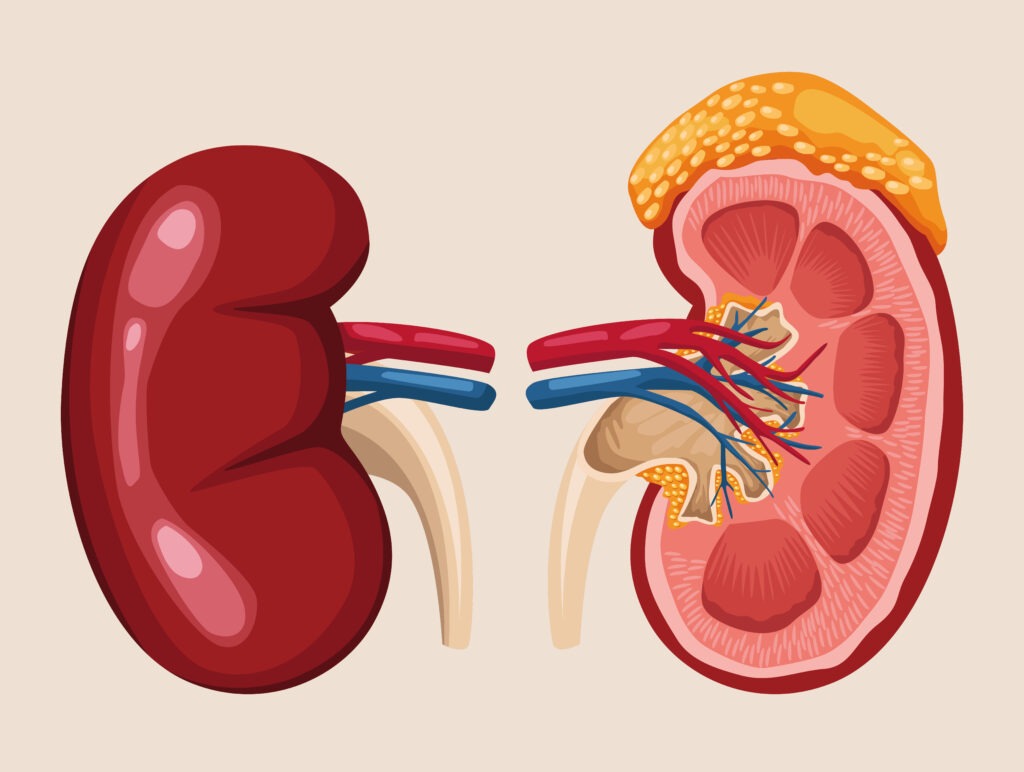
Your kidneys are silent workers—quietly filtering waste, balancing fluids, and supporting multiple vital functions without drawing much attention. And perhaps that’s why they’re so often neglected—until it’s too late.
Today, more than 850 million people worldwide are living with Chronic Kidney Disease (CKD), and alarmingly, it’s projected to become the fifth leading cause of years of life lost by 2040. (Source: Raghavan, Vasundhara1; Anandh, Urmila1,2. Journey of a Patient with CKD in India. Kidney360 4(5):p 684-686, May 2023. | DOI: 10.34067/KID.0000000000000124)
These aren’t just numbers—they’re a wake-up call.
The good news? Most cases of CKD can be prevented with simple, consistent lifestyle changes. Prevention doesn’t mean complex routines. It means doing the basics right—daily. And that’s exactly what we’re going to talk about.
We’ll explore how to boost kidney function naturally, cleanse kidneys through food and hydration, and overall kidney care practices that are easy to implement but powerful in impact. Because when it comes to kidney health, small, mindful choices can go a long way.
Why Does Kidney Care Matter?
When we think about vital organs in our body, the heart, brain, and lungs often come to mind. However, one organ that plays an equally crucial role is the kidney.
Your kidneys are responsible for so much more than just filtering waste. Let’s take a look at why kidney health is so essential, the signs to look out for, and how modern lifestyle habits may be putting unnecessary strain on them.
The Critical Role of Kidneys in Your Body
Your kidneys are essentially your body’s filtration system. They are responsible for:
- Cleansing blood: The kidneys filter out waste products and excess substances from the blood, which are then excreted as urine. Without proper kidney function, waste and toxins build up in the body, leading to potential illness.
- Regulating fluid and mineral balance: Kidneys help regulate your body’s levels of water, sodium, potassium, and other electrolytes. This balance is critical for normal body function. For example, if your kidneys fail to regulate sodium, it can cause high blood pressure or swelling in various parts of the body.
- Hormone production: Kidneys also produce important hormones. One of these hormones, erythropoietin, helps stimulate red blood cell production. They also produce hormones that regulate blood pressure and calcium absorption, which is crucial for bone health.
- pH regulation: Kidneys help maintain the right acid-base balance in your body by excreting or retaining acids and bases.
If you’re wondering how to boost kidney function naturally, it starts with supporting these vital roles through nutrition, hydration, and healthy habits.
In short, healthy kidneys support a balanced internal environment, vital for the body’s long-term well-being. When kidney function deteriorates, it can lead to a host of health issues that affect everything from your heart to your bones.
Signs of Kidney Dysfunction
Unfortunately, kidney disease often progresses silently, meaning you may not notice symptoms until it’s already quite advanced. That’s why it’s crucial to recognize the early warning signs:
- Fatigue and brain fog: When waste products and toxins accumulate in the body, it can lead to general fatigue and brain fog, leaving you feeling mentally clouded and sluggish.
- Swelling in the feet and hands: Your kidneys are responsible for removing excess fluids from the body. If they aren’t functioning properly, fluid can build up, causing swelling, especially in your feet and hands.
- Frequent or painful urination: Kidney problems often manifest in changes to your urination habits. You may feel the urge to urinate more frequently, especially at night, or experience pain during urination.
- High blood pressure: Kidneys play a vital role in regulating blood pressure. When kidney function declines, your blood pressure can rise, and this, in turn, can worsen kidney function, creating a dangerous cycle.
- Dark-colored or foamy urine: The color and consistency of your urine can indicate kidney problems. Dark or foamy urine may be a sign of protein in the urine, a common early warning of kidney disease.

The Impact of Modern Lifestyles on Kidney Health
In today’s fast-paced world, lifestyle habits are taking a toll on our kidney health. Processed foods, lack of hydration, and chronic stress all put an excessive strain on these essential organs.
- Processed foods: Highly processed and high-sodium foods are not only detrimental to your heart but also to your kidneys. They can contribute to high blood pressure, fluid retention, and kidney strain. Additionally, these foods often lack the necessary nutrients that support kidney function.
- Dehydration: The kidneys need adequate water intake to flush out waste and toxins from the body. Many people don’t drink enough water, which leads to dehydration and puts extra strain on the kidneys to do their job.
- Stress: Chronic stress can contribute to kidney dysfunction by raising blood pressure and affecting hormone levels. It can also lead to poor dietary choices, further harming kidney health.
One of the most powerful tools in kidney care is early detection.
Early Detection: Simple Tests That Can Save Your Kidneys
Kidney disease often progresses silently, without obvious symptoms until it’s quite advanced. Fortunately, modern diagnostic tools can catch early signs of trouble — giving you a head start in reversing or managing the condition before it worsens. Here are some of the most common and effective tests that help detect kidney issues early:
1. Glomerular Filtration Rate (GFR):
The GFR is a critical measure of how well your kidneys are working. It estimates how much blood your kidneys filter each minute.
- Normal GFR: 90 mL/min or higher is considered normal.
- Why it matters: A low GFR (especially below 60) can signal kidney disease, even if you feel fine.
- Action tip: Ask your doctor for a simple blood test to check your estimated GFR — especially if you have diabetes, high blood pressure, or a family history of kidney issues.
2. Urinalysis:
This simple test looks at the contents of your urine under a microscope or with a dipstick.
- What it can reveal: The presence of protein, red blood cells, or white blood cells, which are signs of kidney inflammation or damage.
- Why it matters: Persistent protein in urine (proteinuria) is often an early sign of kidney disease.
- Action tip: Include a urinalysis as part of your annual health check-up — especially if you’re over 40 or in a high-risk group.
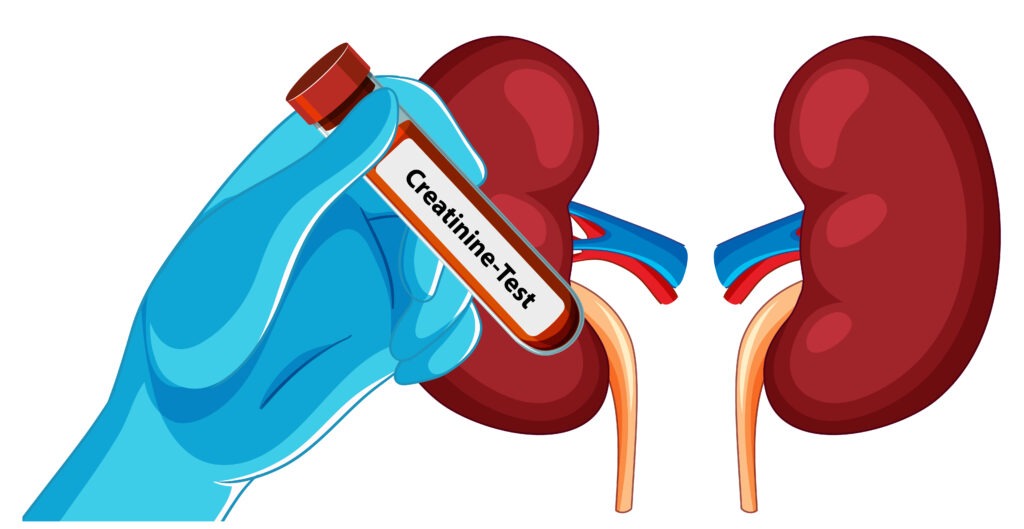
3. Blood Tests: Creatinine and BUN (Blood Urea Nitrogen):
These blood markers give valuable insight into how well your kidneys are clearing waste.
- Creatinine: A waste product from muscle activity. High levels may indicate reduced kidney filtration.
- BUN: Reflects the amount of urea nitrogen in your blood. Elevated levels suggest impaired kidney function or dehydration.
- Action tip: Get these tests done regularly, especially if you’re on medications that can affect the kidneys, or have a chronic condition.
4. Monitoring high blood pressure and type 2 diabetes:
Two of the most common causes of kidney damage are hypertension and diabetes.
- Why it matters: High blood sugar and high blood pressure silently damage the tiny blood vessels in the kidneys over time.
- Action tip: If you have either condition, routine checkups to manage your numbers can help prevent long-term kidney issues. Don’t wait until symptoms appear — prevention is always better than treatment.
Each of these tests plays a role in identifying kidney issues before symptoms appear. This is also where learning how to cleanse kidneys becomes preventive rather than reactive.
Kidney care isn’t complicated — it’s about consistency and awareness. When we know how to boost kidney function naturally, and how to cleanse kidneys through daily habits, we take a powerful step toward better health.
How to Cleanse Kidneys and Boost Kidney Function Naturally?
Our kidneys have a remarkable ability to repair, rejuvenate, and restore—if we support them right. Based on our 14 years of experience in lifestyle medicine and the latest science, here are powerful, natural ways to boost kidney function:
1. Stay hydrated the right way:
Why it matters: Water is the simplest, most powerful cleansing tool for your kidneys. It helps flush out toxins and supports optimal urine production. Hydration is the foundation of kidney care. One of the best ways to cleanse kidneys is by drinking water the right way.
- Coconut water is rich in potassium and helps prevent kidney stones (in moderation)
- Herbal teas assist in kidney care by helping cleanse and reduce water retention
- Avoid overhydration—yes, too much water can dilute electrolytes and stress the kidneys Let thirst be your guide unless advised otherwise by your doctor
Learning how to boost kidney function naturally starts with proper hydration.
Disclaimer: If you have fluid restrictions due to kidney concerns, always follow your healthcare provider’s instructions.
2. Eat kidney-friendly foods:
Nutrition is a powerful strategy for anyone searching for how to cleanse kidneys and promote kidney care.
Superfoods for your kidneys:
- Berries: Rich in antioxidants that reduce inflammation and oxidative stress
- Leafy greens: Offer magnesium and folate that support mineral balance—but go easy if you have high oxalate sensitivity
- Garlic & onions: Natural anti-inflammatories and blood pressure regulators
- Pumpkin seeds: High in magnesium and zinc; excellent for electrolyte balance
Foods to avoid:
- Processed salt and sodium-laden packaged foods
- Artificial sweeteners: Linked with inflammation and metabolic issues
- Oxalate-heavy foods like spinach (in excess)
- Red meat: High quantities can increase uric acid and worsen kidney load
Tip: Keep your plate colorful, simple, and as close to nature as possible. Avoid ingredients that don’t suit you. If you have an ailment or are undergoing treatment, always keep your doctor in the loop before trying anything new.

3. Reduce sodium & maintain electrolyte balance:
Why it matters: Excess sodium retains water and spikes blood pressure, directly burdening your kidneys. Eating high-sodium foods disrupts kidney care and damages filtration.
Simple ways to fix this:
- Use rock salt, Himalayan pink salt, or sea salt in moderation (max 1/2–1 tsp/day). Understand what suits you from your nutritionist and doctor.
- Eat whole foods instead of packaged items—most sodium sneaks in through hidden preservatives
- Focus on potassium-rich foods (like bananas, sweet potatoes, coconut water) and magnesium sources (pumpkin seeds, leafy greens, cacao)
This is another effective method on how to cleanse kidneys and support long-term health.
Be cautious if you have chronic kidney disease (CKD)—always personalize your electrolyte intake under guidance.
4. Improve gut health & reduce inflammation:
The gut-kidney axis is crucial in kidney care. An inflamed gut produces harmful metabolites that enter the bloodstream and eventually burden the kidneys.
- Include fermented foods like homemade curd, sauerkraut, kanji, and kimchi
- Get enough fiber from fruits, veggies, whole grains, and psyllium husk
- Consider a probiotic supplement or natural prebiotic foods like bananas, onions, and garlic (always take probiotics under professional guidance for safe and effective use)
- Reduce sugar, ultra-processed food, and alcohol—these feed bad gut bacteria and promote inflammation
If you’re looking for how to boost kidney function naturally, focus on your gut too.
5. Avoid toxin load-ons that burden the kidneys:
Supporting your body with low toxin exposure is key to cleansing kidneys and protecting them from damage.
- Regular use of painkillers
- Processed and junk foods
- Excessive alcohol and caffeine
- Hidden heavy metals in tap water, non-stick cookware, and some seafood (like tuna or swordfish)
6. Manage blood sugar & blood pressure naturally:
High blood sugar and uncontrolled blood pressure are the top two causes of kidney disease worldwide.
- Include low-glycemic foods: Millets, legumes, fiber-rich vegetables
- Engage in daily movement: Even a brisk 30-minute walk helps regulate insulin and pressure
- Use stress-reducing tools: Breathwork, meditation, and gratitude journaling
- Monitor levels regularly: Don’t wait for symptoms to show up
This combination is a powerful tool if you’re wondering how to boost kidney function naturally and live preventively.
7. Simple lifestyle habits to support kidney health:
Your lifestyle can either regenerate or degenerate your kidneys. Here’s how to build it right:
a. Move daily:
- Walking, cycling, swimming, or yoga boosts circulation and supports kidney care
- Yoga poses like Bhujangasana (Cobra Pose) and Ardha Matsyendrasana (Half Twist) help stimulate kidney function (understand what truly suits you–with the right professional guidance)
b. Prioritize sleep:
Restful sleep enhances angiogenesis and supports healing.
- Keep your bedroom dark and gadget-free
- Sleep and wake up at consistent times
- Avoid meals late at night
- Try the 4-7-8 breathing method to wind down
Explore more tips for a restful and deep sleep.
c. Manage stress:
Chronic stress raises cortisol, reducing the kidney filtration rate.
- Pranayama, mindfulness, time in nature
- Hobbies, pets, family time, or even simple grounding like walking barefoot on grass
Here are a few more strategies to manage stress.
These habits reinforce how to boost kidney function naturally and prevent chronic issues.
8. Angiogenesis:
Many forget the role of blood vessel regeneration (angiogenesis) in kidney health. VEGF (vascular endothelial growth factor) is critical for keeping kidney tissues oxygenated and healthy.
- Eat antioxidant-rich foods: beetroot, pomegranate, green tea, turmeric, apples, and broccoli
- Get quality sleep and manage stress—they directly influence VEGF levels
- Maintain active circulation through daily movement
This is a lesser-known but powerful tip for those learning how to cleanse kidneys at the cellular level.
9. Integrative approach to kidney care:
We always believe in addressing root-causes, not just symptom suppression. That’s where integrative and lifestyle medicine plays a transformative role. Our approach focuses on six pillars of lifestyle:
- Balanced cellular nutrition
- Exercise
- Sleep
- Emotional health
- Spiritual reconnection
- Breath
When people ask me how to boost kidney function naturally, I always recommend an integrative, lifestyle-driven approach.
Disclaimer: Integrative medicine is not a replacement but works in conjunction with your ongoing treatment to help manage your condition effectively. Please consult with qualified healthcare professionals and follow their guidance for the best outcomes in your healthcare journey.
Love your kidneys back to health…
In conclusion, supporting your kidney health doesn’t require drastic changes—just small, consistent steps that focus on how to boost kidney function naturally, how to cleanse kidneys, and holistic kidney care through hydration, nutrition, and mindful lifestyle habits.
Remember, it’s not about quick fixes, but about creating sustainable habits that nurture your body and its essential organs. Your kidneys work hard for you every day—give them the care they deserve.
By making these small, daily changes, you’ll be on the path to long-term kidney health and overall well-being. Keep taking care of yourself—your kidneys will thank you for it.
Disclaimer: The information provided in this blog is for educational purposes only and should not be considered medical advice. It is crucial to consult with a qualified healthcare professional for personalized guidance on your health and any ongoing treatments or medications. This course does not imply self-treatment or self-medication.
Ready to take the next step in your kidney care journey?
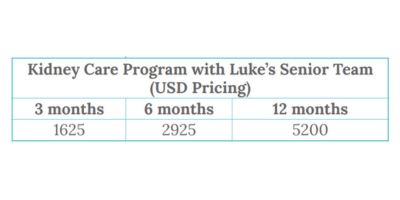
Set up a one-on-one consultation with our integrative team or explore our Kidney Care Program to get the personalized support you need.
Reach out to us at 1800 102 0253 or write to us at [email protected].

Start Your Wellness Journey
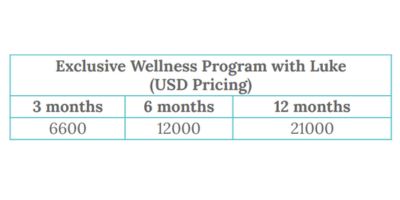
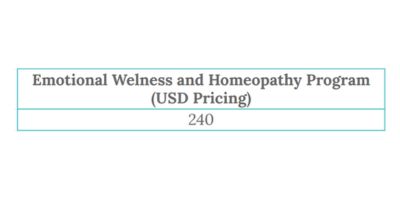
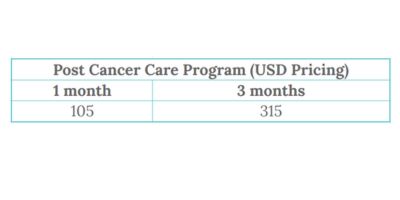
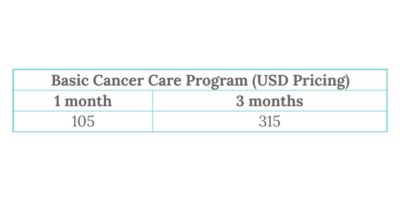
Feeling inspired to take the next step in your wellness journey? Connect with us to explore how our tailored programs can support your health journey. Your transformation is just a conversation away.