For the longest time, most of us were made to believe that breakfast is the most important meal of the day. Most of us were brainwashed to believe that eating breakfast would increase the chance of weight loss, or that skipping breakfast leads to poor metabolism and fatigue.
I am guilty of believing that breakfast is the most important meal of the day, too, because it is what we learned and preached for many years until our learnings with thousands of patients on our holistic wellness programs across the world helped us decode the big breakfast myth.
We need to first begin by understanding that there have been certain mindsets that we have all molded over the years, and sometimes we need to challenge and break them. When I say that breakfast is NOT the most important meal of the day, this doesn’t have to be the same for everyone. Each of us is a bio-individual which means we are all unique. What works for one person doesn’t have to work for someone else. The needs of our bodies vary.
Like I always say, use logic with a high dose of other important Vitamin C, which is nothing but common sense when it comes to yourself. Just because I am saying breakfast isn’t the most important meal of the day, doesn’t mean that everyone must stop eating breakfast. Do what works for you.
What makes me think that breakfast is NOT the most important meal of the day?
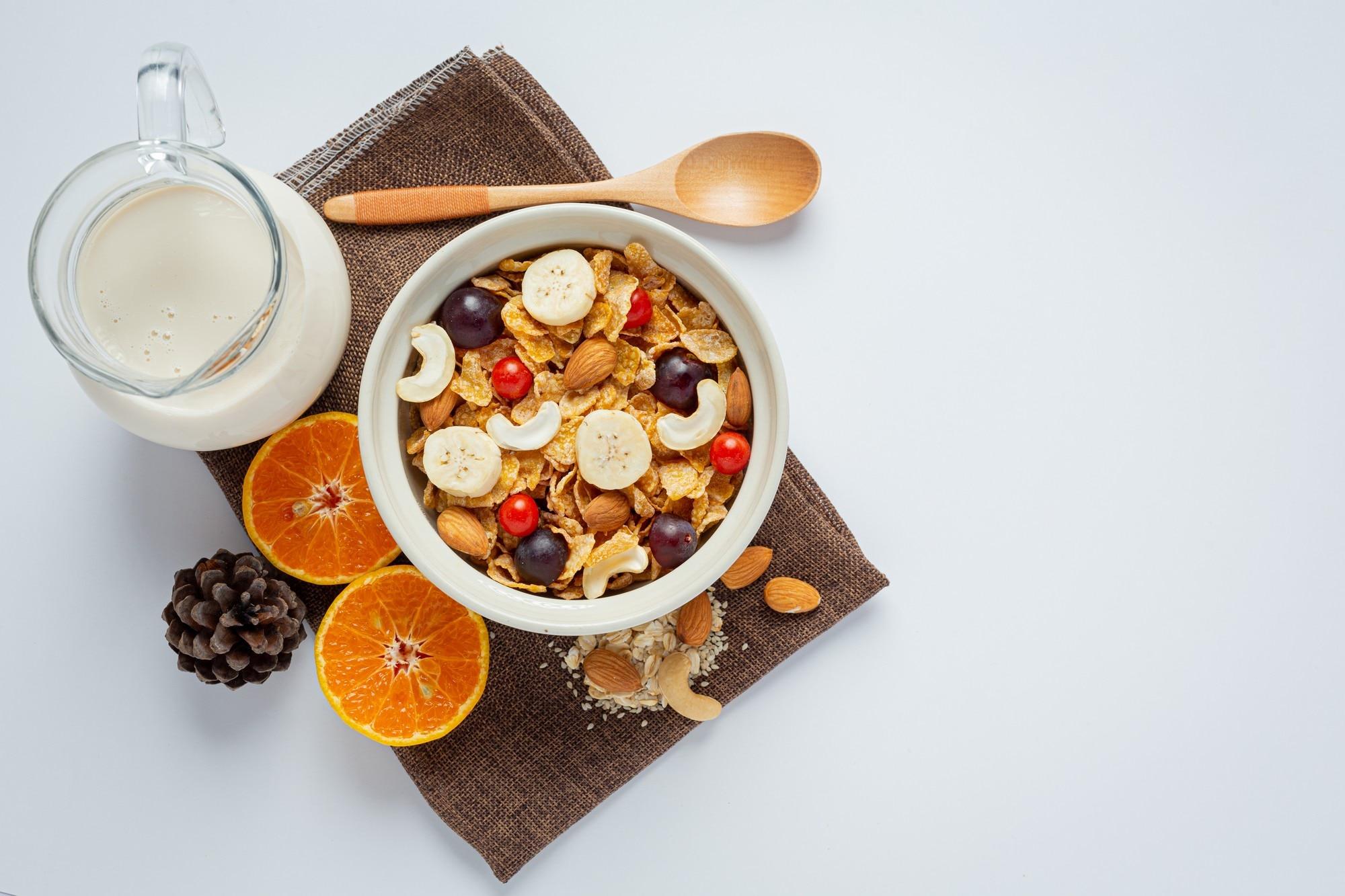
I started challenging this when I realized that there were clients who brought their kids and would force them to eat their breakfast even when the child was just not hungry in the morning. They woke up and they didn’t have an appetite. One thing you must know is that when we force-feed ourselves when not hungry, it puts an intense burden on our digestive system. We have to produce more acid and digestive enzymes to break the food down. And most importantly, this goes against the natural cycle of the body.
We should not overfeed or overstuff ourselves, but because it is drilled into our heads that breakfast is the most important meal of the day, we wake up with that routine every day, sit down and eat our breakfast by habit, even if we are not hungry.
Learn from the kids
Let’s speak about children. They are very intuitive. They know what they want and when they want it. Most kids across the world do not wake up hungry. Yes, of course, some kids wake up hungry every single morning and they need breakfast and they must have breakfast. It’s the same thing with adults. Some adults wake up ravenous. So if you are none of them, eat your breakfast. But this isn’t true for a large population. Many people are forcing themselves to eat breakfast when they are not hungry. And I want you to understand that it is not mandatory to do that anymore. In fact, many children naturally skip breakfast; intermittent fasting seems to be built into their intuitive routines. For some children, skipping breakfast leads to better digestive comfort and less bloating throughout the day.
Most parents are worried about their children. They feed them more because they want them to grow but please understand that feeding your children more food will not help them grow more. Feeding your children at the right time with nutrient-dense foods will help them grow.
If you are eating when not hungry you are upsetting a natural cleanse
When you are not hungry in the morning, it means that your body is still in its clean-up process. It’s still carrying out detoxification, repair, growth, and other related functions. When it needs food or enters the building or feeding phase – it will ask you for food by stimulating your appetite.
Your appetite is the mechanism that tells you when to feed and when to stop feeding. When your appetite is low, you are not meant to eat. When your appetite is high, your body will give you biofeedback. Skipping breakfast may lead to a more natural shift into the feeding phase, when the body is truly ready. So stay in tune with the signals of your body. For some, this signal may come at midday or mid-morning.
Decoding the agenda of food lobbyists and cereal companies
Today most of the curriculum being studied in the nutrition and dietetics industry is being funded by food lobbyists and big cereal companies. If you dive deep into history, you will realize why breakfast cereal companies insist that breakfast is the most important meal of today because that’s how you sell breakfast products.
Should I or should I not eat breakfast?
This is not a question for me to answer. Ask yourself this. If you do not wake up hungry in the morning, don’t eat. If you do, please eat. Many people unknowingly skip breakfast. Intermittent fasting becomes a lifestyle when it aligns with their hunger signals. For some adults, especially those who overeat at night, skipping breakfast leads to better portion control during the rest of the day.
Still wondering whether to skip breakfast, good or bad? The answer depends entirely on your body’s signals, lifestyle, and health condition. There’s no one-size-fits-all approach.
Differentiate between physical and emotional hunger
You need to understand the difference between physical hunger and emotional hunger. Some people eat more when stressed. On the other hand, we also have people who have no appetite when stressed. Demarcate what is physical versus emotional hunger. Similarly, sometimes your body may cut down your appetite when sick. Take these symptoms and signals into consideration.
Dropping truth bombs
I have parents reaching out to me asking, “What will happen if I don’t feed my kid in the morning if they are not hungry?”
Nothing. They are just going to have a better school snack or a heavier lunch and it is perfect. But when the body is in its detoxification mode, your appetite is shut off. Forcing food in this state can be counterproductive. In contrast, skipping breakfast leads to continued cellular repair, improved focus, and natural appetite regulation in many individuals. Additionally, in many cases, skipping breakfast leads to better blood sugar regulation and enhanced cognitive function. Do not feed yourself more because you will interfere with that ongoing process. It is what makes intermittent fasting beautiful.
Most children already skip breakfast. Intermittent fasting naturally becomes part of their schedule without conscious planning. Children who go to sleep by 7 or 8 PM and have breakfast in the morning have already built almost a 12-hour mechanism of natural fasting. And you will find that kids don’t have to eat as much as we do. But we force them as adults to eat as much as we do. It does not and should not work like that.
Most parents today are worried about the growth of their children. Know that growth happens when they are in a fasted state when they are sleeping which is when they are not eating. So if your body or your child’s body is automatically extending the fasting phase, something good is happening for both of you.
The real question is never simply: skip breakfast, good or bad—but rather, is your body asking for food, or are you eating by habit?
Kids do not need constant snacking or grazing in between their day.
They need to have that three main meals, or two main meals with one mid-morning snack or a mid-evening snack, depending on the cycle of your child’s lifestyle, school timings, eating timings, and sleeping schedule. Just because we have got inside this rigid mechanism of eating every 2.5 to 3.5, it doesn’t mean our kids have to follow it. When our body tells us we are hungry, we eat. When it tells us to stop, we stop eating. It is simple science.
But if you keep long gaps between your meals because you prioritize work or socializing, stop it. Why? You are ignoring your hunger cues, and it is likely to make you feel highly acidic.
The beauty of intermittent fasting
Contrary to old beliefs, skipping breakfast may lead to increased energy in many people, not fatigue, when the body adapts well. Many people who skip breakfast find intermittent fasting aligns beautifully with their body’s needs and energy cycles. Because you don’t have to wake up and have breakfast. If you finish an early dinner, you will easily build 12, 13, 14, 15, or even 16 hours of a natural fast. In this fasting period, your body does all the magic. Your appetite and cravings are curbed and your energy levels improve.
How will my child be able to concentrate if they don’t eat breakfast?

Most parents believe that their children will lose focus and concentration if they skip breakfast. Let me tell you, most children today with ADHD and concentration issues who feel lethargic during classrooms eat breakfasts that are too carb heavy. Too much honey, maple syrup, jam, bread, and high starchy carbohydrate food. What happens is that they have a spike in their energy and then a big slump leading to lethargy. Ironically, skipping breakfast may lead to better energy stability in many children compared to eating a sugar-loaded breakfast, as long as it aligns with their natural hunger.
In comparison, children or adults who skip breakfast when not hungry and eat only when they are hungry have sky-high energy and concentration levels, until the time their body demands food. Not having breakfast may also save a lot of time and a lot of stress for parents around the world. You could use that time for meditation, workout, and spending quality time with your kids.
You don’t have to force-feed them. I have witnessed parents running with a bowl of cereal right until their kids are in the car or getting into the school bus. Do you think any of their food is going to be digested?
Your child’s moving, they are stressed, running, and you’re feeding them. It is useless. That food is doing nothing for your child. They have to eat it in a relaxed state to aid assimilation and digestion. If this is not the case, they’d rather not eat. A well-balanced diet doesn’t require eating constantly. Some children who skip breakfast through this natural intermittent fasting still show optimal focus and performance.
If not breakfast, which is the most important meal of the day?
There is no most important meal of the day. It is all about how you do each meal. For instance, your dinner should be light and early. Whereas, when you look at your lunch, you can get away with a beautiful heavy lunch in the right quantity. Why? Because at midday, your metabolic activity is at its highest. The metabolic fire in you that breaks this food down and aids its digestion, assimilation, and absorption is at its peak. So, yes, you can get away with even throwing a dessert in at lunch. Lunch is the best time to have a dessert because your body is better equipped to digest it.
As you move towards your dinner, your body moves from feed and breed to rest and digest mode which is why we focus on keeping it light. But keeping it light doesn’t mean you nibble like a bird. Maintain a combination of the right amount of protein and fat, and go lower in the carbs because we don’t need that extra energy towards night time. Of course, if you are out partying and socializing, you are better off eating a normal dinner because you will need those carbs, or else you may get hungry. So, there is no right or wrong for everyone.
Whether skipping breakfast is good or bad depends on your unique context. It’s about choosing what supports your energy, digestion, and mental clarity—not about following a generalized rule. For people who are hungry in the morning, please eat breakfast. But do not force the people who are not hungry to eat breakfast because you are trying to force-fit them. No one shoe fits all. Every human being is different. We cannot follow one mechanism to define the biology, chemistry, and physiology of the human body.
No longer is breakfast the most important meal of the day if it doesn’t suit you. If you need breakfast, eat it. If you don’t, build a beautiful fasting cycle. Eat only when your body tells you to break the fast.
The bottom line
You follow your cycle of eating. If you choose to skip breakfast, intermittent fasting can be a powerful, science-backed approach—only if it works for your body. If you are mindful, your body will tell you exactly when to eat and when not to. If you are hungry go ahead and have a beautiful breakfast that has good-quality carbohydrates, fats, and proteins. If practiced correctly, skipping breakfast through intermittent fasting may offer long-term benefits like improved digestion, reduced inflammation, and better metabolic balance.
Don’t compare yourself or your children with others. Some people who have physically demanding jobs may need breakfast in the morning. Similarly, people who have mentally demanding jobs may also need breakfast because when we use mental power, we need carbohydrates and energy from them. Don’t fear that skipping breakfast leads to nutrient deficiencies—what matters is the quality and timing of your other meals. If it suits you, do it. If it doesn’t, just don’t.
If you’re still debating whether skipping breakfast is good or bad, ask yourself: Am I eating to nourish, or just to follow an outdated rule?
ALSO WATCH: Episode 440 – Decoding the Myths Around Breakfast
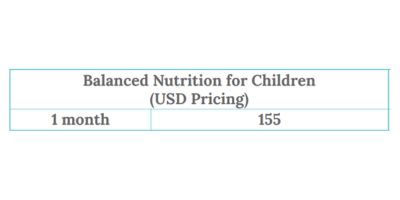
Looking for a personalized program for your child’s nutritional needs? Our Balanced Nutrition Program for Children under You Care Wellness, helmed by our skilled meal planning experts puts together wholesome, nutritious, balanced, and kid-friendly meal plans for children between the age of 1 and 16. Our meal planning analyst will create customized food plans keeping your child’s age, school timings, allergies, and other factors in mind.
This online program is open to everyone across the globe. Know more here.
RELATED READINGS
Are You Drinking Water Right or Wrong? Find Out
15+ Thermogenic Foods That Can Help You Burn Fat
3 Quick and Easy Concoctions By Our Experts For A Natural Cleanse

Start Your Wellness Journey
Feeling inspired to take the next step in your wellness journey? Connect with us to explore how our tailored programs can support your health journey. Your transformation is just a conversation away.