When did cholesterol become the villain?
We’ve all seen it—food labels shouting ‘cholesterol-free’, headlines blaming it for heart attacks, and prescriptions handed out without much conversation. But here’s the truth: your body actually needs cholesterol.
Yes, really.
Cholesterol plays a critical role in building cells, making hormones like estrogen and testosterone, helping your brain function, and even producing Vitamin D. It’s not the problem—confusion around it is.
Let’s simplify things.
You’ve probably heard of HDL and LDL. HDL (High-Density Lipoprotein) is often called the ‘good’ cholesterol—it helps carry excess cholesterol away from your arteries to the liver for removal. LDL (Low-Density Lipoprotein) is labeled ‘bad’ because when it’s oxidized or in excess, it can deposit in your arteries, contributing to plaque buildup. And then there’s triglycerides—another type of fat that, when elevated, also increases cardiovascular risk.
But these aren’t just numbers on a report. They’re part of your body’s dynamic system—one that responds to your food, stress, sleep, and more.
So before we blame cholesterol, let’s ask: what’s throwing it off balance?
That’s the conversation we’ll have today.
What Is Cholesterol, Really? And Why Balance Matters
Let’s take the fear out of the word cholesterol for a moment.
Cholesterol isn’t a villain—it’s a waxy, fat-like substance that your body actually produces on its own because it needs it. It plays several important roles:
- Helps in the production of hormones
- Aids in Vitamin D synthesis
- Supports cell membrane structure and function
Yes, your body makes cholesterol because it’s vital for basic survival.
HDL vs. LDL: Not Good vs. Bad—Just Different Roles
We often hear about ‘good’ and ‘bad’ cholesterol, but let’s look deeper:
- HDL (High-Density Lipoprotein): Think of this as the cleanup crew. It carries excess cholesterol from your bloodstream back to the liver to be processed or excreted.
- LDL (Low-Density Lipoprotein): This type delivers cholesterol to cells that need it. It becomes problematic only when levels are too high or when it becomes oxidized—then it may contribute to plaque buildup in your arteries.
So it’s not a battle between good and bad—what matters is how balanced these levels are, and whether inflammation is in the picture.
Why Testing Matters
If you’ve only ever checked your total cholesterol, you may be missing the bigger picture. A comprehensive lipid panel includes:
- HDL and LDL levels
- Triglycerides
- Total cholesterol-to-HDL ratio
- Inflammation markers like hs-CRP

Understanding these numbers helps you work with your body—not against it. Because cholesterol management isn’t about panic—it’s about precision, context, and care.
What Raises Cholesterol—and How to Lower It Naturally with Lifestyle Changes
Let’s move beyond food labels for a second. What actually raises cholesterol?
It’s not just that extra spoon of ghee or your favourite paneer dish. In fact, many hidden culprits don’t sit on your plate—they live in your lifestyle.
Hidden Triggers That Can Raise Cholesterol:
- Lack of quality sleep: Disrupts liver function and hormonal balance
- Refined sugar and processed foods: Create metabolic dysfunction, not just weight gain
- Trans fats: Found in packaged snacks, baked goods, and some restaurant foods—these directly impact your lipid profile
- Sedentary habits: Inactivity reduces HDL (the “clean-up” crew) and impairs fat metabolism
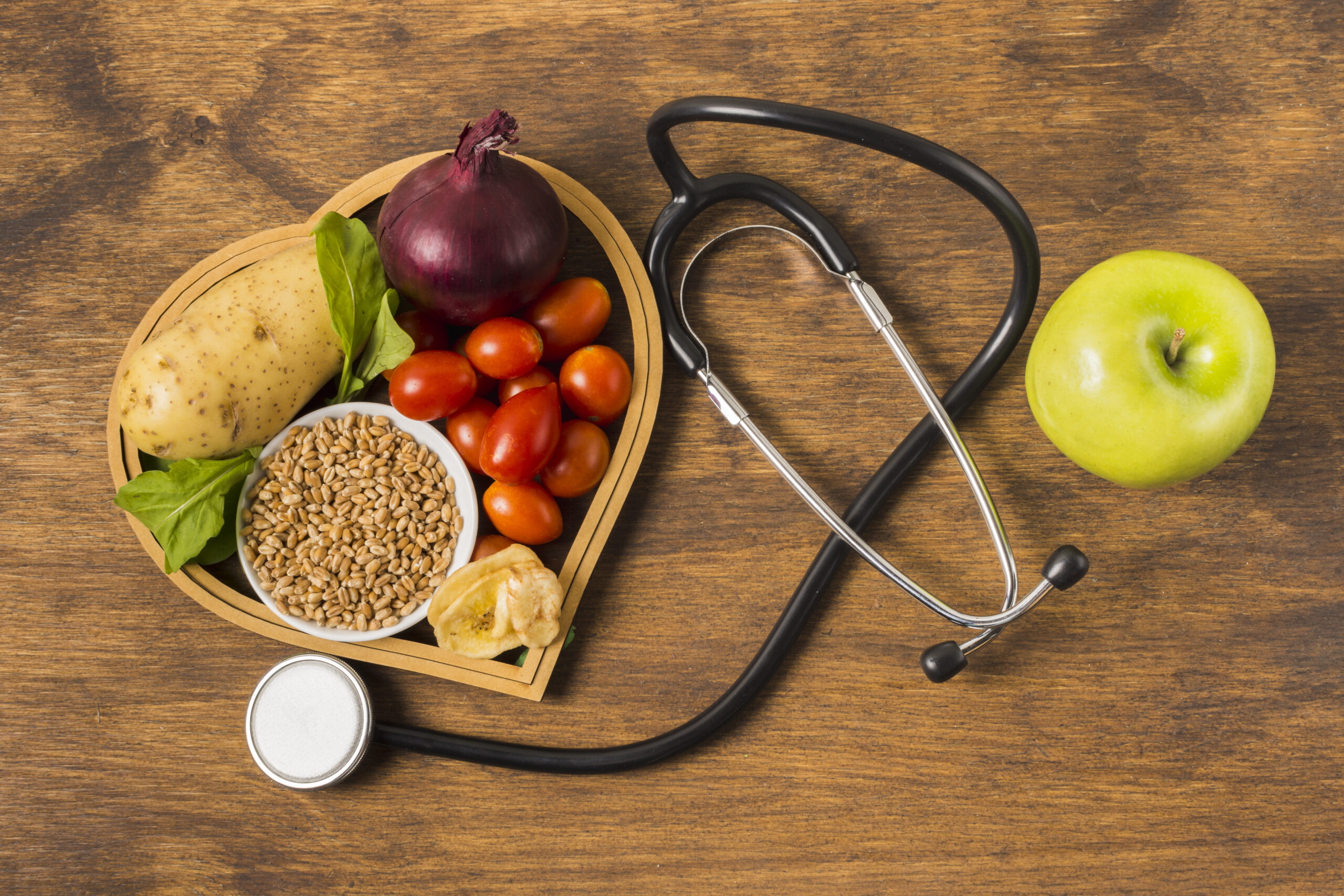
Now here’s the part most people miss: your liver and gut health play central roles in managing cholesterol. The liver makes and recycles cholesterol. The gut regulates absorption and elimination. When either is compromised—due to poor digestion, inflammation, or toxin overload—cholesterol levels can become distorted.
That’s why lifestyle changes to lower cholesterol matter so much more than a prescription alone.
Yes, statins and cholesterol-lowering pills may have a place, especially in high-risk cases. But for most people, the first approach should be this: lower cholesterol naturally through consistent, sustainable changes in how you eat, move, rest, and live.
Let your habits combined with your meds do the job.
Top Food for Lower Cholesterol: What to Eat and What to Avoid
If you’re serious about lowering cholesterol naturally, your plate is one of your most powerful tools.
But here’s the twist—it’s not about avoiding fat. It’s about choosing the right kind of fat. And fiber. And flavonoids.
So what does food for lower cholesterol actually look like?
Foods to Include
These nourish your gut, support liver function, and help your body manage fat and inflammation more efficiently:
Soluble Fiber Champions
Oats, flaxseeds, apples, psyllium husk – These bind excess cholesterol in your digestive tract and help flush it out. Think of them as your internal brooms.
Healthy Fats That Heal
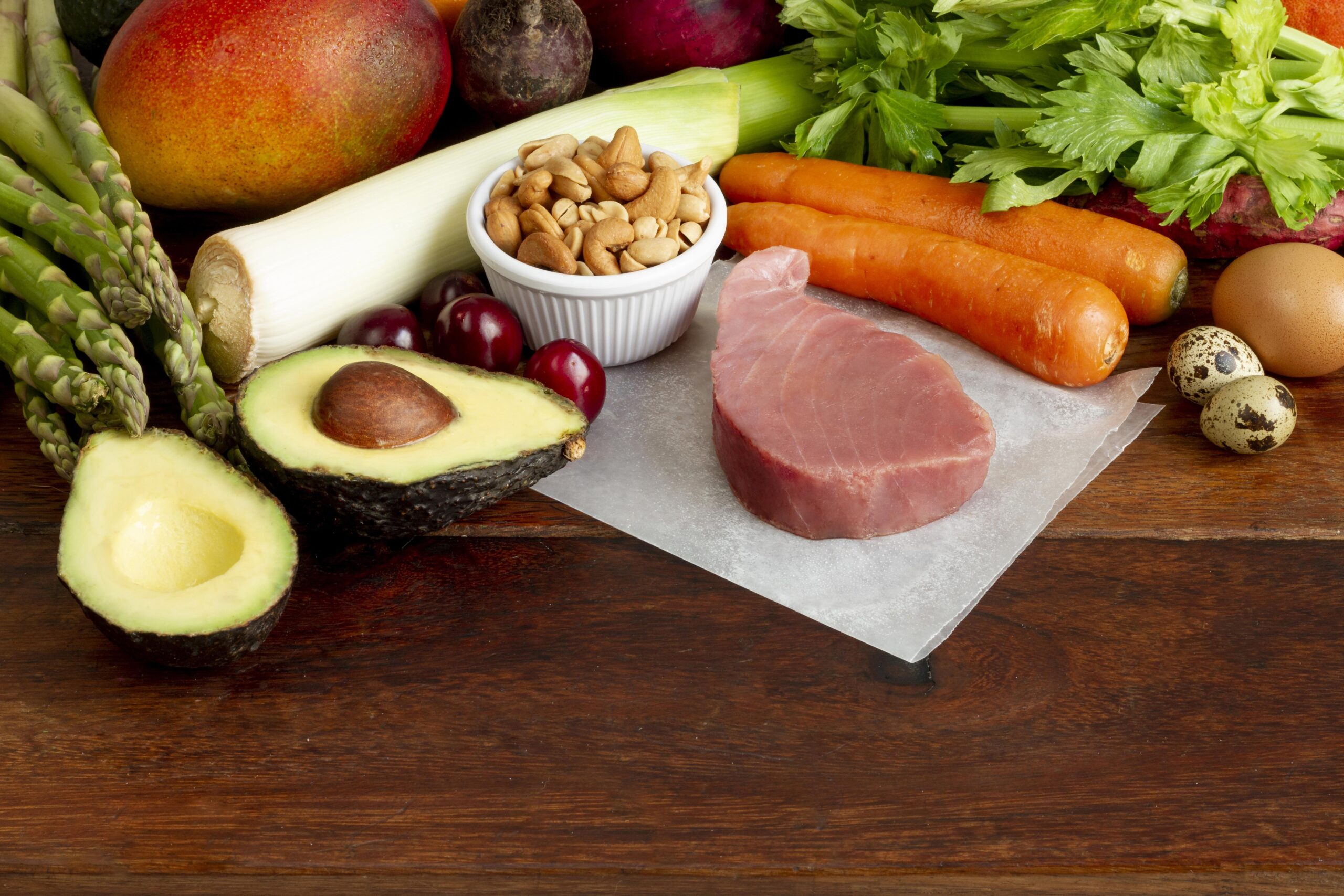
Avocado, nuts, seeds, extra virgin olive oil – These support HDL (the cholesterol that helps clean up your arteries) and reduce inflammation.
Plant Sterols and Flavonoids
Legumes, green tea, turmeric – Plant sterols compete with cholesterol for absorption. Meanwhile, flavonoids calm inflammation and protect your blood vessels.
Omega-3 Rich Foods
Fatty fish (like salmon), chia seeds, walnuts – These are anti-inflammatory, support heart health, and help maintain healthy triglyceride levels.
Foods to Limit
Some foods don’t just nudge your numbers—they throw them off entirely:
Processed Sugar – It spikes insulin and promotes fat storage, including cholesterol synthesis in the liver.
Refined Seed Oils – Common in most packaged foods and restaurant meals—these are inflammatory and destabilize cholesterol ratios.
Trans Fats – Found in baked goods, fried fast foods, and margarine. These raise LDL, lower HDL, and wreak havoc on your arteries.
The takeaway? You don’t need a rigid ‘cholesterol diet.’ You need smart food swaps, cooked at home, eaten in peace, and tailored to your lifestyle.
Food is a powerful medicine when you know what to choose.
Eating Habits That Support Cholesterol Balance
It’s not just what you eat—it’s how and when you eat that shapes your cholesterol profile.
Our bodies run on an internal clock called the circadian rhythm, which governs everything from digestion to hormone production. Aligning your eating habits with this natural rhythm can support better metabolism and help you lower cholesterol naturally.
Respect Meal Timing
Eating at regular intervals—and ideally finishing your last meal 2–3 hours before bedtime—gives your liver time to rest, digest, and reset. Constant grazing (like snacking every 2 hours) disrupts this rhythm, keeps insulin levels elevated, and prevents your body from fully processing fats and cholesterol.
Build a Balanced Plate
Each meal should include:
- Fiber (like leafy greens, whole grains, legumes)
- Protein (like lentils, eggs, or ethically sourced meat)
- Healthy fats (like nuts, seeds, or olive oil)
This trio keeps you fuller longer, avoids blood sugar spikes, and supports smoother digestion—all essential for long-term cholesterol control.
Give Your Body Time Between Meals
Frequent snacking may sound healthy, but it denies your body the metabolic break it needs. Let your meals sustain you. Allow gaps between eating so your system can clean up, process, and rebalance.
Your eating habits are daily opportunities to support heart health. Let them work for you.
Try our Meal Flow—a simple, structured eating rhythm designed to support better digestion, energy, and heart health.
Lifestyle Changes to Lower Cholesterol Naturally—Beyond the Plate
Food plays a big role in managing cholesterol, but it’s just one part of the story. Often, it’s what you do outside the kitchen that truly moves the needle. Real, lasting results come from aligning your daily habits with how the body is designed to function. Let’s talk about the lifestyle changes you can adopt to lower cholesterol alongside medical intervention that are backed by both science and common sense.
Move Daily—Not Just Occasionally
You don’t need to clock hours in the gym. Consistent movement is key. Studies show that:
- Walking for 30–45 minutes a day improves LDL and raises HDL
- Yoga supports parasympathetic tone and reduces inflammatory markers
- Strength training helps reduce triglycerides and increase insulin sensitivity
Your body was made to move. Find what you enjoy—and stick with it.
Prioritize Deep, Quality Sleep
Sleep isn’t just rest; it’s repair. Your liver, the main organ responsible for cholesterol metabolism, does most of its work while you sleep. Poor or inconsistent sleep disrupts metabolic pathways, increases inflammation, and elevates cholesterol over time. Aim for 7–8 hours of uninterrupted deep quality sleep, and protect your circadian rhythm by winding down screen time and stimulation before bed.
Address Stress—Not Just Symptoms
Chronic stress increases cortisol, a hormone that can drive up LDL and triglycerides. It also makes us crave sugar and processed food—further pushing cholesterol in the wrong direction.
Simple tools that work:
- Deep belly breathing (2–5 minutes a day)
- Nature exposure
- Digital detox breaks (start with a few hours a week)
These aren’t luxury habits—they’re essential resets.
Limit Smoking and Alcohol
Both smoking and alcohol when used excessively are closely linked to lower HDL (protective cholesterol) and higher LDL. If cholesterol is a concern, limiting both is one of the most impactful steps you can take.
These shifts don’t need to happen overnight—but they do need to happen. Little by little, your lifestyle can become your most powerful cholesterol-lowering protocol.
Method Disclaimer:
Natural strategies to lower cholesterol, including food and lifestyle interventions, may support overall health but are not a substitute for medication when clinically necessary. Always track your progress with regular testing and work alongside a qualified practitioner for a personalised path.
Conclusion: Lowering Cholesterol Is About Consistency, Not Perfection
The real power lies in showing up consistently for your body with simple meals, steady habits, and the awareness that healing takes time. When it comes to efforts to lower cholesterol naturally, it’s not about cutting everything out or chasing quick fixes. It’s about learning what works for your body and building that into your day, one step at a time.
Start where you are. Maybe it’s adding more fiber to your meals. Or swapping your cooking oil. Maybe it’s committing to better sleep or walking daily. These aren’t small changes—they’re powerful ones.
Let your food, movement, rest, and breath be your first medicine. And remember: your body wants to be well. Sometimes, it just needs the right environment to get there.
Wondering if your current habits are supporting healthy cholesterol?
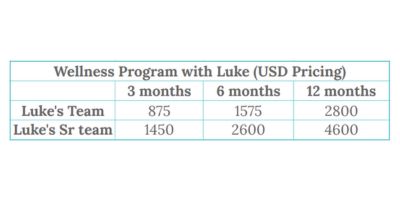
Join our Wellness Program to get a personalized food and lifestyle plan tailored to your lipid profile, heart health, energy, and long-term well-being.
Want to speak with someone first?
Book a one-on-one consultation with our integrative team to understand your reports, identify hidden contributors, and explore your next steps.
Reach out to us at 1800 102 0253 or write to us at [email protected].
Disclaimer:
This article is for educational purposes only. It does not replace medical advice. Please consult your healthcare provider before making any major changes to your food or lifestyle—especially if you have pre-existing conditions or are on medication.

Start Your Wellness Journey
Feeling inspired to take the next step in your wellness journey? Connect with us to explore how our tailored programs can support your health journey. Your transformation is just a conversation away.