
Is it just stress, aging, or posture, or is your body gently trying to tell you something deeper?
Every day, countless women wake up feeling “off.” They find themselves pushing through fatigue, back pain, mood swings, poor sleep, and irregular cycles, assuming it’s just the price of a busy life.
What if your low energy, disrupted sleep, or unexplained discomfort aren’t merely lifestyle side effects, but early signs of low estrogen or low progesterone?
Yet, these symptoms are often dismissed or misattributed.
A backache? Must be poor ergonomics.
Brain fog? Probably a lack of sleep.
Low motivation or emotional volatility? Just stress.
Sometimes, these signals are not random. They are your body’s way of whispering that your hormones may be out of rhythm, especially estrogen and progesterone, two of your most vital, yet often overlooked, messengers of internal balance.
Even minor shifts in estrogen or progesterone can disrupt homeostasis. And because the symptoms are often vague or dismissed, like difficulty concentrating, achy joints, or heightened emotional reactivity, women are often left feeling confused or misdiagnosed.
In a world where women are expected to show up every day with resilience and clarity, these subtle hormonal shifts can quietly drain energy and erode confidence, not because women are weak, but because the internal signal system is flickering.
If you’ve ever felt like you’re doing everything ‘right’ and still not feeling like yourself, it’s not in your head. It might just be in your hormones.
So if you’ve ever asked yourself:
“Why do I feel like I’m not myself lately?”
“Why is my energy dipping even though nothing major has changed?”
“Why do I feel more emotionally reactive, or physically heavy, or just…different?”
You’re not alone, and you’re certainly not imagining it.
Let’s understand what these low estrogen symptoms and low progesterone cues can look like in real life. More importantly, we’ll guide you through natural ways to increase estrogen, support hormonal balance, and reconnect with your body’s rhythm, without extremes, fear tactics, or quick-fix approaches.
Because your body isn’t broken. It’s brilliant. And it’s simply asking you to tune in.
The Analogy: Hormones Are the Wi-Fi of Your Body
You can’t see your hormones, much like you can’t see Wi-Fi.
But you feel their impact, don’t you?
When the signal weakens, everything connected to it, your devices, your communication, and your productivity, slows down or disconnects altogether.
Your hormones work in the exact same way.
They are your body’s invisible network, silently coordinating countless processes from your brain to your gut, from your metabolism to your mood.
Now let’s break this down. Because understanding what your hormones really do makes it easier to support them—gently, naturally, and consistently.
What Happens Behind the Scenes: The Hormone Cascade
It all begins with cholesterol.
Yes, the very nutrient we were once told to fear. In truth, good-quality cholesterol is a building block for hormone synthesis, and Vitamin D plays a key role in this conversion.
Vitamin D plays a pivotal role in hormone creation by supporting the conversion of cholesterol into pregnenolone, the foundational precursor hormone. From this starting point, your body first produces progesterone, which acts as the entry point to a cascade that gives rise to testosterone and eventually estrogen. Think of progesterone as the key that unlocks the rest of your hormonal network. When Vitamin D levels are low, this entire cascade can slow down or falter, leading to imbalances that often go unnoticed until symptoms like fatigue, low mood, or irregular cycles start to show up.
So yes, your hormone balance is deeply connected to your nutrient status, and it doesn’t take much for this delicate cascade to be interrupted.

Estrogen & Progesterone: What They Really Do
Now let’s decode the real roles of these two hormones.
Estrogen: More Than a Reproductive Hormone
Estrogen is not just about menstrual cycles or fertility. It’s a multi-functional hormone that supports your:
- Brain function: Estrogen enhances neuroplasticity and neurotransmitter regulation. It supports memory, focus, and mental agility.
- Bone density and joint health: Estrogen promotes osteoblast activity, where cells are responsible for building bone. A deficiency, even in premenopausal years, has been linked to early bone thinning.
- Heart and vascular function: Estrogen supports blood vessel flexibility and healthy lipid metabolism, helping maintain optimal blood pressure and circulation.
- Skin integrity and hydration: Estrogen enhances collagen production and moisture retention, affecting skin elasticity and wound healing.
- Mood balance: Through its impact on serotonin and dopamine, estrogen plays a key role in emotional stability. A drop in estrogen has been associated with increased rates of anxiety and depressive symptoms in women.
Progesterone: The Calming Counterbalance
If estrogen is the energizer, progesterone is the stabilizer. It complements the stimulating effects of estrogen by grounding the nervous system and promoting resilience.
- Supports restful sleep: Progesterone promotes sleep by interacting with GABA receptors in the brain, producing a calming effect.
- Protects mental wellbeing: Progesterone is neuroprotective. It helps regulate emotional reactivity, especially in the second half of the menstrual cycle.
- Balances thyroid and metabolism: This hormone supports thyroid efficiency and helps regulate body temperature and metabolic rate.
- Stabilizes the nervous system: Progesterone contributes to nervous system resilience, helping reduce overstimulation and emotional overwhelm.
- Reduces inflammation: Its natural anti-inflammatory properties support joint and tissue recovery, which is why low progesterone may be linked to musculoskeletal discomfort, including unexplained lower back pain.
Many women experiencing subtle but persistent physical or emotional discomfort may actually be experiencing signs of low progesterone, especially if their cortisol levels are elevated due to chronic stress, something we’ll discuss later.
Recognizing the Signs of Low Estrogen and Low Progesterone
Have you ever found yourself second-guessing your body?
You’re eating well, trying to move regularly, and getting some sleep, and yet, something still feels… off.
Your energy isn’t the same. Your motivation dips for no clear reason. Some days feel emotionally heavy, others physically sluggish.
It could be due to hormonal imbalance, particularly low estrogen or low progesterone, and you’re not alone.
Let’s bring clarity to what these may actually mean.
Low Estrogen Symptoms
Estrogen is deeply involved in your neurological, cardiovascular, skeletal, and immune systems. A decline can lead to both short-term discomforts and long-term risks.
Common yet often overlooked signs of low estrogen include:
- Mental fatigue or ‘brain fog’: Estrogen supports cognitive function by modulating neurotransmitters like acetylcholine and serotonin. Low levels have been associated with decreased verbal memory and attention.
- Unexplained irritability or low mood: Estrogen helps regulate mood through serotonin and dopamine pathways. When levels drop, emotional resilience may take a hit.
- Sleep disturbances: Night waking, difficulty falling asleep, and early morning anxiety can stem from estrogen’s influence on melatonin and cortisol rhythms.
- Irregular or absent periods: As estrogen declines, the communication between your ovaries and brain can become inconsistent, disrupting ovulation and your cycle itself.
- Hot flashes and night sweats: These vasomotor symptoms are hallmark indicators of fluctuating estrogen, but can begin well before menopause.
- Joint stiffness or muscle aches: Estrogen helps regulate inflammation. Its decline may cause subtle physical discomfort that’s often misattributed to overuse or aging.
- Dry skin and thinning hair: Estrogen stimulates collagen production and hair follicle health. A deficiency may result in dryness, dullness, or shedding.
- Low libido or vaginal dryness: These aren’t just sexual side effects, they’re physiological indicators that estrogen is needed for blood flow, tissue elasticity, and sensation.
What’s important to note here is that low estrogen symptoms don’t always cluster together, and they don’t have to be severe to be real. You may only notice one or two changes at first. But the longer they go unexplored, the more they can compound, physically and emotionally.
Signs of Low Progesterone: The Quiet Disruptor
If estrogen is the spark, progesterone is the ground wire. It keeps your system stable, soothed, and steady.
And yet, low progesterone is one of the most under-acknowledged imbalances, especially in women dealing with chronic stress, irregular sleep, or undernourishment.
Here’s what to watch for:
- Shortened menstrual cycles or spotting: A short luteal phase (under 10 days) or light spotting before your period could indicate low progesterone, especially if ovulation is weak or absent.
- Anxiety or racing thoughts at night: Progesterone has calming effects via GABA receptors. A deficiency may lead to emotional restlessness or difficulty ‘switching off’ before sleep.
- Lower back pain or joint laxity: While often dismissed as posture-related, subtle hormone shifts can affect collagen production and ligament strength, especially during the luteal phase.

Image Credits: Freepik
- Breast tenderness or bloating before your period: These symptoms, while common, may become more pronounced when progesterone levels are insufficient to balance estrogen’s stimulating effects.
- Difficulty maintaining pregnancy or irregular ovulation: Progesterone prepares and maintains the uterine lining. Without enough, conception and implantation can become more challenging.
- Mood fluctuations premenstrually: If you notice a marked difference in your emotional state in the week before your period, snappiness, sadness, or excessive worry, low progesterone may be contributing.
Why These Signs Matter, Even If They Seem Small
One of the most disempowering things a woman can be told is, “It’s just part of being a woman,” or “It’s probably just stress.” While stress does play a role (we’ll talk about that soon), it should never be used to dismiss a woman’s experience.
Because the side effects of low estrogen or low progesterone aren’t just hormonal. They influence how you show up in your work, your relationships, and most importantly, how you feel in your own skin.
And remember, these aren’t the failings of your body. They’re signals. They are your body’s language, asking for balance, not just through pills or patches, but through a return to rhythm, nourishment, rest, and conscious living.
Root Causes: Why Are Estrogen & Progesterone Levels Dropping?
Let’s pause and ask a deeper question: why are so many women today experiencing low estrogen symptoms and signs of low progesterone, even in their 20s, 30s, or early 40s?
The answer isn’t always found in age or genetics. Often, it lies in how we live, how we eat, rest, move, and handle pressure.
Let’s explore some of the most common, yet often overlooked, contributors to low progesterone and low estrogen symptoms in everyday life:
1. Chronic Stress and Cortisol Dominance: When you’re under constant mental, emotional, or physical stress, your adrenal glands release more cortisol. This comes at a cost. Cortisol and progesterone share the same building block, pregnenolone. When the body needs more cortisol, it steals pregnenolone from the progesterone pathway, leading to what’s often called the pregnenolone steal. Over time, this can reduce progesterone levels significantly, leading to symptoms like poor sleep, anxiety, and cycle irregularities.
2. Poor Sleep Quality and Circadian Disruption: Sleep isn’t just about rest; it’s a hormonal medicine. Deep, consistent sleep helps regulate the hypothalamic-pituitary-gonadal axis, the command center for estrogen and progesterone production.
3. Under-Eating or Low-Fat Diets: Healthy fats and adequate calories are essential for hormone synthesis. Cholesterol is the precursor to all steroid hormones, including estrogen and progesterone. Yet many women, in an effort to ‘eat clean’ or lose weight, unknowingly restrict fats or calories to levels that suppress ovulation and hormone production.
4. Overexercising Without Recovery: Exercise is essential, but too much, especially high-intensity training without enough rest, can raise cortisol, lower leptin, and suppress the reproductive axis. Engaging in high-volume training without adequate nutrition or recovery often exhibits anovulatory cycles and low estrogen symptoms, even with regular periods.
5. Environmental Toxins & Xenoestrogens: From plastics and pesticides to personal care products, our environment is flooded with endocrine disruptors, chemicals that mimic or block real hormones. These xenoestrogens can bind to estrogen receptors, displacing natural estrogen and confusing the body’s feedback loop. These chemicals lead to estrogen dominance and progesterone suppression, as the body struggles to regulate what’s real versus synthetic.
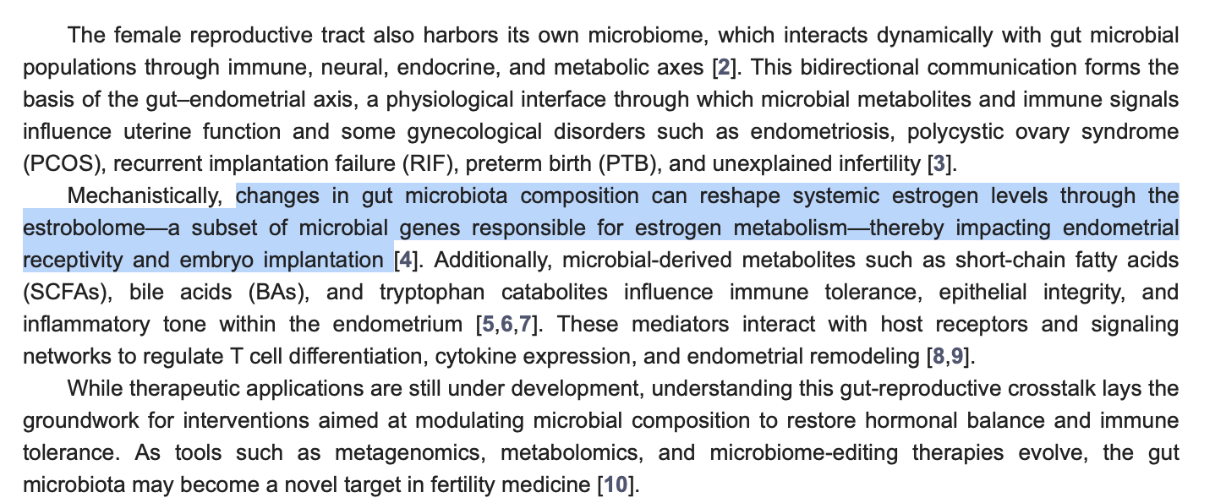
6. Gut Health and Estrogen Elimination: Your gut doesn’t just digest food; it also helps process and eliminate excess hormones. A compromised gut microbiome can slow estrogen detoxification and lead to hormonal imbalances. A study published in Life introduces the concept of the ‘estrobolome’, a collection of gut bacteria that modulate estrogen metabolism. When this system is off, estrogen may be recirculated instead of eliminated, contributing to imbalances and amplifying the side effects of low estrogen.
Your body doesn’t work in silos. Every meal you eat, every thought you think, and every night of rest you allow, or deny, yourself play a role in your hormonal story.
The good news?
This isn’t about perfection. It’s about connection.
There’s always a natural way to increase estrogen and support progesterone, through nourishing choices that gently realign your system over time.
A Lifestyle-First Approach: Supporting Hormone Balance Naturally
When it comes to hormone health, we often look outward, seeking quick fixes or external solutions. But the truth is, your body already holds deep wisdom. And when you align your daily rhythms, how you eat, rest, move, and manage stress, you create the environment your hormones need to function optimally. No extremes. Just consistent, nourishing choices.
Let’s explore six strategies that gently support low progesterone and offer a natural way to increase estrogen, without overwhelming your system.
1. Nourishment That Speaks to Your Hormones
What you eat directly affects what your hormones can do. Estrogen and progesterone are made from building blocks found in real, whole food. Here’s how you can support them through your plate:
- Flaxseeds and sesame seeds are rich in lignans, natural phytoestrogens that gently support estrogen levels, especially in perimenopausal women.
- Healthy fats, such as ghee, avocado, nuts, seeds, and cold-pressed oils, are essential for the production of all steroid hormones. Without dietary fat, your body struggles to make progesterone and estrogen.
- Cruciferous vegetables like broccoli, cabbage, and cauliflower support liver detoxification of excess estrogen, helping maintain hormonal balance.
- Pumpkin seeds, rich in zinc and magnesium, support progesterone production and luteal phase health.
- Bone broth, lentils, and leafy greens offer trace minerals like calcium, boron, and iron, often depleted in women experiencing hormonal dips.

A few foundational principles to keep in mind:
- Prioritize whole, seasonal, unprocessed foods that your grandmother would recognize.
- Eat enough. Chronic under-eating is a hidden but common driver of low estrogen symptoms and menstrual irregularities.
- Rotating your foods and variety builds a diverse gut microbiome, essential for estrogen metabolism.
2. Stress Management Is Hormone Management
This isn’t just about feeling calm, it’s about giving your body the physiological permission to produce sex hormones.
Gentle, intentional practices can help:
- Deep belly breathing (try 4-7-8 breathing)
- Journaling thoughts without judgment
- Walking barefoot in nature (grounding)
- Drawing, painting, or singing—creative outlets help regulate the nervous system
These aren’t indulgences. They’re daily tools to bring your cortisol down, so your other hormones can rise.
3. Sleep: The Hormonal Reset Button
Your body repairs, regenerates, and recalibrates hormones during deep sleep. Melatonin, produced at night, is closely linked with the regulation of estrogen and progesterone. In fact, poor sleep has been shown to blunt luteinizing hormone (LH) release, impacting ovulation and progesterone levels.
A few tips:
- Aim for seven to eight hours of uninterrupted quality deep sleep.
- Dim lights after sunset to support melatonin production.
- Avoid blue screens and stimulating conversations before bed.
- Try winding down with herbal teas, journaling, or a warm bath.
Think of sleep as your hormonal maintenance window. It’s one of the most underrated tools to reverse the side effects of low estrogen.
4. Move to Nourish, Not Deplete
Movement is medicine, but it needs to be matched to your energy and cycle. While intense workouts have their place, too much, especially during the luteal phase or when you’re already feeling depleted, can disrupt hormonal rhythm. Not to mention, you need to keep your regimen holistic where rest and recovery needs to be implemented as a part of the plan.
Opt for:
- Gentle walks or nature hikes to lower cortisol
- Yoga and Pilates for nervous system regulation
- Resistance training to boost testosterone and support metabolism
- Dancing to release endorphins and reconnect with joy
Movement should energize you, not leave you feeling more exhausted. Always tune into how your body feels, not just what your fitness tracker tells you.
If you are doubtful about exercising on your periods, read THIS.
5. Natural Ways to Increase Estrogen (When Needed)
If you’ve recognized signs of low estrogen, supporting your body through food and lifestyle is a gentle first step. Here are a few approaches:
- Phytoestrogens: Found in flaxseeds, tofu (non-GMO), lentils, and chickpeas, these plant compounds mimic estrogen and can offer support during dips.
- Gut health: A balanced microbiome helps metabolize estrogen efficiently. Incorporate prebiotics (onion, garlic, banana), probiotics (yogurt, fermented foods), and fiber.
6. Seed Cycling: Food as Gentle Hormonal Rhythm Therapy
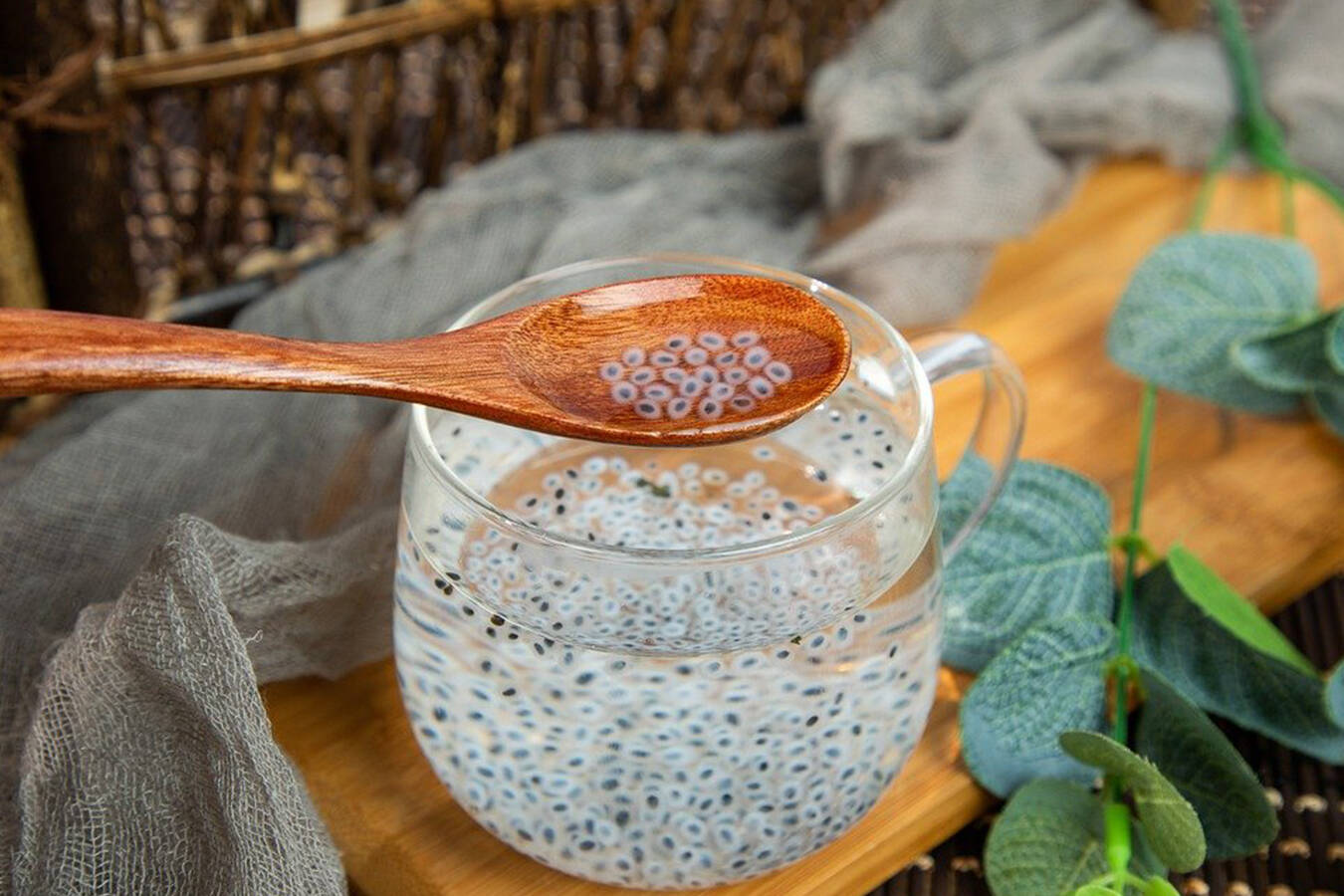
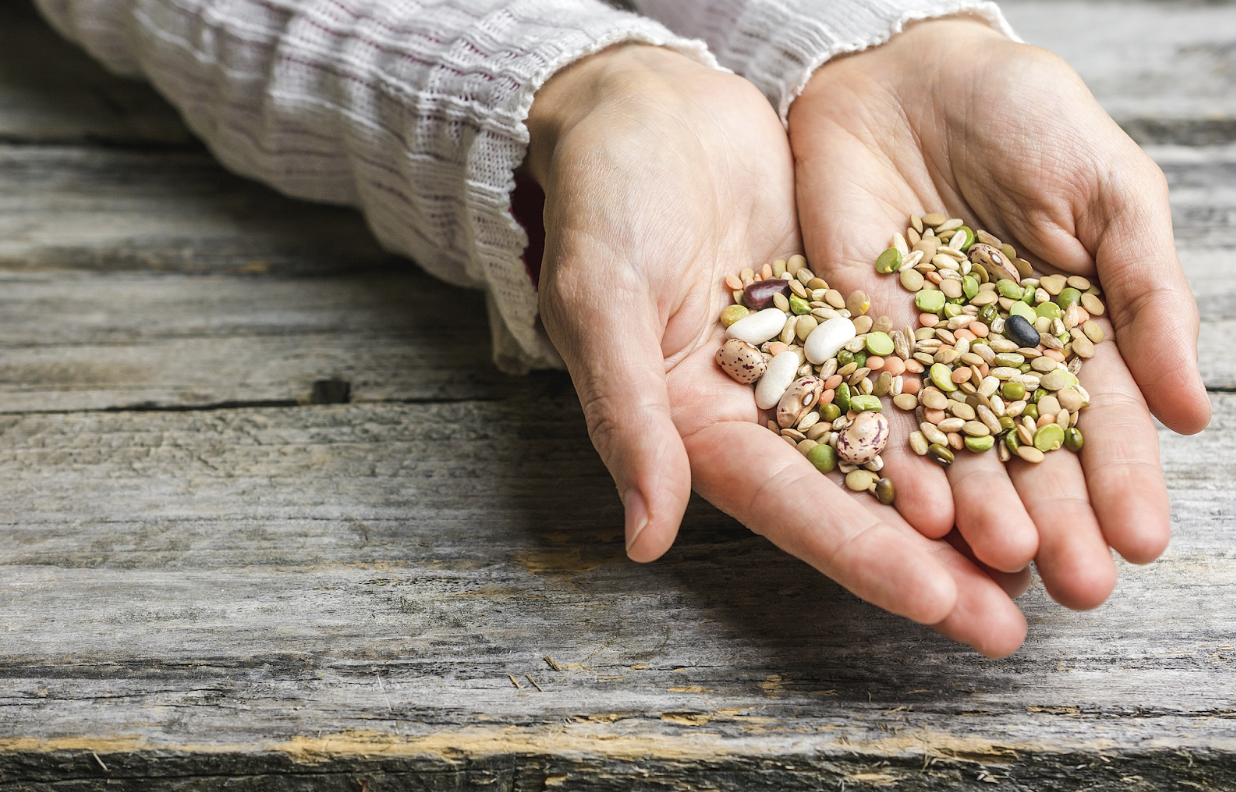
Seed cycling is a practice that involves eating specific seeds during the two main phases of your menstrual cycle to support hormone production naturally. It’s simple, food-based, and gently nudges your body toward balance.
Here’s how it works:
- Follicular phase (Day 1 to Ovulation): 1 tablespoon each of flaxseeds and pumpkin seeds daily. These help promote estrogen production and metabolism.
- Luteal phase (Ovulation to Period): 1 tablespoon each of sesame seeds and sunflower seeds. These support progesterone synthesis and reduce inflammation.
Remember, seed cycling won’t ‘fix’ hormones overnight, but over weeks and months, it can be part of a steady shift that reconnects you to your natural rhythm. Consult a qualified healthcare professional before incorporating seeds and consume only if the seeds suit you.
You don’t have to do everything at once. Just start somewhere. Choose one shift today, a nourishing meal, a breathwork break, or an earlier bedtime. Hormones don’t respond to force. They respond to consistency, care, and rhythm.
And remember: your body isn’t a problem to fix—it’s a partner to work with. When you listen, it leads.
Conclusion: Your Body Isn’t Broken—It’s Brilliantly Communicating
You don’t need to ‘do more’ to be well. You don’t need to hustle harder, chase fixes, or silence your body’s discomfort. What you need, what we all need, is to listen more deeply.
Hormones aren’t the enemy. They’re not a burden or a flaw. They’re intelligent messengers.
So, let this be your reminder: You are not weak for feeling tired. You are not overreacting for feeling emotionally stretched. And you’re certainly not imagining the changes in your mind and body.
You are attuned. You are aware. And that awareness is your greatest strength.
Disclaimer: This blog is for educational and informational purposes only and is NOT intended to diagnose, treat, or replace medical advice. Hormonal health is complex and deeply individual. If you are experiencing persistent symptoms or suspect a hormonal imbalance, please consult a qualified healthcare practitioner.
If your symptoms have been shrugged off or misunderstood, you’re not alone, and you don’t have to walk alone.
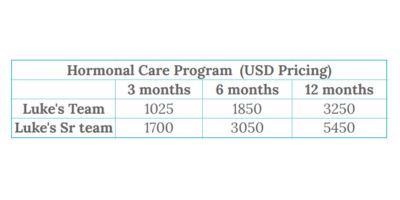
Our Hormonal Care Program offers personalized, integrative support that helps you reconnect with your rhythm, naturally and holistically.
Start your journey back to feeling like yourself, one informed choice at a time.
Reach out to us at 1800 102 0253 or write to us at [email protected].

Start Your Wellness Journey
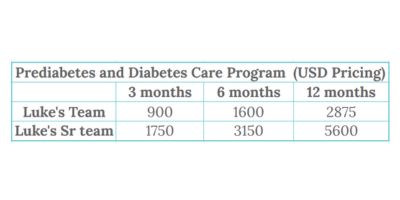
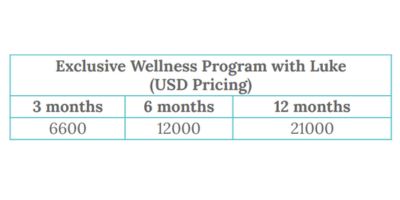
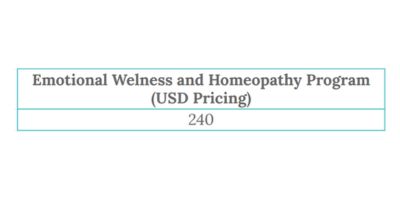
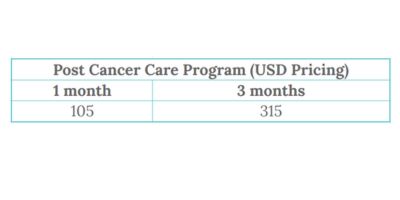
Feeling inspired to take the next step in your wellness journey? Connect with us to explore how our tailored programs can support your health journey. Your transformation is just a conversation away.