
Today, teens have the world in their pockets—literally. A smartphone and an internet connection can open the doors to anything, including explicit content that once felt distant or taboo.
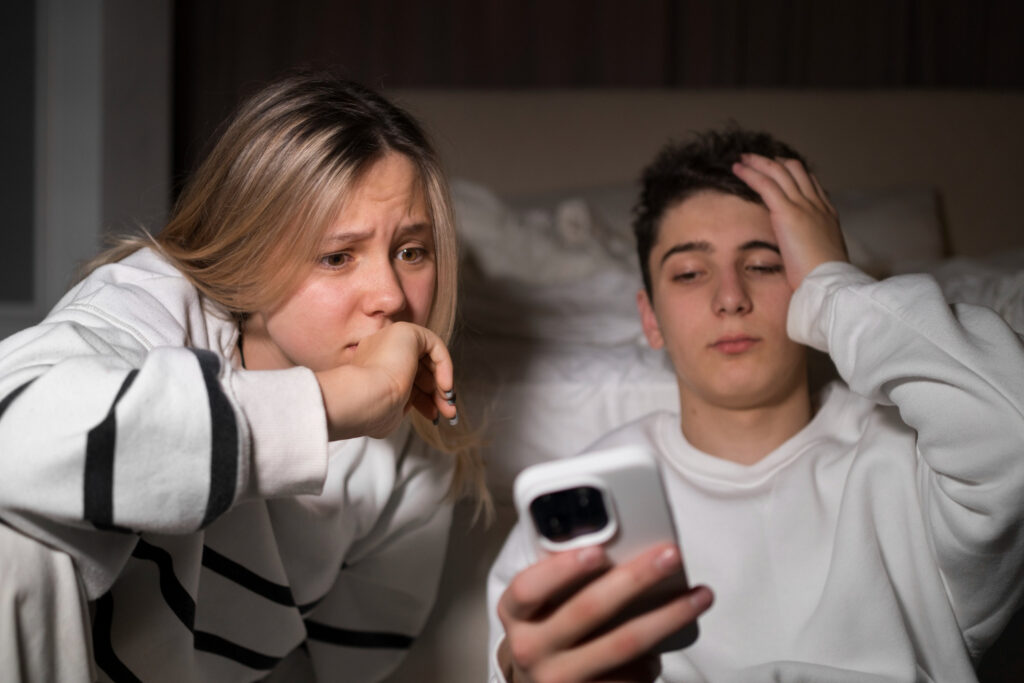
Let’s face it—porn is just a few taps away. And for many teenagers, this becomes the first experience of ‘learning’ about sex, intimacy, and relationships.
Now, I’m not here to say, “Don’t watch it.”
I’m not here to create fear or shame.
I’m here to say—let’s talk about it honestly.
Because I’ve worked with so many teenagers, boys and girls, dealing with confusion, guilt, secrecy, and addiction.
Yes, porn addiction is real—and no, it doesn’t mean you’re broken or bad. It just means your brain is doing what it’s wired to: chase pleasure and avoid discomfort. But when this gets out of balance, it starts affecting how we see love, connection, and even our worth.
So whether you’re a teen reading this, a parent, or an educator—this is for YOU. We’ll explore what porn addiction really is, how it changes the brain, the hidden side effects of porn addiction, and how to begin the journey of porn addiction recovery—by building emotional strength, body respect, and conscious choices.
What Is Porn Addiction? Understanding the Line
Let’s be real—watching porn once or twice doesn’t mean you’re addicted.
Curiosity is part of growing up. But here’s the thing: when watching porn becomes a habit you can’t control—even when you know it’s affecting your mind, emotions, or relationships—that’s when it starts leaning toward addiction.
Porn addiction isn’t just about frequency.
It’s about how it makes you feel afterward. Do you feel guilty? Numb? Disconnected? Do you keep going back even when you don’t want to? That’s the line we need to be aware of.
- The brain has a reward system—and porn can overstimulate those reward pathways. Over time, your brain starts craving more—stronger, newer, and more extreme content just to feel the same high. This is where emotional burnout begins, and where we start seeing some serious side effects of porn addiction on the brain.
If you’re wondering how to quit porn addiction, or even if you’re just questioning your habits, the good news is—porn addiction recovery is possible. And it doesn’t start with punishment. It starts with compassion and conscious steps.
How Porn Addiction Affects the Developing Brain
Think of your brain like a garden. In your teenage years, it’s still growing, still wiring itself.
Every thought, emotion, and experience you go through is planting seeds. And just like you wouldn’t feed a growing body with junk food all day, feeding the brain with constant porn is like emotional junk food—it overstimulates but doesn’t nourish.

Now, porn isn’t just a video on a screen.
- It’s an experience that triggers powerful brain chemicals—especially dopamine, the pleasure hormone.
- And this matters because, during adolescence, your brain’s reward system is extra sensitive.
- It’s learning what to chase, what to repeat, and what to associate with pleasure.
So, what really happens in the brain when porn addiction becomes regular?
- Dopamine overload: Every time porn is watched, there’s a spike in dopamine. But the brain gets used to these high spikes and starts craving more intense content just to feel the same ‘high.’
- Desensitization: Normal things that used to bring pleasure—like a hug, a good laugh, or a real relationship—start feeling flat or boring. This is one of the early side effects of porn addiction on the brain.
- Rewiring expectations: When the brain gets trained by unrealistic images and scenes, it starts believing that this is what sex, bodies, and intimacy should look like. This creates distorted beliefs about sexual relationships before marriage—often without the emotional maturity to handle them.
- Emotional numbness: Many adolescents say they feel emotionally ‘off’ or disconnected. This can show up as:
- Difficulty forming real-life emotional bonds
- Anxiety or depression
- Shame or guilt
- Feeling unmotivated or spaced out
This is where porn addiction starts silently digging in.
What began as curiosity turns into a compulsive loop. You may not even realize you’re chasing that next video just to ‘feel something’ again.
As I mentioned earlier, feeding your brain porn every day is like giving your body junk food and expecting it to feel nourished. It fills the moment but drains your long-term energy and connection.
There’s more: your lifestyle either fuels or heals the addiction.
Most teens today are also dealing with:
- Ultra-processed foods
- Excess sugar
- Poor sleep
- Constant screen exposure
This combo weakens emotional regulation and lowers mental resilience. So if you’re wondering how to quit porn addiction, know this: it’s not just about willpower. You’ve got to support your brain and body with the right tools. We’ll explore these later.
So yes—porn addiction recovery is possible. And it starts with awareness, not shame. Healing begins when you understand the porn effect on brain chemistry, and then take small but consistent steps to rewire with better inputs—emotionally, nutritionally, and digitally.
Boys vs Girls: How Porn Addiction Negatively Affects the Brain
When it comes to porn addiction, it’s important to realize that boys and girls don’t always experience it the same way. They’re both vulnerable, but the impacts can show up differently because of emotional and biological factors.
Boys: The Pressure to Perform
For many boys, porn is often a visual experience—they’re wired to respond strongly to what they see. This can lead to a range of struggles, such as:
- Performance anxiety: Feeling like they need to perform in a certain way during intimacy because that’s what they see in porn. It creates unrealistic standards that are hard to meet, especially when it comes to sexual relationships before marriage.
- Objectification: Porn can teach boys to view bodies as objects rather than seeing the person as a whole. Over time, they can begin to objectify women—expecting them to look and behave a certain way.
- Aggression or frustration: As the brain gets overstimulated by porn, some may feel frustration or anger when real-life relationships don’t meet the intense stimulation they’ve become used to. This is where the side effects of porn addiction on the brain start showing up emotionally.

Girls: The Struggle with Body Image and Intimacy
Girls experience porn differently, often internalizing it in ways that are tied to their emotions. Some common challenges include:
- Unrealistic body comparisons: Girls may feel pressured to look or act a certain way based on the performers they see in porn. This leads to body image issues, low self-esteem, and comparison.
- Confusion around intimacy: Girls can get mixed up about what true intimacy looks like. Porn often blurs the lines between consent, desire, and love, leaving them unsure about what they should feel in real-life relationships.
- Pressure to perform: Similar to boys, there’s a growing pressure to perform sexually in the ways they see in porn. However, this pressure often focuses on looking or acting a certain way to meet unrealistic expectations, especially in sexual relationships before marriage, where insecurity and misinformation can deepen.
In both cases, boys and girls can feel isolated, judged, or misunderstood as they try to make sense of their feelings. The truth is, the impact of porn addiction and its side effects are not just physical but deeply emotional.
How to Support Adolescents: Mindset Shifts and Porn Addiction Recovery Protocols
I get it. Curiosity is a natural part of growing up. But let’s make sure that curiosity doesn’t rob you of the chance to experience real connection.
To the Teens: “It’s Okay to Be Curious, But Let’s Keep It Real”
If you’re feeling stuck or caught in a cycle of watching porn, porn addiction recovery doesn’t mean you’re weak or broken—it means you’re taking control of your life and mental health.
Here are some empowering steps to start the journey of how to quit porn addiction and create a life that’s more connected and fulfilling:
- Awareness and acceptance: The first step is acknowledging what’s happening. You’ve got to accept that it’s affecting you, and that’s okay. Awareness is the first key to making a change.
- Track your triggers: Pay attention to the moments that lead you back to porn. What’s going on? What emotions are you feeling? Understanding your triggers helps you take control.
- Open up to someone: Talk to someone you trust. It could be a friend, family member, or even a counselor. Opening up is a crucial step towards healing.
- Replace the habit with healthier coping tools: The key is finding alternatives. Journaling, movement, or spending time in nature can be amazing ways to redirect energy and emotions.
- Therapy or digital detox: If needed, seek professional help. A digital detox or therapy can help rewire the brain and support emotional healing.
- Rebuilding self-worth: Focus on building a positive relationship with yourself. Start by engaging in activities that make you feel empowered and alive.
- Strengthen emotional connection: Invest in real-life relationships. Build deeper connections with people who care about you—relationships that bring genuine intimacy and connection. This helps create a healthy understanding of love and emotional bonding, especially important when navigating sexual relationships before marriage.
- Create a balanced food hygiene plan: Your brain and body need the right fuel. Nutritious foods that support brain health and emotional regulation are essential.
These are a few simple steps to help teens move through porn addiction recovery holistically.
If you’re looking to dive deeper into emotional healing, enroll in our online educational course, Luke’s Guide to Forgiveness for Teens and Adults. It’s designed to help you build emotional resilience, let go of shame, and create a future filled with healthier connections and self-awareness.
For Parents and Educators: Let’s Create Safe, Non-Judgmental Spaces
Now, for the parents and educators reading this—your role is so crucial. It’s about creating spaces where teens can talk openly about what they’re going through.

Here are some tips for how to help guide teens through this:
- Encourage honest, shame-free conversations: Make it clear that it’s safe to talk about difficult topics. Approach the conversation with empathy and without judgment.
- Focus on emotional intelligence: Teach teens about respect, consent, and boundaries. These are essential life skills that go beyond relationships—they affect how we feel about ourselves and others.
- Create a mindset shift: It’s not about ‘just quitting porn’—it’s about building new habits and healthier ways to connect with the world, emotionally and mentally.
Let’s make sure these conversations are shame-free and supportive for a smoother porn addiction recovery.
The Last Word: You Are Not Alone
If you’re feeling stuck or caught in a loop, know this: you are not broken. Porn addiction doesn’t define you—it’s something you can move beyond.
For both teens and adults, it’s time to raise a generation that understands the importance of real connection over digital distractions.
It’s not about being perfect or never stumbling—it’s about taking the steps, seeking support, and intentionally shifting the path toward genuine intimacy. Let’s embrace this journey together and prioritize emotional well-being.
After all, you have the power to rewrite your story, starting today.
Struggling with porn addiction or want to understand how it’s affecting your brain?
We’re here to help YOU find a way.
Set up a one-on-one consultation with our integrative team for personalized solutions.
Reach out to us at 1800 102 0253 or write to us at [email protected].

Start Your Wellness Journey
Feeling inspired to take the next step in your wellness journey? Connect with us to explore how our tailored programs can support your health journey. Your transformation is just a conversation away.