
Have you ever looked in the mirror, noticed a few more lines, or felt your joints creak a little louder, and wondered: “Should I start taking collagen?” You’re not alone.
Every week, my team and I receive numerous queries from people inquiring about collagen supplements, collagen for skin, and whether it’s worth investing in powders, pills, or topical products.
Some want glowing skin, others wish for stronger joints or faster recovery. And many are confused by the surge of collagen-rich drinks, bars, and beauty products flooding the market.
That’s exactly why I decided to share this information about collagen.
Collagen is no doubt a buzzword today, but it’s also a powerful, natural protein that plays a foundational role in how we look, feel, and age. That said, collagen is not a magic fix, and it certainly won’t work if your fundamentals, like nutrition, sleep, gut health, and stress are out of balance.
“I consult with many people using collagen for months with no noticeable change because the basics of lifestyle are often neglected.”
Here, we’ll simplify the science and go beyond the hype. You’ll learn:
- What collagen really is and how it functions in your body
- The best collagen-rich foods and why food should come before supplements
- Whether collagen supplements truly deliver on their promises
- The truth behind collagen for skin, aging, joint health, and more
- How to build collagen naturally through daily habits, not dependency
- And finally, the dos and don’ts I recommend before you consider supplementing
Whether you’re looking to support graceful aging, improve skin elasticity, or just understand this ‘collagen craze,’ you’re in the right place. Let’s make informed choices, the holistic way.
What is Collagen? The Body’s Natural Glue
Let’s start at the root.
The word collagen comes from the Greek kólla, meaning glue, and the French word collagène, which describes the gelatin-producing component of connective tissues when boiled. And that’s exactly what collagen does—it holds things together.
Collagen is the most abundant protein in mammals, making up nearly 25–30% of the total protein content in the body.
Think of collagen as the scaffolding that keeps your skin firm, your joints smooth, your bones strong, and your tissues resilient. It’s the biological glue that connects and supports almost every structure in your body.
Where is Collagen Found in the Body?
Collagen is found throughout the body. Collagen is produced naturally by your body using amino acids (tiny building blocks of protein) from food—particularly glycine, proline, hydroxyproline, and arginine.
Thanks to its great tensile strength and resistance to stretching, collagen is the perfect protein matrix for:
- Skin: Gives elasticity, firmness, and moisture retention
- Tendons & ligaments: Provides stretch and resilience
- Bones: Supports mineral retention and structure
- Cartilage & joints: Cushions bones and prevents friction
- Cornea (eye): Maintains transparency and structure
- Gums & teeth: Anchors dental tissues
Did You Know?
Collagen makes up 30% of the total protein in the human body and up to 70% of the skin’s dry weight.
The Science of Collagen Types
As of today, science has identified at least 28 to 29 distinct types of collagen, but over 90% of the collagen in your body is Type I. The most important for skin, joints, and aging are Types I, II, III, V, and X.
Most Common Collagen Types and Their Functions:
| Type | Location | Function |
| Type I | Skin, bones, tendons | Provides strength and structure. Most abundant. |
| Type II | Cartilage | Cushions joints. Essential for mobility. |
| Type III | Skin, blood vessels, internal organs | Provides elasticity and structure to softer tissues. |
| Type V | Hair, placenta, cell membranes | Important in hair and reproductive health. |
| Type X | Bones and joints | Plays a role in bone formation and healing. |
Collagen Benefits: Skin, Aging, Recovery & More
Here are a few proven benefits of collagen, backed by solid science:
1. Radiant, Youthful Skin and Reduced Wrinkles
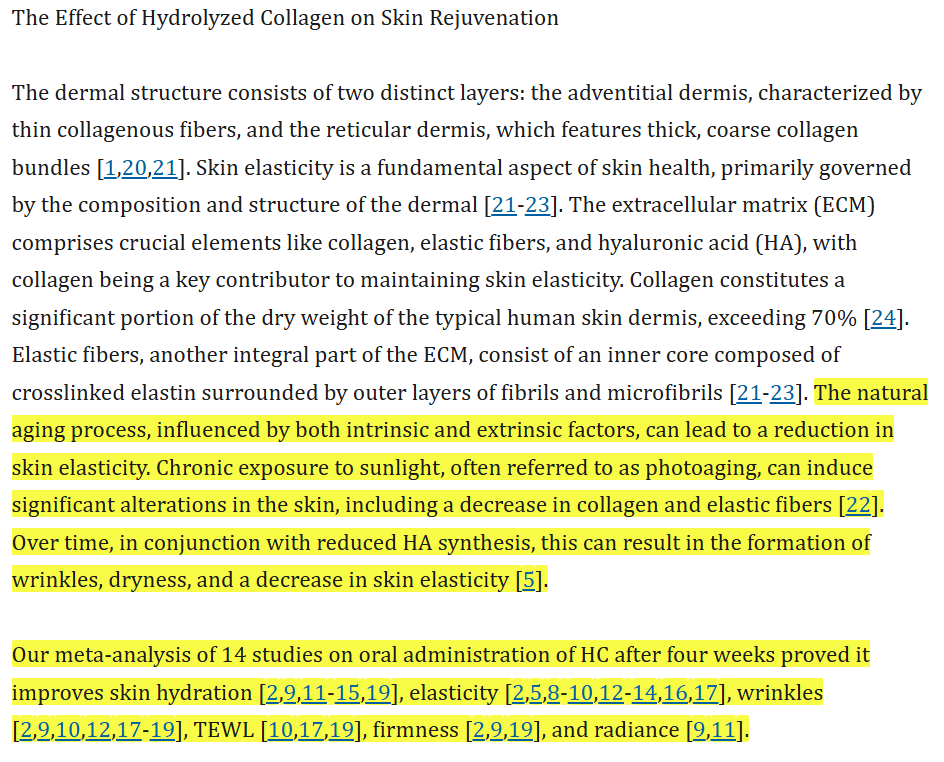
Collagen is the backbone of radiant, youthful skin. As a key structural protein, it provides support to the dermis, the layer beneath the surface of our skin.
When collagen levels decline with age or due to lifestyle factors like UV exposure, smoking, or poor nutrition, our skin can lose its elasticity and moisture.
This often leads to dryness, sagging, and wrinkles.
For people with dry or mature skin especially, collagen supplement benefits can restore moisture retention and strengthen the skin barrier.
Scientific support:
2. Joint Comfort & Mobility
Healthy joints rely on smooth, flexible cartilage, largely made of collagen. Without adequate collagen, cartilage can wear thin, leading to discomfort, stiffness, and inflammation. This affects anyone from active individuals to desk-bound professionals, leading to joint creakiness and reduced flexibility.
Collagen supplementation supports joint health in two ways:
- by providing raw structural building blocks and
- by signaling cartilage repair
These collagen supplement benefits are more than anecdotal, a growing body of clinical evidence backs them. I often encourage clients to integrate collagen into their wellness plan if they struggle with joint wear, inflammation, or arthritic conditions.
Scientific support:

3. Stronger Bones & Skeletal Integrity
Osteopenia and osteoporosis impact countless individuals, especially women post-menopause.
Collagen plays a central role in bone health, it creates the soft matrix that calcium and minerals later harden. Without enough collagen, bones become brittle and susceptible to fractures.
When collagen supplementation is combined with minerals like calcium and vitamin D, it helps rebuild the bone matrix and improve mineral density.
Scientific support:

4. Faster Muscle & Connective Tissue Recovery
Strenuous exercise places micro-stress on muscles and connective tissues like tendons and ligaments. These micro-tears are normal parts of training but they also need efficient healing to support adaptation and strength gains.
After exercise bouts, I’ve seen clients experience noticeably less soreness and quicker strength recovery when they include collagen supplements as part of their regimen.
- This is especially crucial for older adults who face natural declines in protein synthesis and connective tissue resilience.
- Collagen helps fill those nutritional gaps, enabling them to stay active and recover faster.
Scientific support:

5. Accelerated Wound Healing & Tissue Repair
Wound healing is a multi-phase biological process involving clot formation, inflammation, tissue growth, and remodeling.
Collagen is essential in each stage, providing structure to the new tissue, promoting blood vessel formation (angiogenesis), and guiding cell migration to close wounds.
Scientific support:

6. Stronger, Healthier Nails
Brittle, slow-growing nails often reflect a lack of structural keratin support.
- Collagen helps improve nail quality by enhancing the nail bed matrix.
- People report stronger nails with less breakage after consistent collagen use—great news for those whose nails chip, split, or peel easily.
Scientific support:

7. Fuller, More Resilient Hair
Hair depends on collagen both as structural support and as a source of amino acids for keratin production. A healthy scalp requires a strong collagen-protein matrix beneath it.
- Collagen supplements aid in maintaining follicle health, improving density and strength over time.
Scientific support:

8. Reduced Arterial Stiffness & Vascular Health
Blood vessels rely on elasticity to regulate blood flow and pressure.
Collagen contributes to the strength and flexibility of arterial walls. As collagen declines, vessels harden, leading to higher blood pressure and cardiovascular risk.
- Supplementation supports vessel wall integrity, potentially reducing arterial stiffness and improving endothelial function.
- This supports circulation and cardiovascular resilience, particularly in aging populations.
Scientific support:

How Collagen Changes with Age
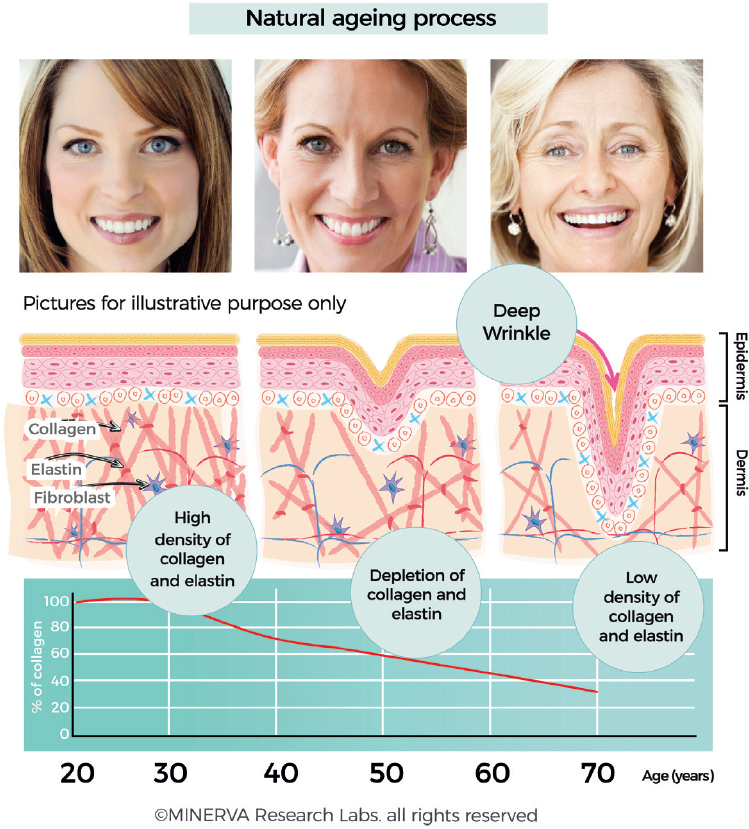
As we age, our body’s natural collagen production begins to decline—affecting everything from skin elasticity to joint health. Understanding this gradual shift is key to unlocking the true collagen benefits and making informed choices about collagen supplements for long-term wellness.
| Age Range | Estimated Collagen Decline | Dermis Changes |
| 20–30 years | Peak collagen — baseline (100%) | High fibroblast activity, skin plumpness and elasticity |
| 30–40 years | –1% to –1.5% per year | Beginning loss of dermal collagen; fine lines may appear |
| 40–50 years | Cumulative ~15% decline | Thinning skin, increased fragility, decline in elasticity |
| 50–60 years | Post-menopause: additional ~30% drop | Marked dry skin, deep wrinkles, reduced vascularity |
| 60+ years | Continued progressive decline | Increased collagen cross-linking, stiffness, rough texture |
Collagen-Rich Food Sources: Food First, Then Smart Supplementation
Nature holds everything you need for collagen. Start in your kitchen—with bone broth, fish skin, egg whites, citrus, leafy greens, seeds, nuts, aloe—and only then look at supplementation.
Food First: The Natural Approach
Collagen is beautifully supported by everyday foods rich in protein and nutrients that fuel collagen production:
- Bone broth: Slow-simmering animal bones and joints break collagen into bioavailable gelatin
- Fish (especially skin): A top source of Type I collagen; ideal in soups or crisped on a healthy fat–free pan
- Egg whites: Rich in proline and glycine—the key amino acids your body needs for collagen scaffolding
- Citrus fruits, Amla, and berries: Loaded with vitamin C, a critical cofactor for collagen synthesis
- Leafy greens: Packed with antioxidants and nutrients that support collagen proteostasis
- Zinc-rich foods (pumpkin seeds, chickpeas, lentils): Help enzymes that link collagen fibers
- Copper sources (shellfish, nuts): Support connective tissue cross-linking enzyme activity
- Aloe vera: Enhances collagen gene expression—great topically and internally
- Proline & glycine-rich foods (beans, spinach, egg whites): These amino acids are essential for collagen formation and structural integrity, especially when paired with vitamin C for effective synthesis
Supplement Smart: Know Your Source
Once your nutrition is dialed in, let’s explore supplement options—knowing well: collagen comes only from animal sources. Plant collagen is technically a misnomer, it’s more accurately called a collagen builder.
Marine Collagen:
Marine collagen is prized for its small peptide size, leading to high absorption and fast tissue support. It’s a preferred choice for those seeking:
- Enhanced skin elasticity and hydration
- Strengthened hair follicles and nail beds
- Accelerated wound repair and recovery
Using collagen derived from fish is effective with significant improvements in skin health in aging adults.
Top Tip: Look for clean marine collagen to avoid heavy metals.
Bovine Collagen:
Sourced from cow hide and bones, bovine collagen is rich in Type I & III—the same types naturally abundant in skin and bones. When hydrolyzed, it offers:
- Affordable and widely available support
- Equally impressive results for skin and joint health
- Long chain peptides that absorb well after processing
It’s a versatile option—but remember, not vegan-friendly.
Chicken Collagen:
Chicken collagen focuses on Type II, ideal for:
Reducing joint wear and stiffness
Supporting lubrication and cartilage cushioning
Ideal supplement for arthritis or repetitive-joint stress
Though less effective for skin concerns alone, it’s invaluable for long-term joint function.
Plant-Based Collagen Builders:
While not actual collagen, these blends (amino acids + vitamin C + minerals) assist the body in building its own:
- Rich in proline, glycine, lysine, vitamin C, silica, antioxidants, zinc, copper
- Shown to improve skin, nails, joint comfort, and hair
We recommend these builders when clients aren’t ready for animal-based supplements—but they’re only effective within a supportive lifestyle framework.
| Source | Collagen Type(s) | Absorption | Best For | Considerations |
| Marine (fish) | Type I | Very high (small peptides) | Skin, hair, nails, wound repair | Choose heavy metal–tested sources |
| Bovine | Type I & III | High (hydrolyzed) | Skin, bones, muscles, gut | Affordable, not vegan |
| Chicken | Type II | Moderate | Joints and cartilage health | Less impactful for skin |
| Plant-based | None (supportive) | Varies | Vegans, boost liver collagen production | Works best with lifestyle habits |
Don’t just buy what’s trending. Understand the source, the science, and whether your body truly needs it. Always food and gut first, supplement second.
Collagen or Collagen Peptides?
While both collagen and collagen peptides come from the same source, the difference lies in how your body absorbs and uses them. Traditional collagen is large and complex—your digestive system may not fully break it down. Collagen peptides, however, are pre-digested (hydrolyzed) and far more bioavailable, meaning your body can absorb and utilize them more efficiently.
Here’s a quick breakdown to help you decide:
| Factor | Collagen | Collagen Peptides |
| Structure | Large protein molecules | Smaller, broken-down amino acid chains |
| Absorption | Poor – harder for the body to digest fully | Excellent – quickly absorbed into bloodstream |
| Process | Natural form of protein | Hydrolyzed using enzymes to enhance bioavailability |
| Best For | External uses (like creams), very slow support | Internal support – skin, joints, recovery |
My pick: Collagen peptides – for better results!
How to Choose What’s Right for You
No one-size-fits-all. Choose based on your lifestyle goals, nutrition choices, budget, and ethics.
Buyer’s Guide: What to Look For in a Collagen Supplement
| DO Buy | DON’T Buy |
| Hydrolyzed collagen peptides (for better absorption) | Collagen blends with added sugar, artificial sweeteners, or flavors |
| Clean label, minimal ingredients | Proprietary blends without transparency or 3rd-party testing |
| Vitamin C added (essential for collagen synthesis) | Supplements without co-factors (Vit C, zinc, or hyaluronic acid) |
| Third-party tested & sustainably sourced (especially marine collagen) | Buzzword-heavy products with no ingredient traceability |
Always consult a qualified healthcare practitioner before starting any supplement, especially if you have existing health conditions, allergies, or are pregnant or breastfeeding.
For Everyone Asking: “What’s Best for Skin & Collagen?” — Dr. Sonali Recommends…
We get asked this all the time: What actually helps skin glow and age gracefully while supporting collagen? In my podcast with Dr. Sonali Kohli, an Integrative Aesthetic Dermatologist and Hair Transplant Surgeon suggested:
- Rosehip Oil: This is a powerhouse for collagen support. Rich in vitamin A (retinol) and essential fatty acids, rosehip oil helps improve skin texture, reduce scars, and even stretch marks.
- Evening Primrose Oil: Especially helpful for women in their 30s and 40s, this oil helps balance hormones and supports skin elasticity, a critical factor in collagen maintenance during perimenopause and beyond.
- Vitamin E: An underrated collagen hero. This antioxidant:
- Aids in collagen synthesis
- Protects existing collagen from oxidative stress
- Can be consumed through foods like almonds, sunflower seeds, and cold-pressed oils
- Or applied topically to fade scars and improve skin healing
What About Topical Collagen Creams?
Here’s the truth: Collagen molecules are too large to penetrate the skin’s outer layer. So slathering on collagen isn’t going to ‘refill’ your lost stores.
But all is not lost, creams that include hyaluronic acid, retinol, vitamin C, and peptides can:
- Hydrate and plump the skin
- Reduce fine lines and improve surface texture
- Create a healthy skin environment that supports natural regeneration
The goal isn’t to stuff collagen into your skin, it’s to support your body’s ability to make and protect its own.
Side Effects of Collagen Supplements & Why Bio-Individuality Matters
Collagen supplements are generally safe for most people. But like any health product, they’re not one-size-fits-all.
Possible side effects:
- Bloating or gas: Some people, especially those with weak digestion or low stomach acid, may struggle to break down collagen powders.
- Digestive discomfort: If you’re sensitive to histamines or high-protein supplements, collagen may trigger gut discomfort or loose stools.
- Allergic reactions: Marine or bovine collagen can cause reactions in those with fish, shellfish, or beef sensitivities. Always read the label.
Pro Tips to Reduce Side Effects:
- Start small—try half a scoop first.
- Take it with warm water or bone broth to aid digestion.
- Choose hydrolyzed, clean-label collagen peptides, free from sugar or additives.
- If symptoms persist, consult a health expert and assess gut function.
So, Are Collagen Supplements a Fad or Foundation?
In today’s wellness market, collagen supplements for skin are everywhere—from powders and pills to collagen coffee and beauty gummies.
It’s not a quick fix!
Before reaching for a supplement, ask yourself:
- Am I eating whole, unprocessed foods?
- Am I sleeping deeply and managing stress?
- Is my gut healthy enough to absorb and assimilate nutrients?
If the answer is no, that’s where you begin.
How to Build Collagen Naturally: Lifestyle Habits That Work
Collagen isn’t just something you add to your body, it’s something your body is already programmed to build. The real question is: Are you giving your body the right environment to do so?
The first and most powerful step in enhancing collagen is lifestyle alignment.
1. Prioritize Deep, Restorative Sleep
Collagen synthesis spikes while you sleep—especially during the deep, non-REM stages.
If you’re serious about your skin and joints, start by respecting your sleep. 7–8 hours of deep, uninterrupted rest is non-negotiable.
Try:
- Digital detox 60 minutes before bed
- Magnesium or warm herbal teas (like chamomile)
- Sleep in total darkness (melatonin, another collagen supporter, is light-sensitive)
Here are some more pre-bedtime rituals for deep sleep.
2. Hydrate for Elastic, Resilient Skin
Water might seem simple, but dehydration leads to collagen breakdown. Collagen supports the skin’s moisture-retaining barrier.
- Start your morning with warm water
- Space out water throughout the day
- Include water-rich foods like cucumbers, melons, or oranges
3. Manage Stress—Seriously
Chronic stress raises cortisol, which inhibits collagen production and accelerates breakdown. You’ll see it in fine lines, dullness, hair fall, and brittle nails.
Stress-busting strategies:
- Slump, dump, and pump technique
- Deep breathing (3–4x a day)
- Gentle yoga or nature walks
- Journaling or gratitude reflection
- Digital boundaries (screen time triggers cortisol too)
If you’re looking for deeper, science-backed ways to manage stress, I’ve detailed them in my book, The Calm Prescription—a guide to restoring your nervous system, balancing hormones, and reclaiming inner peace.
4. Move Your Body — Collagen Loves Motion
Consistent, gentle-to-moderate exercise can actually stimulate fibroblasts — the cells responsible for producing collagen. Weight-bearing exercises also support bone density and joint collagen, while activities like yoga and walking enhance circulation, which ensures nutrients reach your skin, muscles, and connective tissues.
5. Avoid These Daily Collagen Killers
These everyday habits silently erode your body’s natural collagen production:
| Collagen Killer | Why It’s Harmful |
| Smoking | Damages skin blood flow & collagen fiber structure |
| Refined sugar | Causes glycation → weakens collagen + accelerates skin aging |
| Excessive UV exposure | UV rays break down collagen and elastin in skin |
| Chronic stress | Suppresses regenerative hormone activity, raises cortisol |
| Alcohol (excessive) | Dehydrates tissues and slows down collagen synthesis |
You don’t build collagen from trends or shortcuts. You build it every day—through consistent action, smart food choices, and lifestyle discipline.
The Last Word
Yes, collagen supplement benefits can offer skin, joint, and recovery support—but only when you’ve laid the groundwork with powerful habits. A scoop of collagen powder won’t undo years of sugar overload, sleep deprivation, or emotional stress.
Want the real collagen benefits?
Then support your body’s innate intelligence. Give it whole foods, move regularly, rest deeply, and stay emotionally centered.
That’s how you create collagen that lasts—naturally.
Frequently Asked Questions
Do collagen supplements really work for skin health?
Yes, but only if your foundation is strong. Collagen supplements for skin can enhance skin elasticity and hydration, especially when taken consistently. However, if your sleep, gut health, or stress levels are off, supplements alone won’t cut it. It’s about holistic support.
Can I get enough collagen from food alone?
Absolutely. Foods like bone broth, fish skin, egg whites, citrus fruits, beans, lentils, bell peppers, and leafy greens are rich in collagen nutrients. They provide the amino acids and vitamins necessary for your body to produce collagen naturally. Prioritize whole foods before considering supplements.
At what age should I start taking collagen supplements?
Collagen production begins to decline in your late 20s. By your 30s, you might notice signs like fine lines or joint discomfort. Starting collagen supplementation in your early 30s can help maintain skin elasticity and joint health. Always consult with a healthcare professional before beginning any new supplement regimen.
Is collagen a complete protein?
No, collagen isn’t a complete protein. It lacks one essential amino acid (tryptophan). But it’s rich in key amino acids like glycine, proline, and hydroxyproline, essential for connective tissues. So pair collagen with a diverse nutrition or collagen-rich foods to get all the amino acids your body needs.
Disclaimer: This blog is for informational purposes only and does not substitute professional medical advice, diagnosis, or treatment. Always consult your doctor or a qualified healthcare professional before starting any new supplement, dietary change, or wellness routine—especially if you are pregnant, nursing, have existing medical conditions, or are on medication. Individual needs and responses to collagen supplements may vary.
Need guidance on building a holistic lifestyle that supports natural collagen production?
We’re here to help YOU find a way. Our integrative team helps you understand how to build collagen naturally by identifying and healing the root cause.
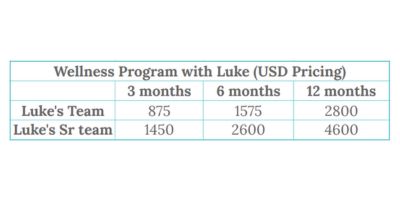
Set up a one-on-one consultation with our integrative team or enroll in our specialized Wellness Program for personalized solutions.
Reach out to us at 1800 102 0253 or write to us at [email protected].

Start Your Wellness Journey
Feeling inspired to take the next step in your wellness journey? Connect with us to explore how our tailored programs can support your health journey. Your transformation is just a conversation away.