
Intermittent fasting. You’ve probably seen it trending across reels, articles, and conversations at the dinner table. Some swear by it for weight loss, energy, and mental clarity. Others claim it made them feel weak, irritable, or confused. So which is it? A wellness breakthrough—or just another health fad?
Here’s what I believe: Fasting isn’t new. It’s been around for centuries—in spiritual practices, traditional medicine, and even nature. But today, it’s been pulled into the spotlight with half-truths, extremes, and a lot of noise.
Can fasting, when done right, be a powerful tool? Absolutely.
Let’s gain some clarity on what intermittent fasting really is, what it isn’t, and how to know if it suits your body. Because what works for one person may not work for another. Your lifestyle, hormones, mindset, and health conditions matter.
So if you’ve ever wondered whether fasting is right for you—or you’ve been confused by conflicting opinions—let’s slow down and unpack the science, myths, and real-life experience behind it.
What Intermittent Fasting Is—and Isn’t
Let’s clear this up first: Intermittent fasting (IF) is not a diet. It doesn’t dictate what you eat—it simply guides when you eat.
Think of it as a time-restricted eating pattern. Instead of grazing all day, Intermittent fasting introduces intentional gaps between meals to give your body time to reset, digest, and repair. That’s it.
Some common approaches include:
- 16:8 – Fast for 16 hours, eat during an 8-hour window
- 14:10 or 12:12 – More gentle versions
Now here’s what intermittent fasting isn’t: it’s not about skipping nourishment. It’s not about eating erratically or pushing through fatigue. In fact, under-eating during your eating window or forcing long fasts without listening to your body can be counterproductive.
When practiced wisely, intermittent fasting is a structured rhythm. It aligns with your body’s natural cycles, supporting processes like autophagy (cellular cleanup) and insulin sensitivity. One 2019 study published in The New England Journal of Medicine showed that time-restricted eating improved metabolic health, reduced inflammation, and supported cellular repair without compromising nutrient intake (Longo & Panda, 2019).
Source: C Manoogian, E. N., Chow, L. S., Taub, P. R., Laferrère, B., & Panda, S. (2021). Time-restricted Eating for the Prevention and Management of Metabolic Diseases. Endocrine Reviews, 43(2), 405. https://doi.org/10.1210/endrev/bnab027
So the real question isn’t “Should I fast?”—it’s “Can I create a pattern that works with my body, not against it?
Fasting isn’t about control. It’s about flow. Structure—not struggle.
The Real Benefits of Intermittent Fasting: What Science Actually Says
Let’s set the record straight: the intermittent fasting benefits go far beyond weight loss. While many people start fasting to manage their weight, the science behind intermittent fasting shows it can support your body in deeper, more holistic ways.
So, what really happens inside your body when you fast?
- Better Blood Sugar and Insulin Sensitivity
One of the most cited intermittent fasting benefits is improved metabolic health. Studies published in the New England Journal of Medicine and Cell Metabolism have shown that time-restricted eating can help lower blood sugar levels and improve insulin sensitivity—both essential for preventing and managing Type 2 diabetes.
- Cellular Repair and Autophagy
When you’re not constantly digesting food, your body gets the opportunity to clean up. Literally. A process called autophagy kicks in—a cellular ‘spring cleaning’ that removes damaged components and helps prevent chronic diseases. According to Nobel Prize-winning research, autophagy is critical for longevity and cellular health.
- Hormonal Rebalancing
Fasting naturally aligns with your body’s hormonal cycles. It helps regulate ghrelin (your hunger hormone) and leptin (your satiety hormone), leading to fewer cravings and more mindful eating. These shifts are subtle but powerful. You’re not just eating less—you’re eating smarter.
- More Energy, Less Brain Fog
Many people report feeling sharper and more alert during a fast. Why? When your body switches from burning glucose to using stored fat (ketones) for energy, your brain actually functions better. This isn’t hype—it’s biology. Research from The Journal of Nutrition and Health supports improved mitochondrial function and reduced oxidative stress with intermittent fasting.
So, if you’ve ever wondered whether fasting is just a trend, the answer is no. The science behind intermittent fasting is strong and growing.
But remember: these benefits are most potent when fasting is done in alignment with your body, not against it.
Because the truth is, intermittent fasting facts and myths get blurry fast. And the more we simplify, the more powerful this practice becomes.
Is the 16-Hour Fast the Gold Standard?
You’ve probably heard about the 16:8 method—the gold standard of intermittent fasting, right? But here’s the real question: is a 16-hour fast the secret sauce for results?
Let’s look at what science (and lived experience) say.
During the first 8–10 hours of fasting, your body finishes digesting your last meal. After about 12 hours, insulin levels begin to drop, prompting the body to switch from burning glucose to tapping into fat stores.
By 14–16 hours, you’re likely to enter mild ketosis, and cellular repair processes like autophagy ramp up. That’s where the 16-hour fast benefits come into play.
But is 16 the only number that works? Not necessarily.
Some people feel great at 14 hours, while others need to start with 12:12 before gradually moving up. If your lifestyle, sleep, or hormonal health doesn’t support 16 hours, forcing it may do more harm than good. Fasting should feel like a gentle nudge, not a punishment.
Research from the Salk Institute for Biological Studies has shown that even a 10- to 12-hour eating window can yield significant metabolic and cardiovascular benefits, especially when combined with nutritious meals.
Source: Wilkinson MJ, Manoogian ENC, Zadourian A, Lo H, Fakhouri S, Shoghi A, Wang X, Fleischer JG, Navlakha S, Panda S, Taub PR. Ten-Hour Time-Restricted Eating Reduces Weight, Blood Pressure, and Atherogenic Lipids in Patients with Metabolic Syndrome. Cell Metab. 2020 Jan 7;31(1):92-104.e5. doi: 10.1016/j.cmet.2019.11.004. Epub 2019 Dec 5. PMID: 31813824; PMCID: PMC6953486.
So no, the 16-hour fast isn’t a magic number—but it’s a widely studied benchmark. The key is listening to your body and adapting based on your energy, mood, and hunger cues.
While we’re debunking intermittent fasting myths, it’s also essential to let go of rigid rules. There’s no one-size-fits-all approach. You don’t need to chase perfection—you need to find your rhythm.
Debunking Intermittent Fasting Myths and Misinformation
When it comes to fasting, everyone’s suddenly an expert — or so the internet would have you believe. But let’s take a pause and separate intermittent fasting facts and myths. Because debunking intermittent fasting begins with clarity, not chaos.
Myth 1: Fasting slows your metabolism.
Actually, short-term fasting has been shown to do the opposite—it can increase norepinephrine levels, improve insulin sensitivity, and even enhance metabolic rate slightly. What does slow metabolism is long-term undernourishment or erratic eating—not structured, time-bound fasting. One of my clients used to snack every 90 minutes, thinking it kept her metabolism ‘revved up.’ All it did was keep her blood sugar and mood on a rollercoaster.
Myth 2: You can eat anything in your eating window.
IF is not a free pass to binge. It’s a rhythm—not a reward system. Breaking your fast with sugar-laden, ultra-processed food can undo many of fasting’s potential benefits, like gut rest and hormone balance. I once had a client who’d fast beautifully for 16 hours, then break it with dessert and coffee. His energy was worse than before. Once we added a nourishing first meal—think protein, fiber, healthy fats—his digestion, focus, and skin all improved.
Myth 3: Fasting is only for weight loss.
Weight loss can be a side effect, yes—but it’s not the only intermittent fasting benefit. IF can help with cellular clean-up, inflammation, hormone regulation, and even mental clarity. Many of my clients don’t do it to lose weight—they do it because it helps them feel better.
The science behind intermittent fasting supports it—but the quality of food, your state of mind, and how you break your fast matter just as much as when you fast.
Fasting is not a trend to fear or follow blindly. It’s a tool to be used wisely.
Let’s move from food fear to food intelligence — from myths to mindful strategy.
When Fasting Might Not Be for You
Though effective for many, intermittent fasting isn’t for everyone. And that’s perfectly okay.
We’ve worked with people across all ages and health conditions, and the truth is: your body always knows. Some thrive with time-restricted eating. Others feel exhausted, anxious, or find themselves obsessing over the clock. That’s a sign—it’s not working for you.
1. You’re in a vulnerable life stage
If you’re pregnant, breastfeeding, or recovering from illness, your body needs consistent nourishment and energy. And if you’re waking up ravenous, lightheaded, or struggling through your day, it might not be the right season for it. Strict fasting windows can be more harmful than helpful during these phases.
2. You have a history of disordered eating
Intermittent fasting can unintentionally trigger unhealthy thought patterns or restrictive behaviors. In such cases, focusing on nourishment and food freedom is far more important than timing.
3. You’re on specific medications or have chronic health issues
People with adrenal fatigue, blood sugar instability, thyroid dysfunction, or those on medications that require food may not do well with extended fasts. Always consult your healthcare provider before trying fasting.
4. Your body is sending distress signals
Feeling constantly lightheaded, exhausted, irritable, or obsessed with the clock? That’s your body saying: “This isn’t working for me.”A client of ours experienced this while forcing a 16:8 fast. Once we adjusted her routine to match her thyroid levels and work patterns, her energy bounced back.
5. You’re doing it because it’s trending
Trends don’t know your health history. Your body does. Fasting should feel like support—not struggle.
A client once came to us trying to follow a 16:8 routine. She was tired, bloated, and frustrated. Turns out, her thyroid condition and erratic work hours made strict fasting counterproductive. When we switched her to a gentler eating rhythm, her energy returned—and so did her progress.
Listen to your body, not social media trends. If fasting leaves you feeling worse, not better, don’t force it. There are many ways to nourish and heal.
Always speak to a health professional if you’re unsure. Your body deserves care; be educated, not influenced.
How to Start a Safe, Balanced Fasting Protocol
1. Begin with a 12:12 approach
Start with a 12-hour overnight fast. This is also known as circadian rhythm fasting or circadian fasting. It’s the most natural form of fasting – from sundown to sunrise. It’s how our ancestors ate when there was no electricity, and they followed the patterns of nature. For example, completing dinner by 7:30 PM, breakfast by 7:30 AM. It aligns with your circadian rhythm and is well-tolerated by most individuals. A study published in Cell Metabolism (2018) showed improved sleep and metabolic markers in adults following a 12-hour time-restricted eating window.
Source: Cienfuegos, S., Gabel, K., Kalam, F., Ezpeleta, M., Wiseman, E., Pavlou, V., Lin, S., Oliveira, M. L., & Varady, K. A. (2020). Effects of 4- and 6-h Time-Restricted Feeding on Weight and Cardiometabolic Health: A Randomized Controlled Trial in Adults with Obesity. Cell Metabolism, 32(3), 366-378.e3. https://doi.org/10.1016/j.cmet.2020.06.018
2. Prioritize nutrient-dense meals
During your eating window or building phase, focus on whole foods—healthy fats, quality proteins, fiber-rich vegetables, and complex carbohydrates. This fuels your body for fasting periods and supports satiety. Nutrient-dense diets have been shown to enhance metabolic flexibility and reduce cravings during fasting (NIH, 2020).
Source: Vasim, I., Majeed, C. N., & DeBoer, M. D. (2022). Intermittent Fasting and Metabolic Health. Nutrients, 14(3), 631. https://doi.org/10.3390/nu14030631
3. Hydrate generously
Water, herbal teas, and mineral-rich fluids support cellular cleansing and prevent fatigue during a fast. Avoid excessive caffeine, which may spike cortisol.
4. Pair fasting with gentle movement
Incorporate walking, yoga, or light strength training. Movement enhances fat utilization and preserves muscle mass. A review in Journal of Physiology (2022) supports the synergistic effect of fasting and low-intensity exercise on fat oxidation.
Source: Vieira AF, Costa RR, Macedo RC, Coconcelli L, Kruel LF. Effects of aerobic exercise performed in fasted v. fed state on fat and carbohydrate metabolism in adults: a systematic review and meta-analysis. Br J Nutr. 2016 Oct;116(7):1153-1164. doi: 10.1017/S0007114516003160. Epub 2016 Sep 9. PMID: 27609363.
Source: Dai, Z., Wan, K., Miyashita, M., Ho, R. S. T., Zheng, C., Poon, E. T. C., & Wong, S. H. S. (2024). The Effect of Time-Restricted Eating Combined with Exercise on Body Composition and Metabolic Health: A Systematic Review and Meta-Analysis. Advances in Nutrition, 15(8), 100262. https://doi.org/10.1016/j.advnut.2024.100262
5. Break your fast with intention
Avoid refined sugar or ultra-processed foods post-fast. Begin with protein, fiber, and healthy fats to stabilize blood sugar and reduce insulin spikes. The order of food intake (protein and fiber first) impacts glycemic response (Diabetes Care, 2015).
6. Adjust based on your body’s feedback
Not everyone needs to fast daily. If energy drops, moods shift, or sleep quality suffers—scale back. Personalization over perfection.
Conclusion: Fasting Is a Strategy—Not a Shortcut
Fasting is about creating structured spaces for the body to rest, reset, and repair. When practiced mindfully and paired with good nutrition, movement, and sleep, intermittent fasting can enhance energy, support gut health, and build metabolic resilience.
But the real power of fasting lies in its flexibility. You don’t need to follow a rigid schedule to benefit. You just need to listen—to your hunger, your recovery, and your rhythms.
One client of ours, a working mother juggling night shifts, saw the best results not with a 16:8 fast—but with a consistent 13-hour window that respected her sleep and energy patterns. That’s what sustainable fasting looks like: it works with your life, not against it.
Ready to take the first step towards a healthier, more joyful life?
Start small, with one manageable change today.
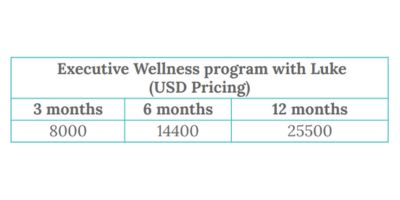
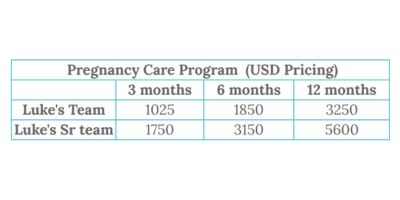
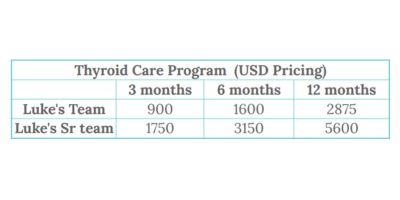
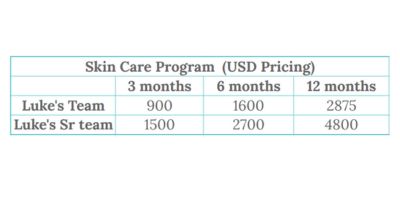
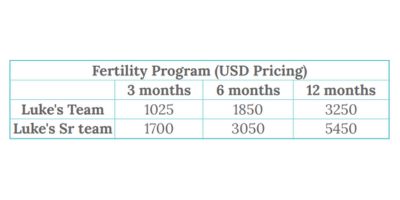
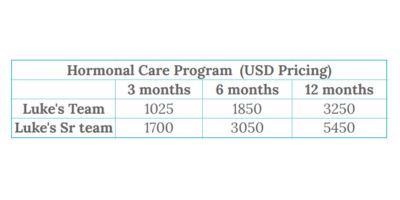
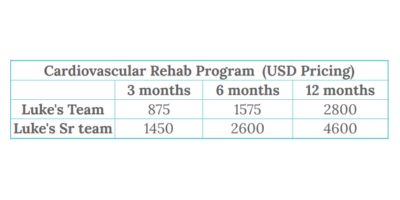
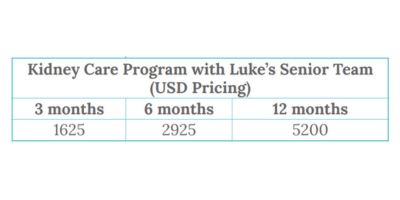
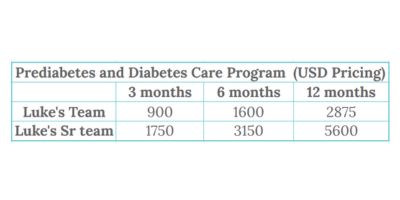
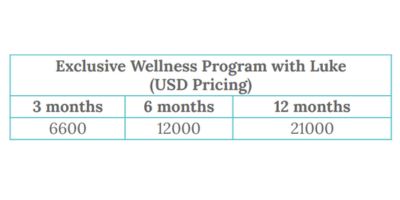
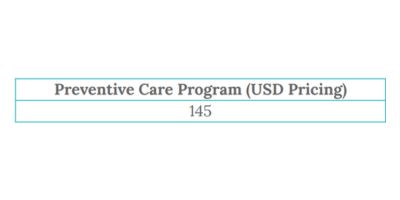
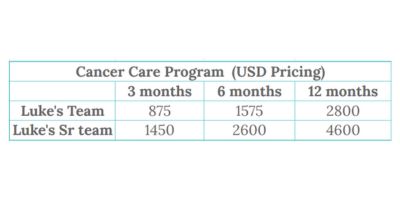
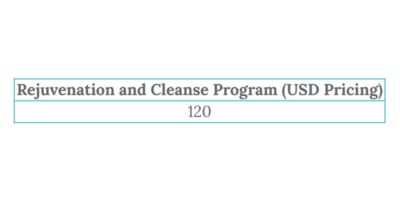
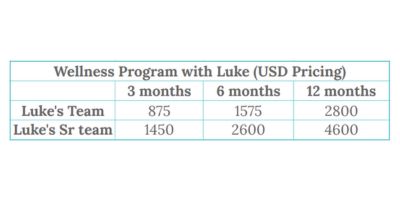
Know more about our Exclusive Wellness Program with Luke.
Set up a one-on-one consultation with our integrative team by reaching out to us at
1800 102 0253 or write to us at [email protected].
Disclaimer: Always make an informed choice. Keep your healthcare provider in the loop before trying anything new, especially if you are going through a medical condition or are on medications.

Team Luke
Our team of registered dietitians, certified nutritionists, lifestyle coaches, medical practitioners, and holistic health experts come together to share practical, accessible insights for your well-being. Whether you're seeking tips on preventive health, managing a specific condition, or simply looking to live a more balanced life, you’ll find a wealth of easy-to-apply knowledge here.
Start Your Wellness Journey
Feeling inspired to take the next step in your wellness journey? Connect with us to explore how our tailored programs can support your health journey. Your transformation is just a conversation away.