
I get asked this a lot:
- “Luke, I’m going on a beach holiday and my period’s going to show up right in the middle of it. Can I delay it somehow?”
- “I’m getting married next month, and my period is due on the exact day of the ceremony. What should I do?”
These are real questions, coming from real women—some nervous, some confused, but most of all, looking for honest answers without judgment. And that’s exactly how this conversation should be—open, stigma-free, and rooted in you taking ownership of your reproductive wellness.
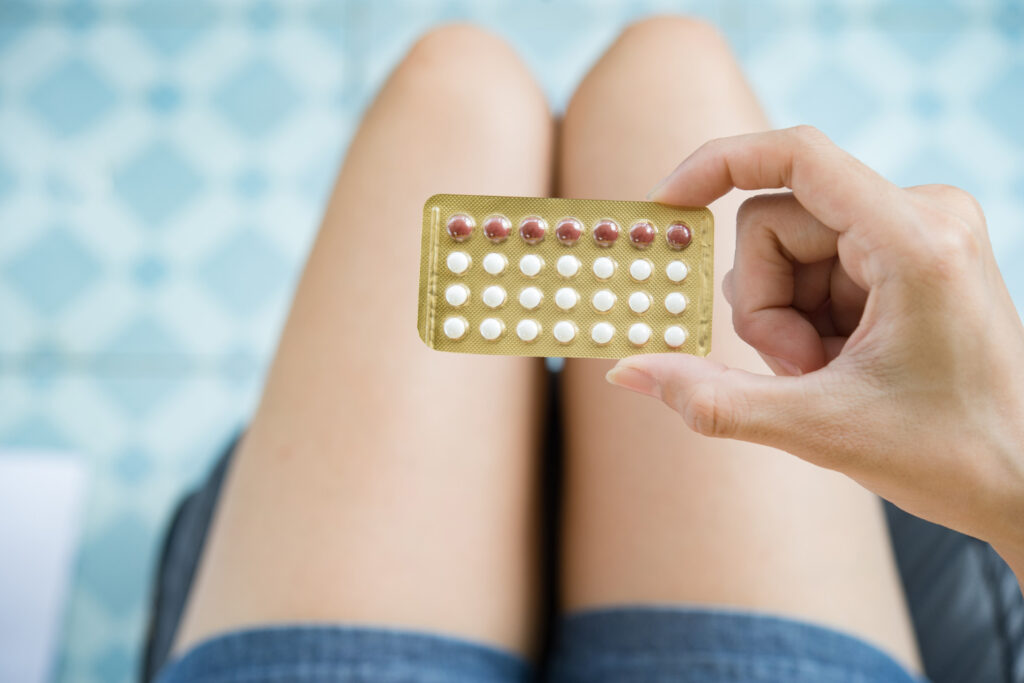
Emergency contraception, period-shifting pills, birth control temporary methods—these are not taboo. They’re tools. But like any tool, how you use them matters.
So, I want to walk you through some of the most asked questions I get around this topic:
- Is emergency contraception safe?
- What are the contraception side effects you should know about?
- Is there a right or better way to use birth control for these time-sensitive events?
- How do birth control pills compare to emergency contraceptive pills in terms of side effects and duration?
- And most importantly—what does responsible, long-term contraceptive use look like?
Because here’s the truth: a lot of women are going to take that pill anyway—sometimes out of urgency, sometimes out of habit.
So, the real question is: Can we make that choice better, safer, and smarter?
Let’s understand it together.
What Is Emergency Contraceptive Use & When Is It Needed?
Emergency contraception is a pill (or in some cases, a copper IUD) that helps prevent pregnancy after unprotected sex. Think of it like a seatbelt in a sudden brake—it’s not what you plan to use every day, but when something unexpected happens, it can help reduce the risk of an unwanted outcome.
It’s meant for emergencies only, and not as a regular birth control method.
When Might You Need Emergency Contraception?
Here are some real-life situations where emergency contraception might come into play:
- The condom broke or slipped.
- You missed your regular birth control pills for a couple of days.
- You had unprotected sex and weren’t sure if you were ovulating.
- You weren’t planning on having sex but it happened, and you weren’t protected.
In these moments, emergency contraception becomes your backup—not your Plan A, but Plan B.
But It’s Not Meant for Regular Use
This part is super important.
Emergency contraception is a short-term fix. If you’re relying on it often, it’s time to step back and reassess. There are many other reliable options for ongoing contraceptive use—like combined hormonal pills, which are designed for everyday protection and have a much lower failure rate when used consistently.
While emergency pills do their job in emergencies, they’re less effective than regular birth control temporary methods. In fact, relying on them repeatedly can increase the annual risk of pregnancy compared to regular use of contraceptive pills.
Plus, using them too often might temporarily mess with your cycle—causing spotting, early or delayed periods. These are not harmful, but they can be unsettling. That’s where we begin to see some contraception side effects, especially when used without guidance.
Timing Matters: The Sooner, the Better
When it comes to emergency contraception, timing is everything.
I often tell the young women and couples I work with—emergency contraception is not a pill you sit and think about for days. If something unexpected happens—a condom breaks, you miss your pills, or you’re just unsure—take action quickly. Your window is short, and acting fast makes all the difference.
How Does It Work, Exactly?
Emergency contraceptive pills mostly work by delaying ovulation—that’s the release of an egg from your ovary.
No egg? There is no chance of fertilization.
Some pills may also make it harder for sperm to reach the egg or for a fertilized egg to attach to the uterus lining. But the key action is to stop ovulation before it happens.
And to do that well…you need to beat the clock.
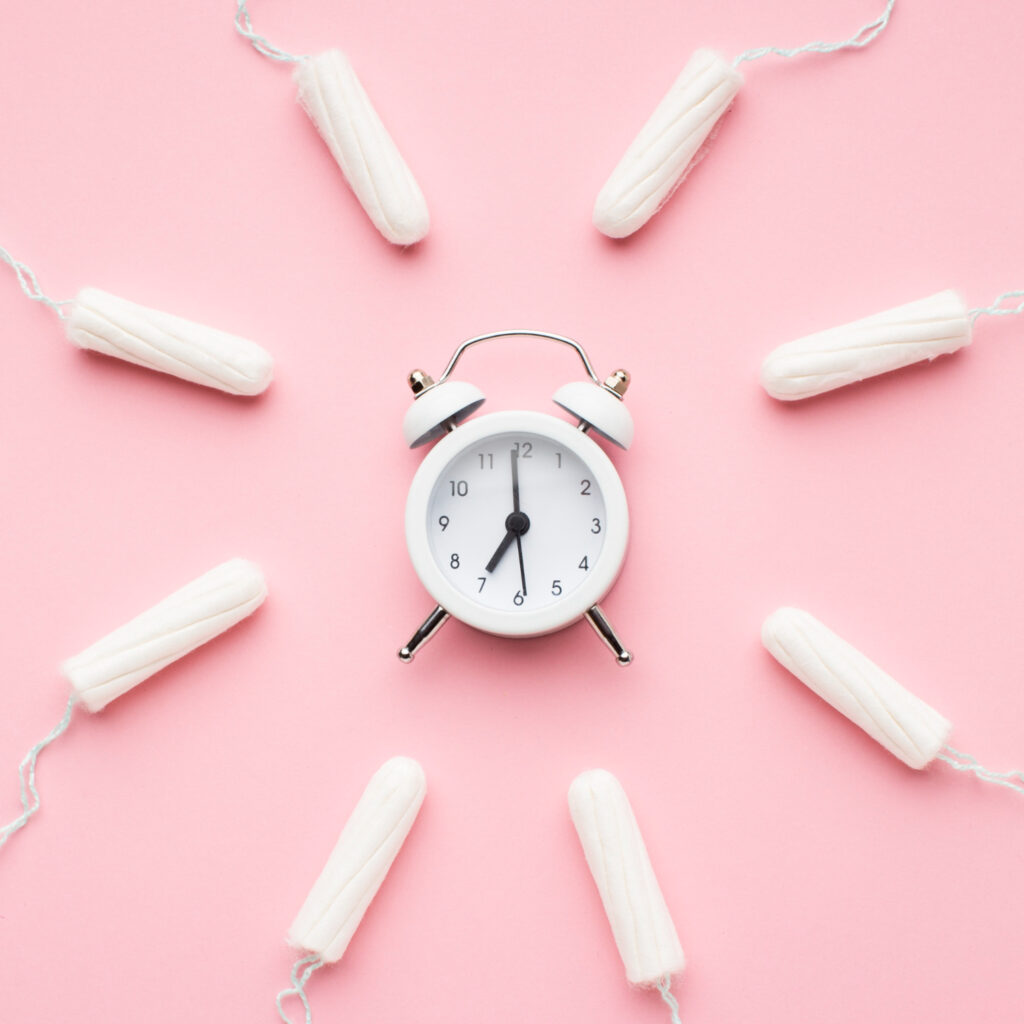
Why Every Hour Counts?
Here’s what science tells us:
- Within 24 hours: ~95% effective
- Within 48 hours: ~85% effective
- Within 72 hours: ~89% effective
- After 72 hours: Effectiveness drops significantly
See the pattern? The longer you wait, the less reliable it becomes.
This is why we say it’s for emergencies—not something to overthink or delay. It’s not just about taking the pill—it’s about taking it in time.
But What If I Missed the Window?
If more than 72 hours have passed, don’t panic, but don’t guess either.
Speak to a medical professional. There are other options like the copper IUD, which can be used as emergency contraception up to five days after unprotected sex—and it’s also a long-term birth control temporary method.
Emergency Contraception vs. Regular Contraceptive Methods: What You Need to Know
So many young women—some of whom write to me personally—are using emergency contraception as a regular backup plan. And, I get it. Life is unpredictable. You’re traveling, and you meet your partner occasionally, but it’s not always planned. You feel like popping that pill is the safest and fastest way out.
But here’s what Dr. Nozer Sheriar, one of India’s most respected gynecologists, shared with me in our podcast that I believe every woman (and man) should hear:
- Emergency contraception will prevent about 80% of pregnancies.
- Regular contraception prevents 99% over a year.
- But when you add up the risk of emergency contraception month after month—it gives you around a 24% chance of failure in a year. That’s a big gap.
Let me break this down:
- If you’re on regular birth control pills, the risk of an unplanned pregnancy over a year is only 1%.
- But if you keep using emergency contraception after every unprotected encounter—month after month—your risk jumps to 24% a year.
It’s like credit card interest.
2% risk every month doesn’t feel like much until it piles up. And suddenly, you’re looking at a real possibility of an unplanned pregnancy—despite thinking you’re being careful.
Quick Start Contraceptive Use: There’s a Safer, Smarter Way
If you’ve been relying on emergency contraception more often than you’d like, there’s something called the ‘quick start’ method. A qualified medical professional can help you start combined hormonal pills right away—even if your periods aren’t perfectly regular.
These pills not only offer consistent protection but also help regulate menstrual cycles and reduce birth control side effects when prescribed properly.
And remember: barrier methods like condoms are always a smart addition. They don’t just help prevent pregnancy, they also protect you from infections—especially when you’re not in a long-term monogamous relationship.
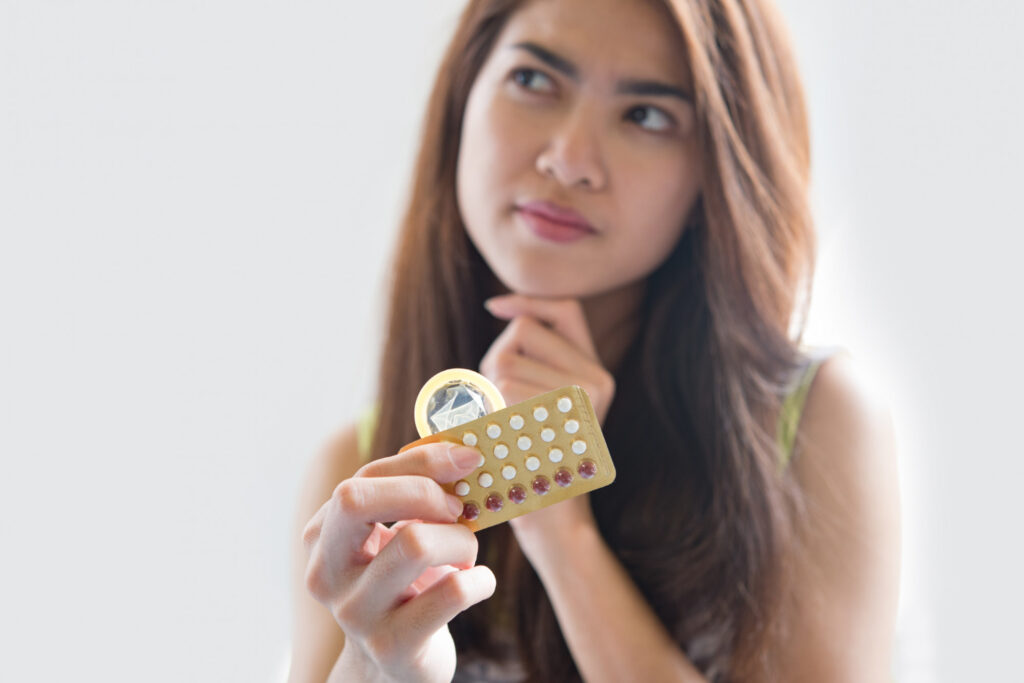
Why Emergency Contraception Shouldn’t Be Your Primary Method
Now, let me be clear. I’m not here to create fear around emergency pills. They’re safe, effective, and essential when you need them. But let’s use them the way they’re designed to be used: in true emergencies.
If intimacy is a regular or semi-regular part of your life, or even if it might be, then don’t gamble with your health. Talk to a trusted doctor. Ask about temporary birth control methods, contraceptive use options, and contraceptive pills’ duration—and choose what’s right for you.
Here’s something Dr. Nozer emphasized that stuck with me:
“If you’re in a relationship where intimacy might happen, even occasionally, it’s better to explore long-term methods. And most importantly—talk to a professional. Don’t just Google.”
A Word to Young Girls: You Deserve Guidance, Not Guesswork
If you’re reading this and you’re young, maybe confused, or even scared—please know this:
- There’s no shame in being curious about sex, contraception, or your body.
- There are kind, respectful, professional doctors who will keep your confidence and help you make informed choices.
- Your goal isn’t just to avoid pregnancy—it’s also to protect your hormonal health, avoid infections, and find peace of mind.
So yes, emergency contraception has its place. But if you’re depending on it every time, it’s time to rethink the strategy.
Side Effects of Emergency Contraceptive Use — What to Expect
Whenever I speak to young women (or even their concerned parents), one of the first questions is:
- “Are the side effects of emergency contraception dangerous?”
- “Will it mess up my periods or hormones?”
- “Is this worse than regular birth control?”
And these are valid concerns. Your body matters. Your hormones matter. And yes, what you put into your body should always come with awareness—not anxiety.
So let’s clear things up.
Short-Term Emergency Contraception Side Effects You Might Notice
Here’s what you might experience:
- Nausea or slight stomach upset
- Headache or mild dizziness
- Fatigue or feeling a bit off
- Temporary spotting or light bleeding
- Changes in your next period, may come earlier, later, heavier, or lighter
For most people, these pass within a few hours to a few days.
For more insights on contraception side effects, watch this:
What About Regular Birth Control Pills’ Side Effects?
You might be wondering how emergency contraception compares to regular contraceptives.
Here’s a simple view:
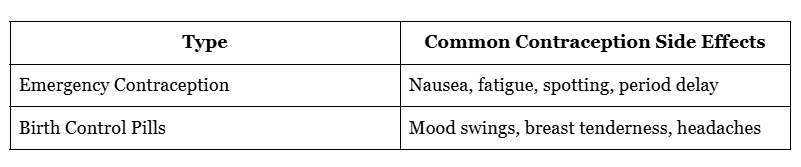
Both are forms of hormonal contraception, so some overlap exists.
- However because emergency pills are taken as a one-time dose, their impact is often short-lived.
- Regular birth control pills, on the other hand, are taken daily, which means their side effects may be more noticeable at first, but also tend to balance out over time.
And here’s something else:
Birth control pills’ side effects can also include things like acne improvement, lighter periods, and more regular cycles—especially when the method is tailored to your body.
These pills, as part of birth control methods, come in low-dose, safe, and manageable forms when taken with medical guidance.
Here’s What I Want You to Remember
Side effects of contraception—whether emergency or regular—are generally mild and temporary.
Just because you experience a symptom doesn’t mean something is wrong.
Your body is just adjusting to hormones—and most people bounce back quickly.
Whether it’s the contraceptive pills duration or contraceptive use frequency, what matters most is choosing the right method for YOU.
If you’re someone who panics over every symptom, you’re not alone. If something feels off or lasts unusually long, speak to a gynecologist or trusted health expert.
The Integrative Lens on Contraceptive Use: More Than Just Pills
Let’s step back for a moment.
Yes—we’ve spoken about emergency contraception, birth control pills’ side effects, and how to choose between the many birth control temporary methods available. But now, I want to invite you to look at this through a bigger, more integrative lens.
You see, reproductive well-being isn’t just about popping a pill or counting cycle days.
It’s not just about what to do after or before sex.
It’s about creating balance inside your body and understanding that your hormonal and sexual health is deeply connected to everything else going on in your life.
Let me break this down for you.
1. Hormonal Balance
Your hormones don’t work in isolation. They’re not just affected by the contraceptive use or contraceptive pills duration—they’re shaped by:
- How much sleep you’re getting
- How stressed you are
- Whether you’re eating nutrient-rich, real food
- How often do you move your body
- Even how safe and emotionally connected you feel in your relationship
So if your hormones are all over the place, the solution is rarely just a pill—it’s looking at the entire system.
2. Cellular Nutrition
If your cells don’t get the nutrients they need, your hormones can’t function properly.
That means issues like mood swings, irregular periods, or even intense contraception side effects become more likely.
So before we talk about changing pills or switching methods, we often check for deficiencies in Vitamin D, B12, magnesium, and iron. These directly impact how your body processes hormones, handles stress, and repairs itself.
3. Stress
Let’s not underestimate this. Chronic stress can do more damage than junk food and a bad pill combined.
It can:
- Disrupt ovulation
- Harm your gut health
- Spike cortisol, affecting estrogen and progesterone balance
- Make birth control pills’ side effects feel worse than they actually are
That’s why I always say—a stressed-out mind leads to a stressed-out body. It doesn’t matter how perfectly timed your pills are if your nervous system is not balanced.
4. Movement, Sleep & Emotional Health
- Move your body. Even walking counts.
- Get your 7–9 hours of quality sleep.
- Journal. Meditate. Talk it out.
- Spend time in nature, in silence, or doing things that bring joy.
When these basics fall into place, your body responds. Periods become more regular. Contraceptive use becomes more effective. And even the duration of contraceptive pills feels easier to navigate because your body isn’t in constant fight-or-flight.
Tailor-Made Strategies, Not One-Size-Fits-All
There’s no one pill, diet, or habit that works for every woman.
Each woman’s body, lifestyle, emotional well-being, and relationship with sex are different.
That’s why when we work with women—especially young girls or those navigating PCOS, acne, irregular periods, or mood issues—we look at everything, not just the pill.
Because sometimes the solution isn’t switching to another brand—it’s healing the root, and creating a strategy that’s as unique as you.

Lastly, Talk to Someone Who Knows the Full Picture
Find a doctor, a hormone expert, a good integrative practitioner, someone who can:
- Explain the short-term and long-term effects
- Tailor a plan that suits your cycle, lifestyle, and goals
- Help you choose between options based on your unique body chemistry
This isn’t about fear. It’s about empowerment.
Please, Don’t Self-Medicate
Emergency contraception is safe when used the right way, but when it becomes the go-to method, we’ve got a problem.
Without proper guidance, we’re putting our hormones, fertility, and emotional health on a rollercoaster.
And the long-term impact? It’s not always visible right away.
So before starting, stopping, or switching anything, get help from someone who sees your whole picture, not just the symptoms.
The Last Word
If there’s one message I want you to take away from this, it’s this:
Awareness is your superpower.
Not fear. No shame. Not confusion.
When you understand your body, truly understand it, you stop living reactively.
You stop relying on quick fixes and start making mindful, informed choices.
Disclaimer: This blog is intended for educational and informational purposes only. It is not a substitute for professional medical advice, diagnosis, or treatment. Always consult your doctor, gynecologist, or a qualified healthcare provider regarding any questions you may have about contraception, sexual health, or hormonal balance.
Struggling with contraception side effects, hormone imbalances, irregular periods, or mood swings?
We’re here to support YOU every step of the way.
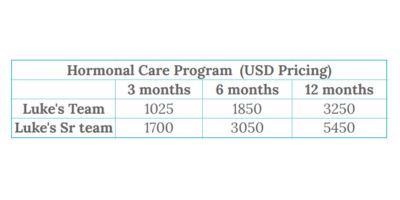
Set up a one-on-one consultation with our integrative team or enroll in our specialized Hormonal Care Program for personalized solutions.
Reach out to us at 1800 102 0253 or write to us at [email protected].

Start Your Wellness Journey
Feeling inspired to take the next step in your wellness journey? Connect with us to explore how our tailored programs can support your health journey. Your transformation is just a conversation away.