A lot of people have been messaging lately asking, “Hey Luke, I just saw this video on Instagram, someone took hormone replacement therapy (HRT), and suddenly their energy skyrocketed, their libido came back, their menopausal symptoms vanished. Should I try it too?”
If you’ve found yourself asking this after scrolling through social media, you’re not alone. Social media is filled with transformation reels and glowing testimonials around hormone replacement therapy, from HRT and testosterone replacement therapy (TRT) to bioidentical hormones.
But here’s what we need to remember: your hormones are not isolated switches you can flip on or off. There’s no denying the vital role of hormone balance in our energy, mood, metabolism, and overall well-being. They are part of a highly intelligent system. When we bypass the basics and jump straight to synthetic hormones, we risk missing the root and sometimes, even making things worse.
But first, let’s know what hormone replacement therapy is that we keep hearing about every day.
Hormone Replacement Therapy: What It Is and What It Isn’t
Hormone replacement therapy(HRT) is a medical intervention designed to supplement declining hormone levels, particularly estrogen and progesterone in women undergoing menopause, and testosterone in men experiencing andropause. The goal is to alleviate symptoms like hot flashes, mood swings, and decreased libido.
There are various forms of HRT:
- Synthetic Hormones: These are man-made hormones that mimic natural hormones but may have different chemical structures.
- Bioidentical Hormones: These are chemically identical to the hormones produced by the human body.
- Testosterone Replacement Therapy (TRT): Primarily used in men, TRT aims to restore testosterone levels.
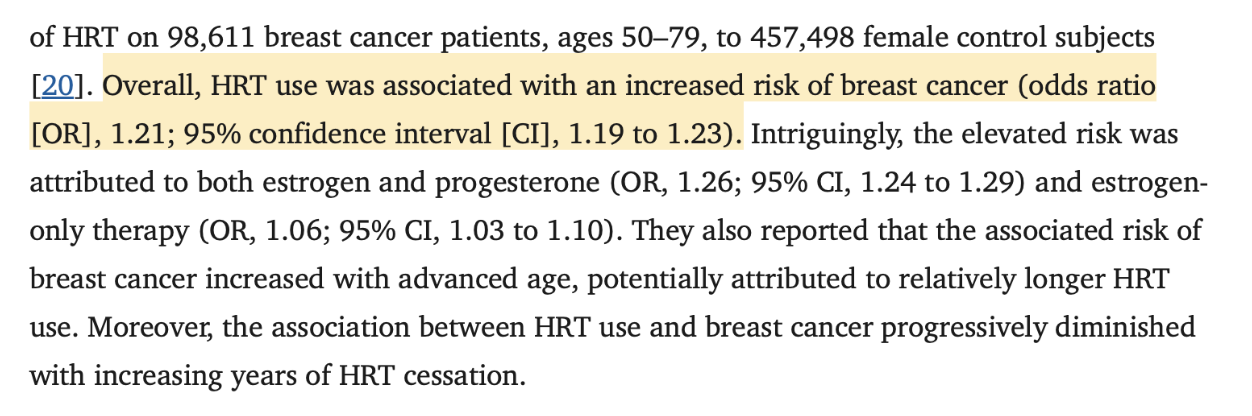
Social media often portrays these therapies as quick fixes, but hormone therapy is not a one-size-fits-all solution. The role of hormones in the body is complex, and improper use can lead to serious health issues. For instance, studies have linked certain hormone therapies to an increased risk of breast cancer and cardiovascular diseases.
The Real Role of Hormones in the Body: More Than Just Reproduction.
We often think of hormones in the context of puberty, periods, pregnancy, or menopause. But if that’s all you associate them with, it’s time for a paradigm shift.
The role of hormone activity in the body extends far beyond sexual and reproductive health. These are not just reproductive agents, they are your body’s master communicators.
Your hormones are chemical messengers that travel through your bloodstream, carrying important instructions from one cell to another.
And the messages they deliver?
Everything from how deeply you sleep at night to how you metabolize your breakfast, respond to stress, repair tissue, fight inflammation, or feel emotionally balanced during the day.
Hormones are the behind-the-scenes directors orchestrating almost every system that keeps you alive and well.
Here’s how deep the role of hormones goes:
- Energy and metabolism: Hormones like insulin, cortisol, and thyroid hormones influence how your body uses and stores energy. Even a small disruption here can lead to weight gain, fatigue, or insulin resistance.
- Mood and cognition: Serotonin and dopamine are influenced by estrogen and progesterone. Low levels of these can affect memory, concentration, and mental clarity, which many call ‘brain fog’.
- Immune function: Hormonal signals regulate how your immune system responds to threats. Chronic stress can elevate cortisol, which, over time, suppresses immune function, making you more vulnerable to illness.
- Bone and muscle health: Estrogen isn’t just about menstrual cycles. It plays a protective role in maintaining bone density, and testosterone supports lean muscle mass and strength.
- Gut and digestion: Hormones like ghrelin and leptin regulate hunger and satiety, but they also influence how efficiently we digest and absorb nutrients. Poor hormone health can lead to bloating, constipation, or fluctuating appetite.
You may be unknowingly hijacking your hormonal pathways by pushing your body into a constant state of imbalance.
- Sleep deprivation? It messes with melatonin and insulin.
- Emotional stress? Increased cortisol spikes and estrogen dominance.
- Nutrient-poor food habits? That’s a direct attack on thyroid function and sex hormone production.
No food plan for hormone balance or supplement can outdo a misaligned lifestyle.
Let’s simplify this: Your hormones will always respond to your lifestyle, whether you’re supporting or sabotaging them.
This is the part social media doesn’t talk about.
You may be tempted to jump straight to hormone replacement therapy, thinking it will fix everything. But unless the underlying causes are addressed, even the most sophisticated therapies or synthetic hormones will only offer temporary relief or cause unwanted effects.
Why Hormone Experiences Differ from Person to Person
You’ve probably heard stories like, “My friend started hormone replacement therapy and felt amazing overnight,” while someone else says, “It made me feel worse.” So, what’s the deal? Why do some people glide through menopause or andropause with minimal issues, while others face a barrage of symptoms?
The answer lies in a concept called bioindividuality.
It means that each person has a unique biological makeup, influencing how their body responds to various factors, including hormone replacement therapy.
This uniqueness stems from a combination of genetic factors, lifestyle, environment, and cultural background.
The Danger of Shortcuts: When Therapy Replaces Lifestyle
In our fast-paced world, the allure of quick fixes is undeniable. Many are turning to hormone replacement therapy as a solution to hormonal imbalances, hoping for immediate relief.
However, relying solely on synthetic hormones without addressing foundational lifestyle factors can be akin to pouring water into a leaking bucket; it may offer temporary respite, but it doesn’t resolve the underlying issues.
The Risks of Overlooking Lifestyle Foundations
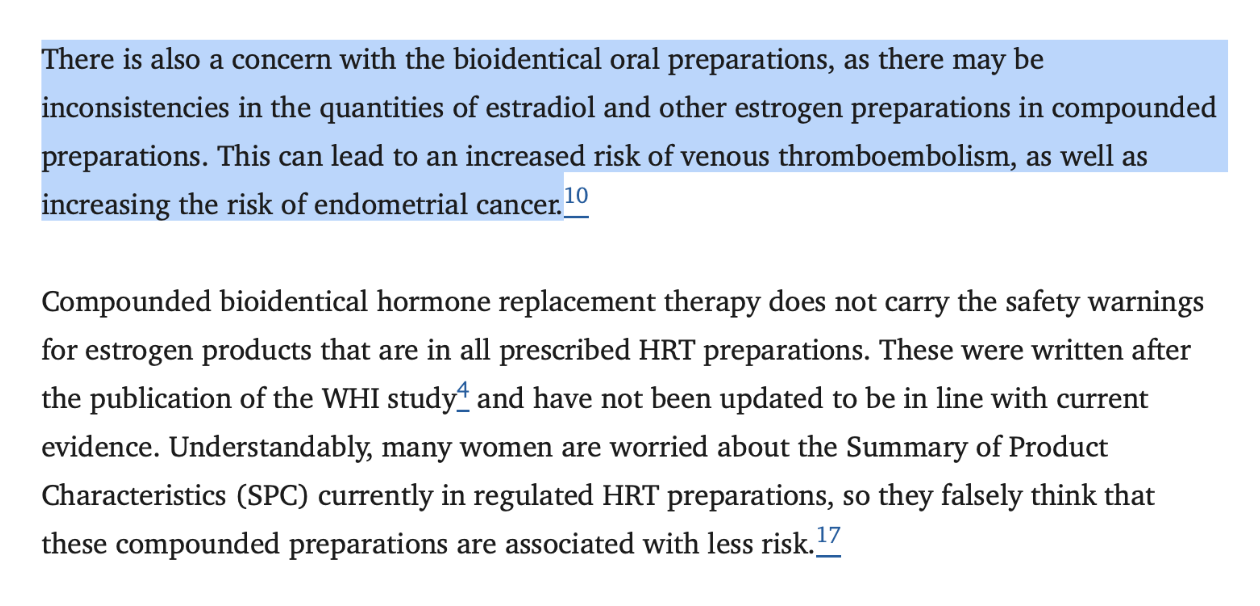
- Misconception of Bioidentical Hormones: While bioidentical hormones are often marketed as ‘natural’ alternatives, they are not inherently safer than traditional hormone therapies. There’s no substantial evidence proving their superiority in safety or efficacy compared to standard treatments. Moreover, compounded bioidentical hormones, which are custom-mixed, can vary in quality and dosage, leading to potential health risks, including an increased risk of endometrial cancer and venous thromboembolism (blood clots in the veins).
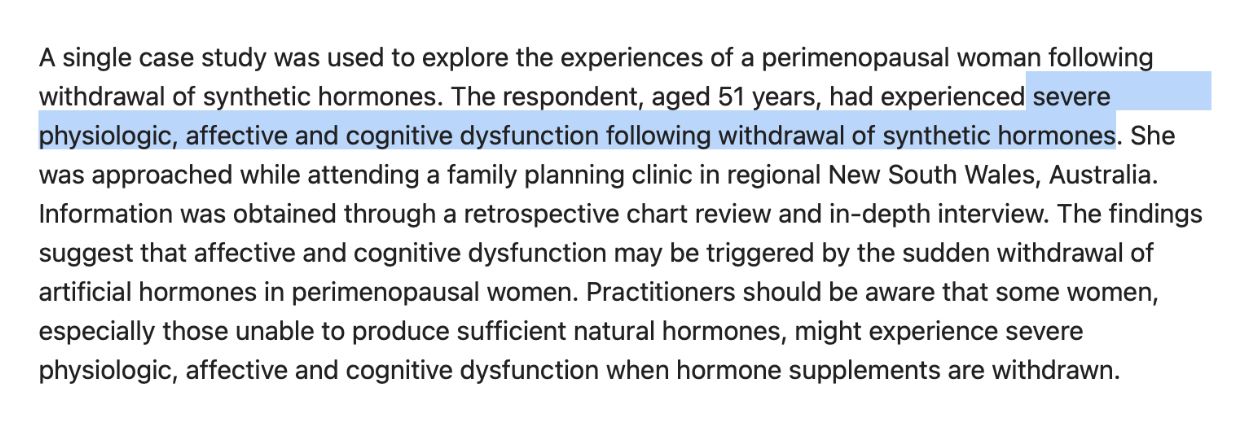
- Potential Side Effects: Unmonitored use of synthetic hormones can lead to serious health complications. Studies have linked hormone therapy to increased risks of heart disease, stroke, blood clots, and certain types of cancer.
The Imperative Role of Medical Supervision
Engaging in hormone replacement therapy should never be a decision made in isolation. Medical professionals play a crucial role in:
- Personalized Treatment Plans: Tailoring hormone therapy to individual needs, considering factors like age, medical history, and specific symptoms.
- Regular Monitoring: Ensuring optimal hormone levels through periodic lab tests and adjusting dosages as necessary to mitigate risks.
- Comprehensive Care: Addressing not just the hormonal imbalance but also guiding patients on lifestyle modifications that support overall hormone health.
The Foundation First—Lifestyle Over External Hormones
Before considering hormone therapy, it’s essential to evaluate and adjust lifestyle factors that significantly impact hormonal balance:
1. Sleep: Your Natural Hormone Reset
Sleep is a cornerstone of hormonal balance. Disrupted sleep patterns can lead to imbalances in hormones such as melatonin, cortisol, insulin, and estrogen. Poor sleep quality can impair the body’s ability to regulate these hormones effectively, leading to issues like increased stress, weight gain, and mood disturbances.
Establishing a consistent sleep schedule and creating a restful environment are essential steps toward restoring hormonal equilibrium.

2. Stress: The Silent Hormone Disruptor
Chronic stress elevates cortisol levels, which can suppress the production of other vital hormones like progesterone and testosterone. This hormonal imbalance can mimic symptoms of perimenopause and menopause, such as fatigue, irritability, and decreased libido.
Implementing stress-reduction techniques, such as mindfulness, deep breathing exercises, and regular physical activity, can help mitigate these effects and promote hormonal harmony.
3. Movement: Build Muscle, Support Hormones
Engaging in regular physical activity, particularly strength training, plays a significant role in maintaining hormonal health. Building muscle mass helps regulate insulin sensitivity and supports the balance of estrogen and testosterone levels.
Incorporating resistance exercises into your routine can enhance metabolic function and reduce the risk of hormonal imbalances.

4. Clean Nutrition: The Hormone-Friendly Food Plan
A nutrient-rich food is fundamental for hormonal balance. Consuming whole foods that are high in fiber, healthy fats, and essential nutrients supports the body’s natural cleansing processes and hormone metabolism.
Incorporate cruciferous vegetables (like broccoli and kale), omega-3 fatty acids (found in fatty fish and flaxseeds), nuts, seeds, and fermented foods to nourish your endocrine system.
Additionally, reducing exposure to xenoestrogens, chemicals found in plastics and certain cosmetics, can prevent hormonal disruptions.
5. Eliminate Alcohol, Vaping, and Smoking
Substances like alcohol, nicotine, and other toxins can interfere with hormone production and function. Excessive alcohol consumption, for instance, can disrupt estrogen and testosterone levels, leading to imbalances that affect mood, energy, and reproductive health.
Limiting or eliminating these substances can significantly improve hormonal health and enhance the effectiveness of any therapeutic interventions.
While hormone replacement therapy can be a valuable tool in managing hormonal imbalances, it should not replace foundational lifestyle practices. Addressing the root causes through comprehensive lifestyle changes ensures a more sustainable and holistic approach to hormonal health.
Disclaimer: The information shared is for educational purposes only and is NOT intended to replace medical advice, diagnosis, or treatment. Hormonal imbalances and the decision to pursue hormone replacement therapy are deeply individual and should always be guided by a qualified healthcare professional. While lifestyle strategies can significantly support hormonal health, any changes to therapy, supplements, or medication must be discussed with your doctor, especially in the presence of underlying health conditions.
When Hormone Therapy Is Actually Needed
Let’s be clear, hormone replacement therapy (HRT) isn’t inherently problematic. In fact, for certain individuals, it’s not just beneficial; it’s essential. The key lies in discerning when and how to utilize it appropriately.
When Is HRT Appropriate?
There are specific scenarios where HRT, including testosterone replacement therapy (TRT) and bioidentical hormones, is medically indicated:
- Premature Menopause or Primary Ovarian Insufficiency (POI): Women experiencing menopause before age 40 or those with POI benefit from HRT to mitigate risks like osteoporosis and cardiovascular disease.
- Surgical Menopause: Individuals who have undergone oophorectomy (removal of ovaries) often require HRT to manage sudden hormonal deficits and associated symptoms.
- Post-Cancer Treatment: For some cancer survivors, particularly those with hormone-sensitive cancers, HRT may be considered under strict medical supervision to alleviate severe menopausal symptoms.
The Importance of Medical Supervision
The efficacy and safety of HRT hinge on several factors:
- Personalized Assessment: Evaluating individual health status, risk factors, and specific needs is crucial.
- Accurate Dosage and Timing: Tailoring hormone types and dosages to the individual’s physiology ensures optimal outcomes.
- Regular Monitoring: Ongoing evaluation through lab tests and clinical assessments helps in adjusting therapy as needed.
- Lifestyle Integration: Combining HRT with a healthy lifestyle enhances benefits and reduces potential risks.
In essence, HRT should be a component of a comprehensive health strategy, not a standalone solution.
Myths and Facts About Hormones and Hormone Replacement Therapy
Myth 1: Hormone replacement therapy is a one-size-fits-all solution.
Fact: Hormone replacement therapy is highly individualized. The role of hormones varies from person to person based on genetics, lifestyle, and overall health. Personalized dosing and regular monitoring are essential to optimize benefits and minimize risks.
Myth 2: Synthetic hormones are always harmful and unnatural.
Fact: While synthetic hormones are designed to mimic natural hormones, their effects depend on the formulation, dosage, and individual response. Synthetic hormones, when properly managed under medical supervision, can be safe and effective but require careful monitoring.
Myth 3: Hormones only affect reproduction and sex drive.
Fact: The role of hormones goes far beyond reproduction. Hormones regulate metabolism, immune function, mood, sleep, and bone density. Ignoring this broader perspective can lead to misunderstandings about overall hormone health and delay effective lifestyle interventions or treatments.
There Are No Shortcuts in Health
Let’s get one thing straight: hormonal changes are not the enemy. Whether it’s the ebb of estrogen in menopause or a gradual drop in testosterone with age, these shifts are natural.
What matters is not if they’ll happen, it’s how you support your body when they do.
This is where most of us falter. In today’s fast-fix culture, it’s tempting to bypass the basics and jump straight into interventions like hormone replacement therapy. But unless we lay the right foundation first, even the best therapy can fall short, or worse, backfire.
So before reaching for external solutions, ask yourself these questions:
- Am I sleeping well and consistently? Because melatonin, cortisol, insulin, and estrogen all follow your circadian rhythm.
- Am I moving my body regularly? Physical activity improves insulin sensitivity and helps balance estrogen and testosterone naturally.
- Am I managing my stress? Chronically high cortisol is one of the biggest disruptors of hormone health.
- Am I eating real, unprocessed food? A clean, anti-inflammatory food plan for hormone balance can do more than any pill.
If your answer to any of these is ‘no’, that’s your starting point. Your lifestyle isn’t just a complementary support system, it is your first, most powerful, and most sustainable intervention.
Let’s also not forget: therapies—bioidentical, synthetic, or otherwise—are only as good as the internal terrain they enter.
You can’t plant seeds in poor soil and expect a healthy harvest.
Likewise, you can’t override a lifestyle out of alignment with a prescription.
Your Hormones Aren’t the Enemy; Your Lifestyle Could Be the Saboteur or the Solution
You don’t need to fear falling hormone levels. They’re not a sign of failure; they’re a signal. Your body is adapting, recalibrating, and asking for support. The question is, are you listening?
Instead of chasing youth or fearing change, what if we embraced this phase with the wisdom it deserves? Because here’s the truth: before you even consider hormone replacement therapy, your first responsibility is to clean up your internal environment. That means sleeping better, moving more, eating real food, managing stress, and building resilience. That’s your baseline. That’s your power.
So pause. Reflect. And begin with what you can control because your body already knows the way. All it needs is your cooperation.
Be educated and not influenced.
ALSO WATCH
Disclaimer: This blog is intended for educational and informational purposes only. It is not a substitute for professional medical advice, diagnosis, or treatment. Always consult with a qualified healthcare provider before starting any hormone replacement therapy, making changes to your food habits or lifestyle, or using supplements. Individual health needs vary, and personalized care is essential for safe and effective hormone health management.
Your journey to hormonal harmony starts with one choice: to prioritize YOU.
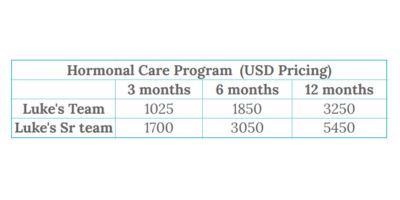
Join our Hormonal Care Program that honors your unique body and lifestyle, not quick fixes.
It’s time to reclaim your balance, energy, and life with a plan designed just for you.
Schedule a one-on-one consultation with our experts by calling us at 1800 102 0253 or emailing us at [email protected].

Start Your Wellness Journey
Feeling inspired to take the next step in your wellness journey? Connect with us to explore how our tailored programs can support your health journey. Your transformation is just a conversation away.