
Somewhere along the way, we started isolating ourselves. Not just emotionally—but physically. Workouts became solo checkboxes. Headphones in, eyes down, get it done. But something vital went missing in that shift—community.Now, we’re seeing a return. Across parks, terraces, local gyms, and online platforms, people are coming together again—not just to sweat, but to reconnect. Group workouts are back, and they’re reminding us of something powerful: we’re not meant to do this alone.
Whether it’s a weekend dance session, a sunrise walk, or a group muscle workout, the energy of moving with others boosts not only motivation, but meaning. Shared routines reduce stress, increase accountability, and most importantly, revive a sense of belonging.
We show up differently when others are beside us. Exercise in group settings taps into something deeper than discipline—it taps into our need for shared purpose, joy, and support. And in a world still recovering from disconnection, this kind of social wellness isn’t optional. It’s essential.
Let’s explore why group movement is resurging, how it fuels physical, emotional, and community health, and how you can make it a joyful part of your life again.
The Psychology Behind Group Workouts
Movement is never just physical—it’s a behavioral pattern shaped by how we connect. And when we move with others, we unlock a completely different form of motivation. Group workouts work not because they’re trendy, but because they speak to something ancient in us: the need to belong, mirror, and feel supported.
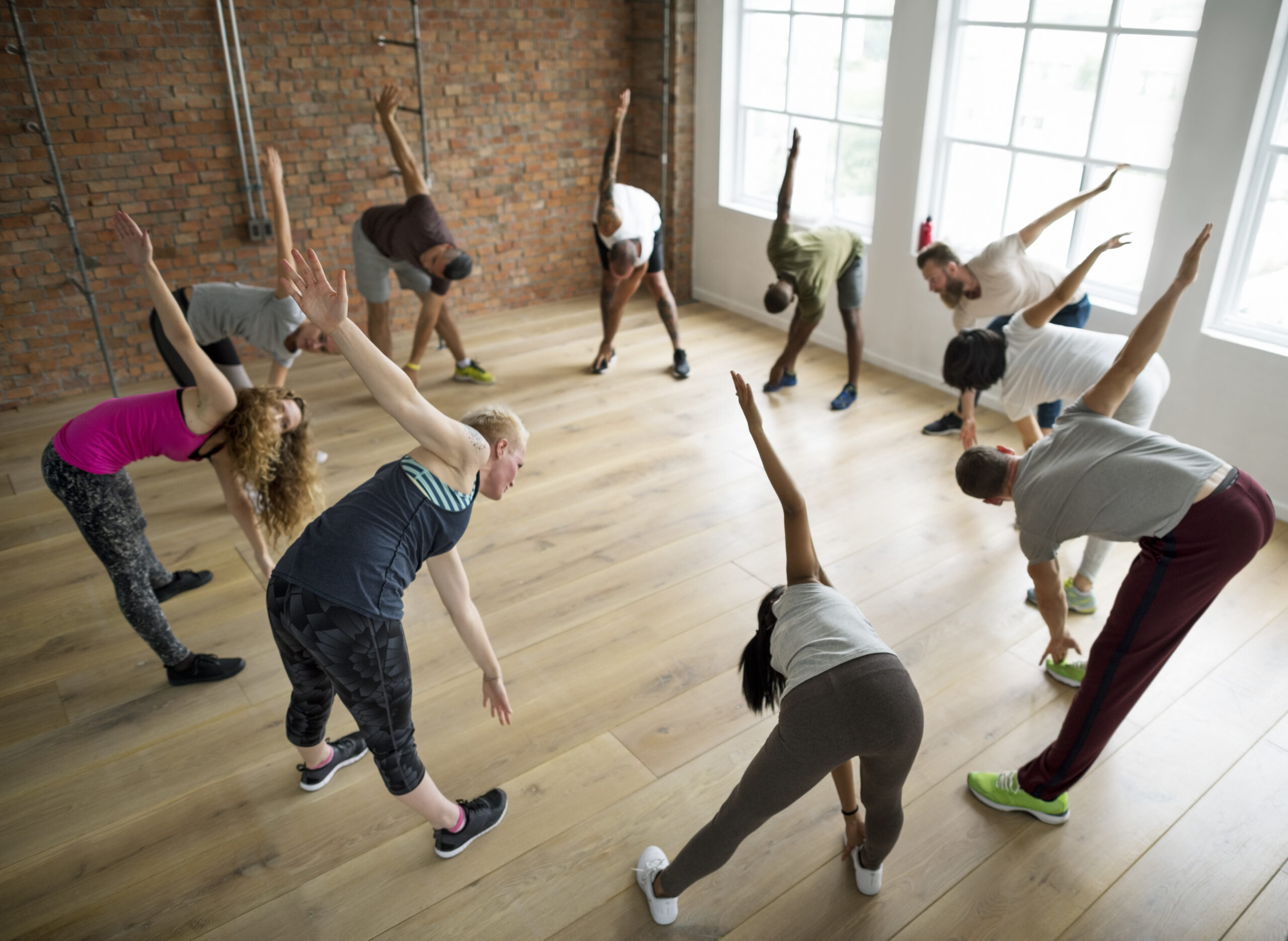
Here’s why exercise in group settings shifts the way we show up:
- Built-In Accountability
We’re far more likely to follow through when someone’s expecting us. It’s not about discipline—it’s about mutual respect. A morning walk, a group class, even a shared virtual check-in builds that loop of showing up.
- Mirror Neurons in Action
Our brains are wired to mirror the people around us. When we move in sync—whether walking, cycling, or dancing—it triggers empathy, focus, and cohesion. This is why just being around others in motion helps us stay in motion.
- Emotional Safety Over Performance Pressure
Group settings, especially beginner-friendly ones, reduce intimidation. The energy shifts from “how well am I doing?” to “we’re all doing this together.” That subtle shift helps reduce anxiety and builds a sense of trust.
This is where social wellness begins. In showing up for movement, we quietly begin showing up for each other. And that changes everything—from motivation to mindset.
Physical Benefits of Group Workouts
Group workouts don’t just build momentum—they build results. Studies show that people who train in groups are more likely to stick to their fitness routines, push themselves harder, and recover better over time. Why? Because the environment does half the work.
Here’s how a group muscle workout helps you train smarter, not just harder:
- Better Adherence, Lower Dropout Rates
A study in the Journal of Social Sciences found that people who exercise with others tend to train for longer and more frequently than those who go solo. The shared rhythm and routine improve consistency—one of the biggest markers of physical progress.
- Improved Form Through Peer Learning
Even without formal instruction, observing others in a group workout helps you refine your form. You learn, correct, and adjust just by being around people doing the same thing—with less effort than reading or watching tutorials alone.
- Greater Strength and Endurance
There’s a different energy when others are lifting beside you. The group effect raises your output—you hold the plank longer, take fewer breaks, complete the reps. That adds up to better muscle endurance and strength over time.
- Progress Feels Measurable—and Motivating
Whether it’s a 21-day plan or a weekly challenge, group settings often come with structure. You track your progress, celebrate small wins, and get positive reinforcement from others. That’s dopamine working in your favor.
The takeaway? Exercise in group formats aren’t just more fun—they’re often more effective. They give your physical practice rhythm, structure, and just enough challenge to keep it sustainable.
Emotional and Social Wellness Through Workouts
Movement has always been medicine—but when done together, it becomes emotional nourishment too. One of the most overlooked aspects of a group workout is how it supports mental and emotional health—not just through biology, but through belonging.
Here’s how exercise in group formats help foster deeper social wellness:
- Reduces Anxiety and Emotional Fatigue
Group workouts boost endorphins and lower cortisol—the body’s primary stress hormone. The result? Less anxiety, more calm, and a greater sense of balance, especially when the group setting feels emotionally safe. A 2017 study published in the Journal of the American Osteopathic Association found that participants in group fitness classes reported significantly lower stress levels and improved mental, physical, and emotional quality of life compared to those exercising alone.
- Encourages Emotional Expression and Regulation
Whether it’s a dance class, a walking group, or a group muscle workout, physical movement allows the body to release stored tension. A supportive environment in group exercise can amplify your emotional health. When shared with others, this process becomes validating and energizing, helping us process emotions more effectively.
- Builds a Sense of Belonging and Enhances Social Wellness
Humans are tribal by nature. Showing up for a class, cheering others on, or simply finishing a circuit together creates emotional bonds that reduce loneliness and deepen self-worth. A meta-analysis published in Perspectives on Psychological Science concluded that strong social relationships are associated with a 50% increased likelihood of longevity. Group fitness supports this by creating consistent touchpoints for shared experience, accountability, and celebration—no matter your age or background.
- Rejuvenates the Spirit Through Connection
The shared sweat, the laughter, the “I almost quit but didn’t”—these little moments of connection feed not just the body but the spirit. They remind us that wellness isn’t about isolation—it’s about togetherness. Research on ‘synchronous movement’ shows that coordinated group exercise (like walking in rhythm or dancing together) activates mirror neurons, promoting empathy, emotional bonding, and even pain tolerance. The experience of doing challenging things together fosters a lasting sense of camaraderie and upliftment.
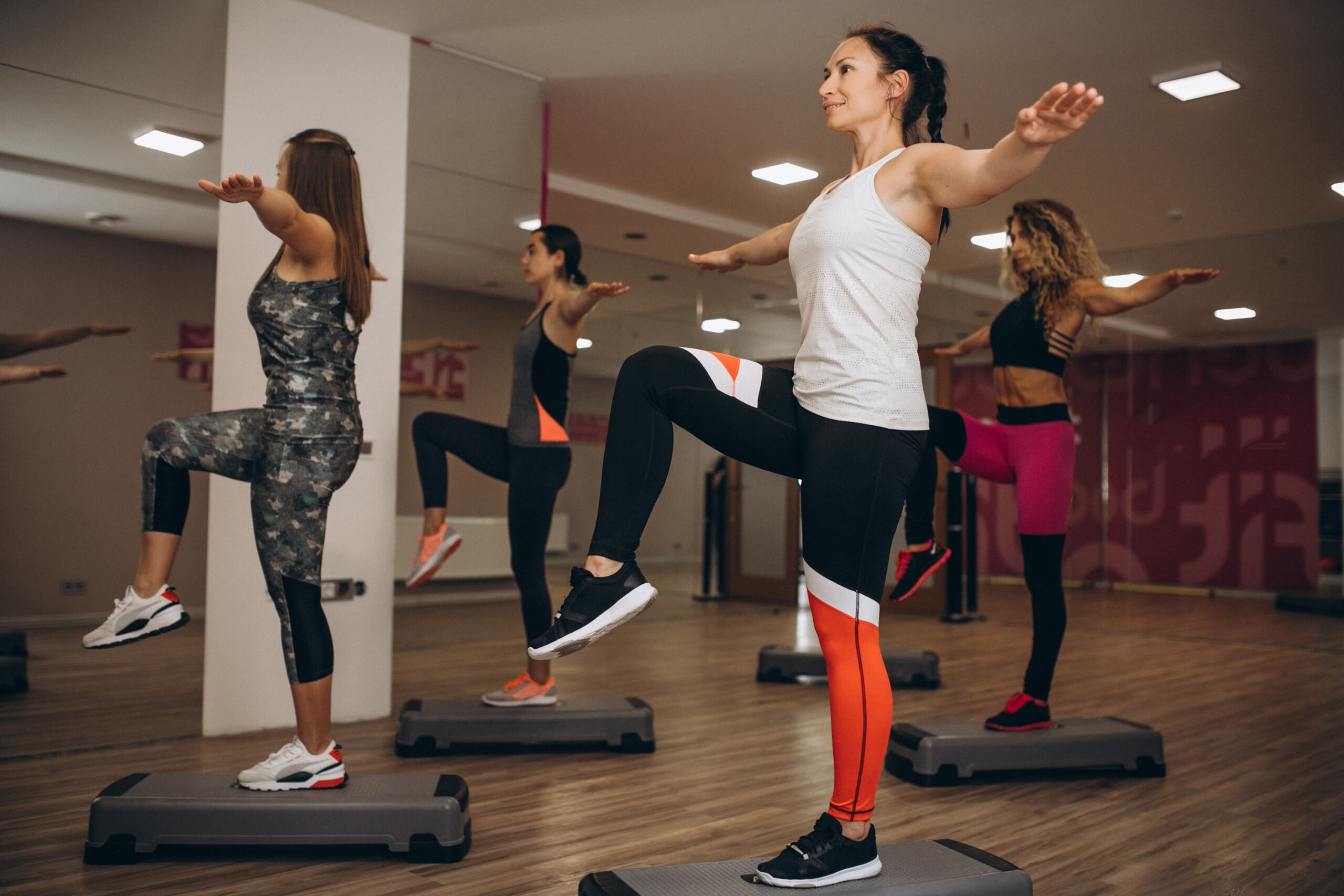
In a time where digital connection often replaces real interaction, exercise in group formats give us a rare opportunity to connect face-to-face, heart-to-heart. That’s the true meaning of social wellness—and group fitness gives us a simple way to practice it daily.
The Power of Challenges: Finding Your Momentum Together
Sometimes, what we need most to get moving isn’t more information—it’s structure and someone to do it with.
That’s where challenges help. Not because they’re trendy, but because they give us a reason to show up. Whether it’s a 7-day walk, 21-day exercise challenge, or 21-day group muscle workout plan—it’s the rhythm that matters, not the intensity.
You don’t have to wait for the perfect program, like a 21-day fat loss challenge. Start small. Grab two neighbors from your place of residence. Send a voice note to your best friend. Create a WhatsApp group. Call it something silly. And just start.
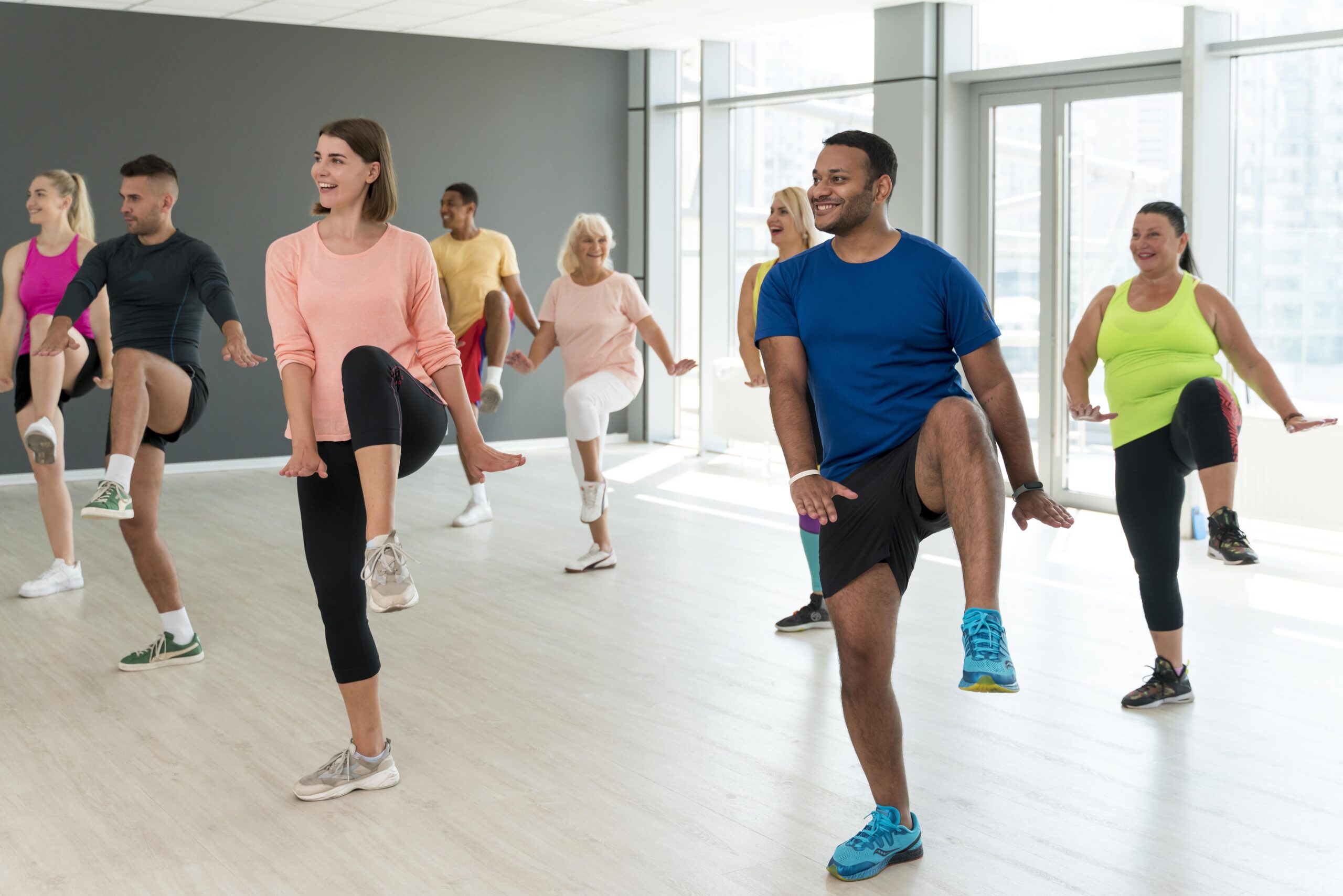
Because habits don’t magically stick. Research says it takes around 21 days to form a new one, and even 7 days of consistency can spark real momentum. And if you know you struggle to follow through alone, lean into community. Exercise in group formats—whether in-person or virtual—can offer that gentle push.
Group Workouts: Where Do You Start?
You don’t need a gym membership, fancy gear, or the perfect schedule to be part of a group workout routine. What you need is people—and a little intention.
Start by looking around you. Is there a park nearby with a morning yoga group? Can you invite a few colleagues for a 15-minute walk during lunch? Could your building’s terrace become the new spot for a weekend stretch or bodyweight session?
You don’t have to organize anything big. Just get two or three people moving together. Keep it casual. Keep it consistent. And most importantly, make it safe and welcoming for all levels—because the most effective exercises in group settings are the ones where everyone feels included.
You can also make this fun. Plan a weekly hike or Sunday cycling circuit with friends– a great way to build social wellness while being active. Start a 10-minute movement challenge with your partner, or even consider a self-organized 21-day exercise challenge among friends. Take your kids for evening walks and turn it into a game. Fitness doesn’t have to be formal—it can be your way of bonding and building a small group workout. When movement becomes something you share, it stops being a task and starts becoming time well spent.
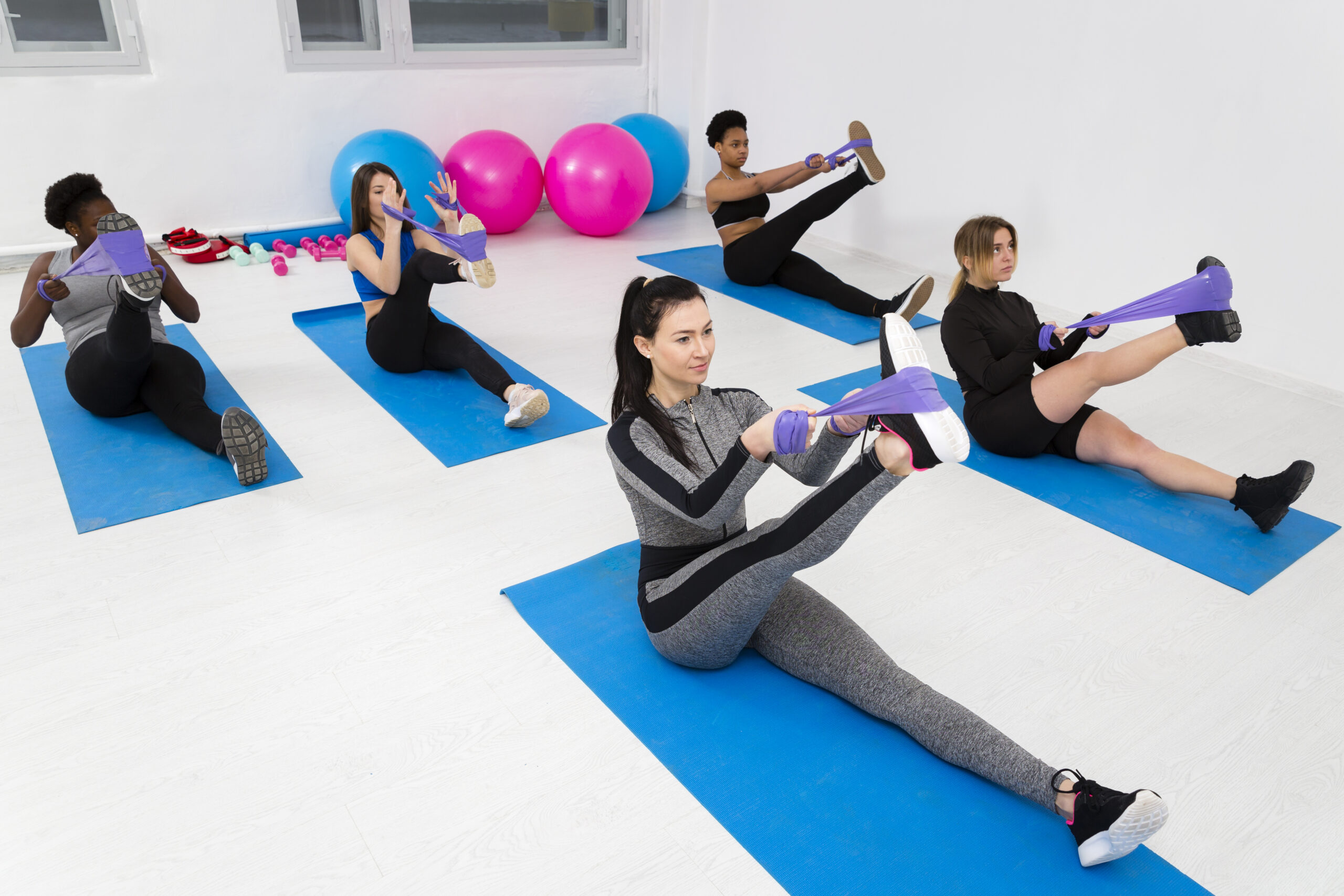
Prefer virtual connections? Join an online yoga or dance class. Keep your camera off if you like. Or just be part of the chat, the check-ins, the accountability loop. It’s enough.
If you’re looking for a place to begin, join us in Luke’s Wellness Tribe on Facebook. It’s where people like you are walking, breathing, stretching, lifting—together. No pressure. Just shared progress.
Conclusion: Wellness Isn’t a Solo Sport
One of my favourite things to witness at Team Luke is how seriously—and joyfully—everyone takes their fitness. It’s not just about working out—it’s about showing up for one another. Some days, we’re pushing through a HIIT session together. Other days, it’s a walk, a stretch, a few laughs between reps. But the one constant is its energy. When someone’s low, the others lift. When one of us sets a goal, the rest rally.
That’s what movement in a community does—it multiplies strength, accountability, and motivation. Science backs this too: studies show that people who exercise in group settings are more consistent, report higher enjoyment levels, and are less likely to drop out over time. Why? Because we’re wired for connection. And movement is one of the most powerful ways to reconnect—with yourself, and with others.
So if you’ve been struggling to stay consistent, try inviting someone in. Start small. Build your circle. Or simply find a space where people are cheering for your well-being, not your performance.
Because fitness isn’t about going further alone. It’s about going together—and enjoying the journey while you’re at it.
Ready to Make Your Health a Priority?
Start your journey with one positive action today.
Book a Consult with Our Fitness Experts.
Looking for personalized advice? Reach Out to Team Luke’s Integrative Health Coaches!
Book a one-on-one with our team. Call: 1800 102 0253 or write to us at [email protected].
Disclaimer: The information provided in this blog is intended for educational purposes only and is not a substitute for professional medical advice, diagnosis, or treatment. Always consult with your healthcare provider before making any changes to your nutrition, exercise routine, or lifestyle. The effectiveness of the strategies mentioned may differ from person to person. The content is based on current research, but it is important to remember that science and health recommendations may evolve over time.

Start Your Wellness Journey
Feeling inspired to take the next step in your wellness journey? Connect with us to explore how our tailored programs can support your health journey. Your transformation is just a conversation away.