
Who doesn’t want to live to 100, cherish a life full of experiences, and achieve their dreams?
In a world obsessed with quick fixes and fast-paced living, the idea of a long, healthy, and fulfilling life—or what we now commonly refer to as true longevity—can seem almost mythical.
For many, understanding the secret of Blue Zone living offers real, research-backed insight into how to achieve this kind of longevity.
Yet, for centenarians in Blue Zones, the regions of the world with the highest concentration of people living to 100 and beyond, longevity isn’t a mystery. It’s a way of life.
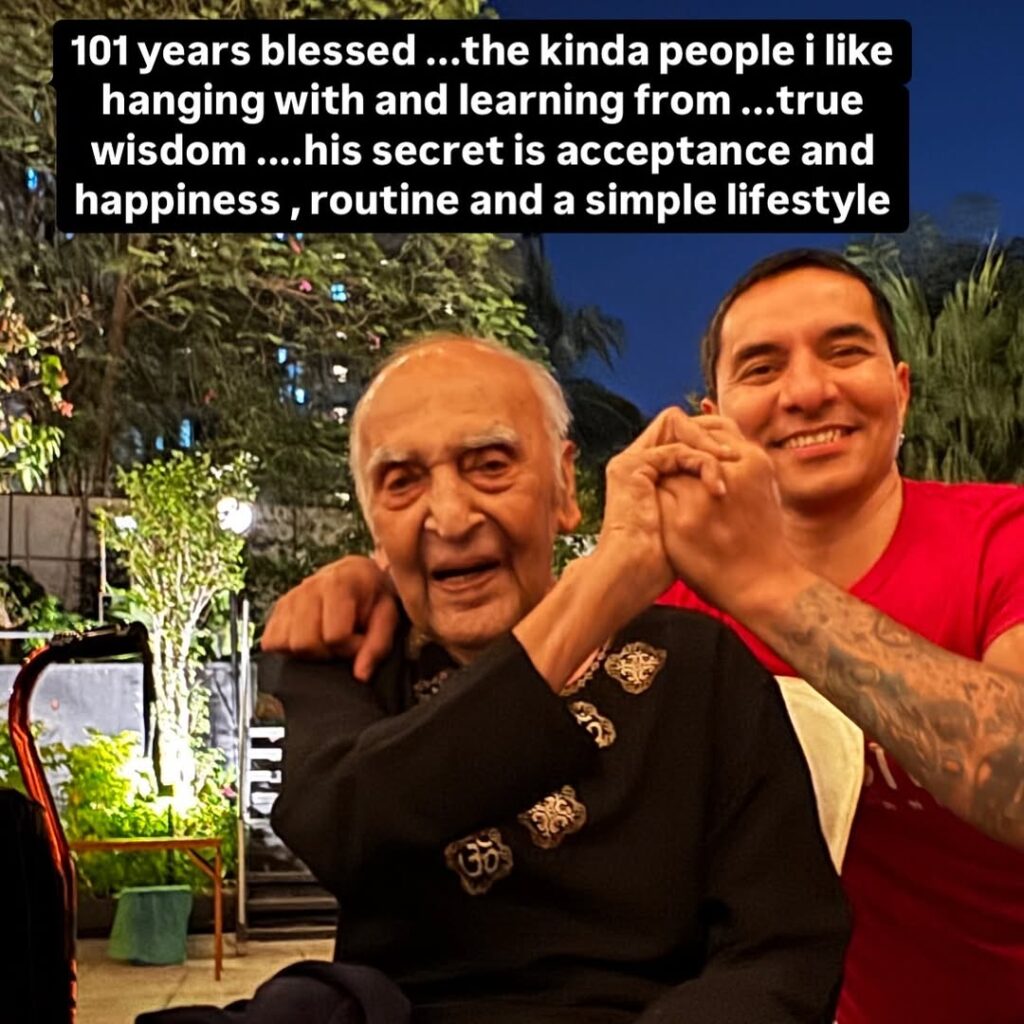
Personally, I find immense inspiration in these extraordinary individuals. They remind me that health and happiness don’t come from complicated diets or punishing workout routines but simple, intentional living. I recently had the privilege of meeting a 102-year-old man whose zest for life left me in awe.
So, what can we learn from them? Let’s explore the powerful lifestyle practices of Blue Zone centenarians, backed by extensive research from Dan Buettner, an explorer, researcher, National Geographic Fellow, and New York Times bestselling author, and discover actionable ways to integrate their secrets into our lives.
What Are Blue Zones? Understanding the Longevity Hotspots of the World
Blue Zones—officially known as the Blue Zones in the world—are regions identified by Dan Buettner and his team for having the highest rates of centenarians and remarkable longevity. His research focused on uncovering the secret of Blue Zone communities and how their lifestyle factors contribute to longevity across generations. These include:
- Okinawa, Japan
- Sardinia, Italy
- Nicoya Peninsula, Costa Rica
- Icaria, Greece
- Loma Linda, California (Seventh-Day Adventist community)
In these areas, people not only live longer but enjoy better health well into their golden years. What’s their secret? It’s not just one thing but a combination of factors—nutrition, movement, community, purpose, and more. By focusing on environment over discipline, Buettner helps us see how longevity is more about sustainable design than fleeting motivation.
Insights from Dan Buettner
During my conversation with Dan, he explained how Blue Zones research aims to ‘reverse-engineer’ longevity. Dan’s discoveries inspired the Netflix documentary Live to 100: Secrets of the Blue Zones.
Today, he’s internationally recognized as The Founder of Blue Zones. By studying populations who naturally achieve long lifespans, his team identified habits and environmental factors that can add up to 10 extra years of healthy life.
Some fascinating points from our discussion:
- The power of purpose: As Dan emphasized, knowing your ‘ikigai’ is a cornerstone of well-being. For him, exploring traditional wisdom and bringing it back to inspire others is his calling—a modern-day hero’s journey.
- Nutritional misconceptions: Critics often misinterpret Blue Zone nutrition, focusing on occasional meat consumption. However, 90-95% of their food comes from plant-based sources.
- Environmental design: Rather than relying on willpower, centenarians design their environments to encourage healthy choices—walking-friendly spaces, family-style meals, and accessible gardens.
When your surroundings promote better choices, healthy lifestyle habits become second nature—and longevity becomes more accessible.
A Tale of Longevity: Maria Branyas Morera
Maria Branyas Morera, who was the world’s oldest living person until her passing in 2024 at the age of 117, left behind a legacy of timeless wisdom and graceful aging. Born in 1907, she lived through two World Wars, a civil war, and a pandemic—yet carried a calm, grounded perspective on life until her final days.
She often credited her longevity to ‘order, tranquility, good connections with family and friends, contact with nature, emotional stability, and a positive outlook.’ These are the daily habits that echo the very essence of Blue Zone living.
Even in her later years, Maria stayed active, mentally and physically. She took daily walks, enjoyed a simple Mediterranean-style diet rich in yogurt, fruits, and vegetables, and stayed connected through social media, sharing insights and reflections that touched people around the world.
What made her story remarkable wasn’t just her age, but how she lived—with dignity, balance, and purpose. Much like the centenarians of Okinawa or Nicoya, Maria reminds us that true longevity is less about defying age and more about embracing life fully—one mindful, intentional day at a time.

Let’s Start with Your Ikigai…
Dan Buettner describes Ikigai as the sense of purpose or the reason you wake up in the morning. For centenarians in Blue Zones, having a clear purpose is a cornerstone of longevity.
- Okinawans call it ‘Ikigai’: A reason to live that drives their daily actions. Studies show that having a sense of purpose can reduce stress and promote longevity. (Kim, E. S., Shiba, K., Boehm, J. K., & Kubzansky, L. D. (2020). Sense of purpose in life and five health behaviors in older adults. Preventive medicine, 139, 106172. https://doi.org/10.1016/j.ypmed.2020.106172)
Practical tip: Reflect on what you love to do, what you’re good at, and what brings value to others. Aligning these elements can help you discover your Ikigai—a powerful tool not only for emotional well-being but also for enhancing your overall longevity.
Simple Healthy Lifestyle Habits You Can Start Today
Once you’ve identified your purpose—your Ikigai—the next step is to bring that intention into your daily routine. One of the most powerful ways to do this is by focusing on healthy lifestyle habits that are sustainable, enjoyable, and aligned with your environment. These habits aren’t about rigid schedules but thoughtful choices—ones that compound over time and lead to lasting vitality.
Here are some healthy lifestyle habits you can begin with—starting right at your next meal.
Eat Plant-Based Foods
The nutrition of Blue Zone populations is predominantly based on plant-based foods, with meals rich in whole ingredients and minimally processed meals, defining characteristics of the Blue Zone diet and the longevity diet. Buettner’s meta-analysis of 155 dietary surveys in these regions highlights the importance of plant-forward eating.
- Beans are the superfood: Lentils, chickpeas, and other legumes are staples, providing protein, fiber, and essential nutrients.
- Meat in moderation: On average, people in Blue Zones eat meat only five times a month, and portions are small.
- Adopt traditional foods: In India, looking at the nutrition of our grandparents can be incredibly insightful. This nutrition, primarily plant-based and focused on whole foods, is aligned with principles found in Blue Zone regions.
- Minimize processed foods: Stay away from highly processed foods and focus on cooking at home. Studies show that eating out, especially in Western countries, often leads to higher calorie consumption and unhealthy additives.
- Celebrate, don’t overindulge: Occasional meat consumption in Blue Zones is tied to celebrations and is sourced ethically, often from animals raised humanely. For everyday nutrition, a predominantly plant-based approach is ideal.
Following the Blue Zone diet and embracing plant-based foods can significantly reduce inflammation, improve gut health, and support sustainable longevity.
Practical tip: Incorporate beans, sweet potatoes, and seasonal vegetables into your meals. Limit processed foods and red meat.
Adopt ‘The 80% Rule’
Okinawans follow the Hara Hachi Bu principle, stopping eating when they feel 80% full. This helps prevent overeating and maintains a healthy weight.
- Scientific evidence: Studies link calorie restriction with increased lifespan and reduced risk of chronic diseases.
This practice is not only rooted in tradition but also aligned with modern science that supports healthy lifestyle habits for better longevity.
Practical tip: Eat mindfully, savor each bite, and pay attention to your body’s signals of fullness.
Drink Moderately and Socially
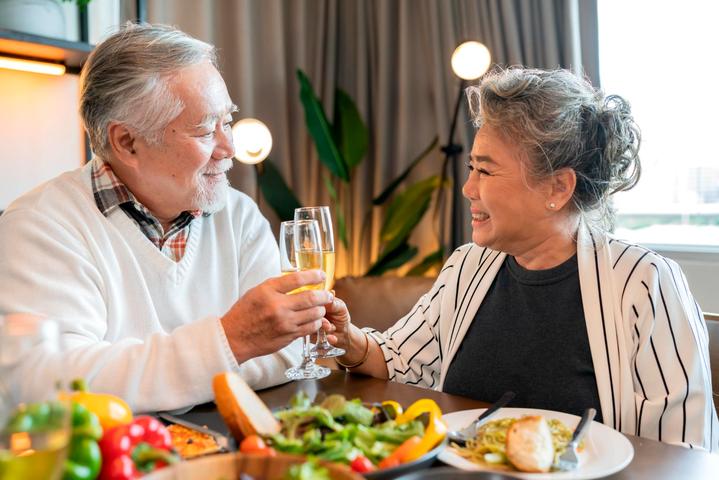
While alcohol is not essential for longevity, moderate consumption, especially of wine, is common in some Blue Zones.
- Red wine in Sardinia: Polyphenols in red wine may have heart-protective properties.
As seen in Blue Zones, drinking in moderation as part of social and cultural rituals may play a role in their healthy lifestyle habits and contribute to their longevity. Does this mean you need to drink to live longer? No.
Practical tip: If you drink, do so in moderation and as part of a meal with friends or family.
Move Naturally Throughout the Day
Centenarians don’t follow structured exercise routines or gym regimens. Instead, they incorporate natural movement into their daily lives.
- Incorporate movement naturally: Unlike gym workouts, Blue Zone residents incorporate physical activity into daily life—walking, gardening, and household chores. Activities like tending to gardens or walking up hills ensure they’re moving throughout the day. This constant movement is more sustainable and reflective of human evolution.
- Beware of sedentary habits: The modern approach of compensating for a sedentary lifestyle with an hour in the gym doesn’t work. Instead, aim for consistent activity throughout the day.
- Reconnect with traditional practices: In India, traditional activities like yoga, trekking, and manual labor were once common and contributed to healthier lifestyles. Embracing these can bridge the gap between modern conveniences and ancestral wisdom.
Practical tip: Opt for walking instead of driving, take the stairs, or engage in a hobby like gardening.
Sleep Well and Consistently
Restorative sleep is a key aspect of Blue Zone lifestyles.
- Prioritize natural rhythms: In Blue Zones, people align their sleep patterns with the sun. They work during the day, rest at night, and often take short naps, contributing to lower rates of cardiovascular disease and sharper mental faculties. Reset your circadian rhythm in a smart way.
- Eight hours is ideal: Aim for at least eight hours of sleep daily. Incorporating a short 20-minute nap can also have restorative effects.
Practical tip: Aim for 7-8 hours of quality sleep by maintaining a consistent bedtime and limiting screen time before bed.
Downshift to Manage Stress
Stress is unavoidable, but managing it well is one of the secrets of Blue Zone communities that has a measurable impact on longevity. Blue Zone populations practice daily rituals to reduce stress and promote relaxation.
- Meditation and prayer: Ikarians and Sardinians practice daily reflection.
- Nap time: Many Nicoyans take short naps to recharge.
- Reconnect with nature: Spending time in nature, whether through walks or simply observing the environment, promotes mental well-being.
Practical tip: Dedicate a few minutes each day to mindfulness, journaling, or stretching.
Build Strong Social Connections for A Longevity-Friendly Environment
Centenarians enjoy close-knit communities that provide emotional support and a sense of belonging. This contributes to mental well-being and longevity.
- Build social networks: Emotional health is deeply tied to a sense of community. Blue Zone residents maintain strong family ties, engage with neighbors, and invest in friendships. A strong social network can extend life expectancy by years.
- Moais in Okinawa: Small groups of lifelong friends offer mutual support.
- Belong to something bigger: Whether through faith-based communities or cultural traditions, having a sense of belonging alleviates stress and loneliness.
- Invest in the family: Keeping aging parents nearby, nurturing spousal relationships, and connecting with children not only benefits them but also adds years to your life.
Practical tip: Nurture your relationships with family and friends. Join a community group or start a new hobby to meet like-minded people. If you are unable to find one, join Sangha — Our community of holistic health, love, peace, and abundance.

Buettner also emphasizes the importance of environmental design in fostering healthy habits. Blue Zone residents naturally make better choices because their environments support them.
- Walkable communities: Easy access to nature and walking paths encourages movement.
Practical tip: Declutter your kitchen to prioritize healthy food choices. Arrange your home to make physical activity easy and enjoyable.
Longevity FAQs: Your Questions Answered
Q1: What is the biggest secret to longevity?
A: There’s no single secret. Longevity is the result of several healthy lifestyle habits—natural movement, plant-based foods, social connection, and purpose.
Q2: What are some easy-to-start healthy lifestyle habits for beginners?
A: Start small. Walk more, reduce screen time, eat whole foods, go to bed earlier, and take time to connect with loved ones. These simple yet effective healthy lifestyle habits can have a profound impact over time.
Q3: Can I follow the Blue Zone diet in India?
A: Absolutely. Focus on whole, seasonal, plant-based foods like lentils, vegetables, fruits, and grains—just like our grandparents did.
Q4: Is meat completely avoided in Blue Zones?
A: No. Meat is consumed occasionally (around five times a month) and in small portions, often during celebrations.
Q5: How important is sleep for longevity?
A: Very. Quality sleep helps regulate hormones, support immune function, and reduce chronic disease risk.
Q6: Are healthy lifestyle habits more important than genetics?
A: Genetics plays a role, but research shows that lifestyle contributes significantly more to longevity. In fact, studies suggest that genetics only accounts for 20–30% of lifespan. The rest is influenced by our daily routines and environment, which is why healthy lifestyle habits are so essential.
Q7: How can I find my Ikigai or purpose?
A: Reflect on what you love, what you’re good at, and how you can serve others. Aligning these elements helps you discover your purpose.
The Last Word…
The lifestyle habits of centenarians in Blue Zones provide us with a blueprint for healthy aging.
So, why not start integrating these habits into your daily routine today? After all, longevity is not just about living longer—it’s about living better.
With the right support, intentional healthy lifestyle habits, and personalized guidance, achieving longevity is not just a dream—it’s within reach.
Who says you can’t live to 100 and love every minute of it? Now, YOU can!
Also Watch This Video:
Ready to start living a longer, healthier, and more fulfilling life?
We’re here to help YOU find a way.
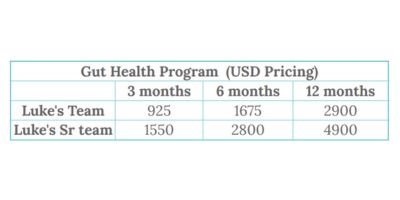
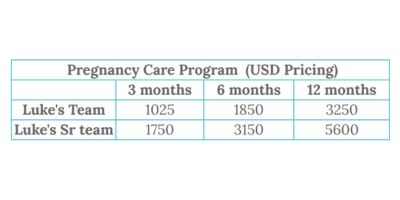
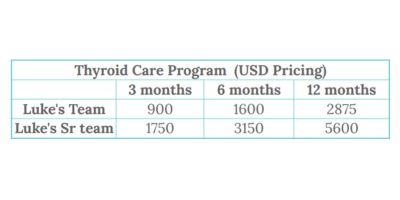
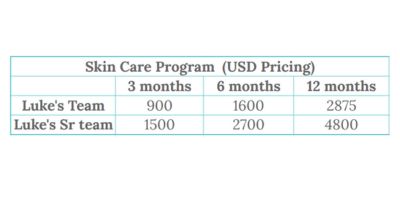
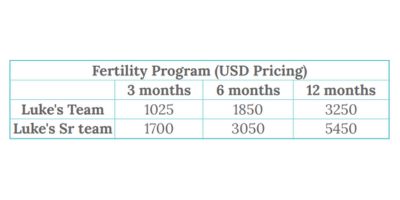
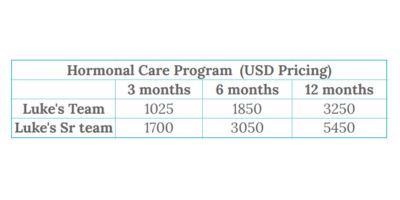
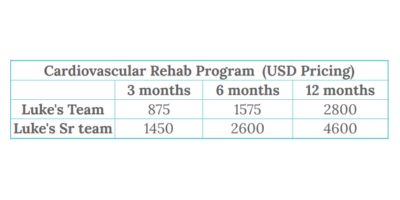
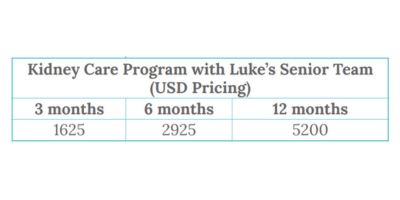
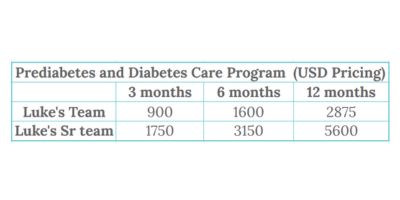
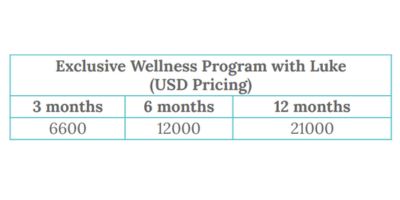
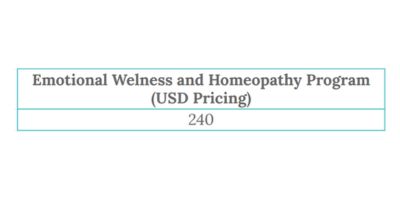
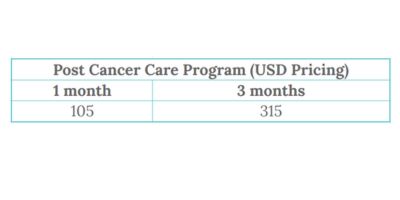
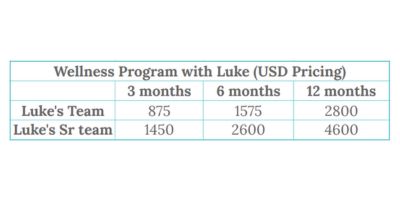
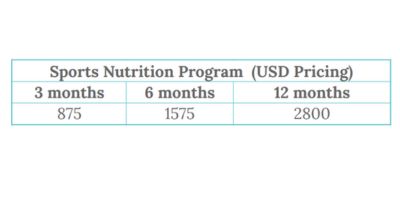
Set up a one-on-one consultation with our integrative team or enroll in our specialized Wellness Programs for personalized solutions.
Reach out to us at 1800 102 0253 or write to us at [email protected].

Start Your Wellness Journey
Feeling inspired to take the next step in your wellness journey? Connect with us to explore how our tailored programs can support your health journey. Your transformation is just a conversation away.